State Of Hospitality Wellness: Why Hotels Must Rethink Their Operating Model
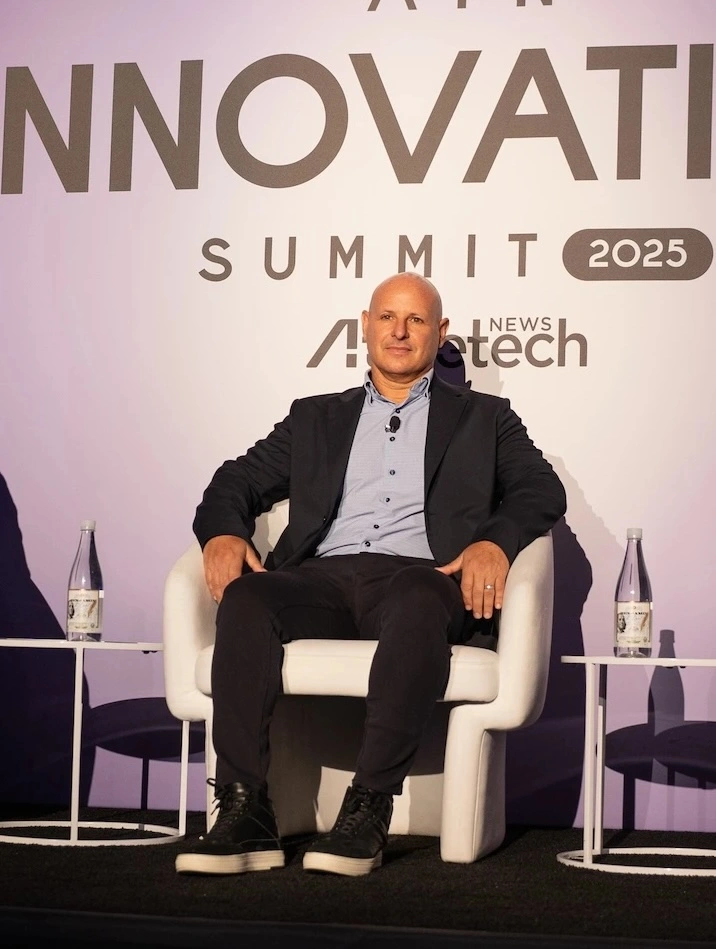
Wellness expectations have outpaced traditional hospitality practices. ILHA President Barak Hirschowitz explains how traveler behavior has changed — and why hotels must rethink experience, partnerships and operations to stay competitive.
Travel has entered a new era — one where wellness isn’t a perk, but an expectation. Today’s guests don’t just hope a hotel will support their routines; they demand it. They bring with them structured fitness habits, wellness rituals, longevity goals and a desire for seamless experiences. And increasingly, they judge a property by how well it supports the lifestyle they have in place.
Few people have watched this shift unfold as closely as Barak Hirschowitz, President of the International Luxury Hotel Association. In this conversation, he breaks down the forces reshaping hospitality, why wellness has become a defining pillar of guest loyalty and what hotels must do to keep pace with a rapidly evolving traveler.
Athletech News: What are a hotel’s biggest challenges when it comes to creating wellness spaces and keeping them current?
Barak Hirschowitz: Our biggest challenge is that the guest has evolved, but the hotel industry, by and large, has not. Post-COVID, there has been a global wellness awakening. We are no longer catering to guests who just want to stay healthy; we are catering to guests who are high-performance. They belong to premium fitness clubs, they take multiple classes a week, they train for marathons, and they are deep into longevity practices like saunas and red-light therapy.
For them, the hotel industry often becomes a roadblock. Their comprehensive gym and class schedule is interrupted by small, poorly equipped gyms and a lack of classes. The challenge is that we are fundamentally a real estate industry. Fitness technology advances rapidly, and the capital expenditure to constantly upgrade is significant.
Compounding this is an issue of expertise: most hoteliers are experts in hospitality, not in fitness science or gym layout. The central challenge is shifting our mindset. A high-quality gym is no longer just an amenity; it’s a core expectation — just like high-speed Wi-Fi or a comfortable bed.
ATN: How do hotels typically select equipment and technology brands to work with?
BH: We’ve really moved from a procurement model to a partnership model. We rely heavily on our partners for their deep expertise. We don’t just look for vendors to sell us equipment; we look for consultants who can guide us on layout, technology, and trends.
This process involves a couple of key areas. First is the on-property experience. This means partnering with best-in-class equipment brands, like Matrix or Life Fitness, and integrating technology like on-demand classes, because guests in luxury properties especially love to discover new wellness tech.
Second, we’re looking at hybrid and off-property solutions. We are forming innovative partnerships with brands like Purpose Brands, which represents Orangetheory and Anytime Fitness. This allows us to offer our guests seamless access to high-end local studios if our on-site gym doesn’t meet their needs. And I think this is the future: it also opens the door to bringing a full-scale, franchised gym into the hotel. This is a brilliant model because it not only serves the guest but also brings in the local community, creating the authentic, high-energy fitness environment that modern travelers are actually looking for.
ATN: Do hotel operators prefer a consultative or prescriptive approach from these partners?
BH: Oh, absolutely consultative. It’s a critical mistake for a hotelier to be prescriptive. Very few of us in the hospitality industry truly understand the nuances of the fitness world. Our expertise is running hotels. We must rely on our wellness and fitness partners to be the experts. They have a global view of the entire fitness industry — not just what’s happening in hotels — and they know what trends are coming. Our job is to understand our guest profile and property, and their job is to provide the expert, consultative solution to match it.
ATN: How do fitness and wellness needs from a hospitality operations perspective differ from those of traditional gyms or studios?
BH: That’s the core of the issue: they don’t differ at all. The modern traveler is the traditional gym member. The problem is that the hotel industry has historically failed to recognize this. We’ve fallen behind. Guests expect the exact same high-quality, high-energy experience they get at their home gym to continue when they travel.
Our organization, the International Luxury Hotel Association, has been actively guiding our members to bridge this gap. We are urging hotels to seek partnerships with top-tier fitness brands to bring our offerings up to the standard our guests now demand. While there are some incredibly innovative hotels leading the way, most of the industry is playing catch-up.
ATN: How frequently do most hotels re-evaluate or refresh their fitness offerings, and what typically triggers an update?
BH: Historically — and unfortunately — it’s only during a new build or a major, property-wide renovation. And that is not good enough. The offerings at most hotels are not up to standard with what travelers have access to where they live.
The trigger should be guest feedback, but many hotels aren’t listening. Guests are speaking either very loudly with their negative reviews, or even worse, very quietly by simply booking with a competitor. As an industry, we are not fitness experts, and we never will be. The only way to stay current is to leverage the expertise of our fitness and wellness suppliers.
I have told many a hotel general manager: if I walk into your hotel gym and see a bowl of apples and a water cooler with paper cone cups, it’s obvious you have only done the bare minimum. That standard is no longer acceptable. We have to ensure our guests leave as healthy — if not healthier — than when they arrived.
The post State of Hospitality Wellness: Why Hotels Must Rethink Their Operating Model appeared first on Athletech News.
Popular Products
-
 Photochromic UV400 Sports Glasses
$78.99$54.78 -
 Hip Trainer with 39 Gears
$98.99$68.78 -
 Arm Resistance Bands for Baseball & S...
$64.99$44.78 -
 Portable Badminton Set with Bag & 3 B...
$64.99$44.78 -
 Soft Practice Balls - Indoor Outdoor
$37.99$25.78