Election Denialism Is All But Dead
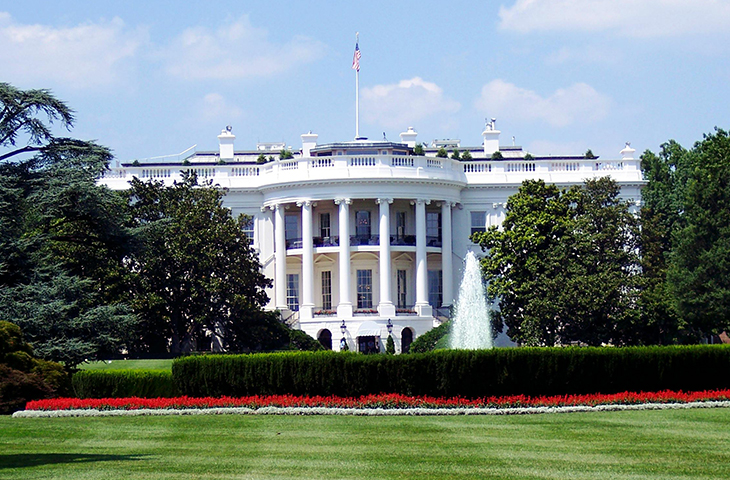
Out of all the surprises of the 2026 midterm election, among the most heartening was Donald Trump’s willingness to accept the results. “We’ll probably work something out,” he told The New York Times of the incoming Democratic majority in Congress. The next day, he walked the press around the site of the planned White House ballroom, less interested in battling over the election than showing off his construction project.
This newfound tranquility did not last: In the weeks since the midterms, Trump has begun sharing posts on his Truth Social feed casting doubt on the integrity of the vote. “Does anybody really believe that this ‘Election’ was honest. How could the Polls be so wrong???” he asked on November 9. But a few stray posts on a bespoke social-media site are trifling compared with the aggressive campaign of propaganda, litigation, and brute force that Trump used to attempt to subvert the 2020 presidential vote. Six years after Trump launched the election-denialist movement, the Big Lie of election fraud might finally be ebbing as a defining force in American politics.
More Politics stories