Canine Hip Dysplasia: Symptoms And Treatment
Understand the causes, symptoms, diagnosis, and treatment options for canine hip dysplasia, plus ways to improve your dog’s comfort and mobility. Canine hip dysplasia affects dogs of all shapes and sizes. Over time, it can severely impact a dog’s quality of life. But early intervention, proper management, and advancements in veterinary medicine means affected dogs can lead long, happy, comfortable lives.
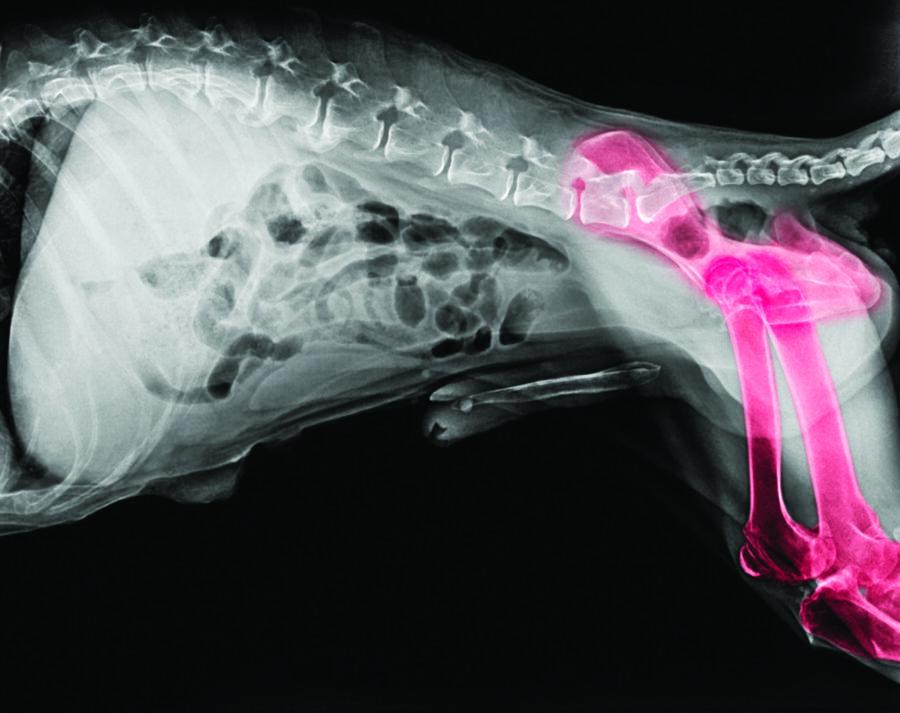
What causes hip dysplasia? Canine hip dysplasia (CHD) is a developmental orthopedic condition of the coxofemoral (hip) joint. Interestingly, dogs with canine hip dysplasia start life with normal hips. As they grow, however, the joint develops abnormally.
The hip is a ball-and-socket joint. It includes the head of the femur (the ball) and the acetabulum (the socket). These should grow at the same rate and fit together snugly. In dogs with dysplasia, these parts do not fit together properly. This misalignment leads to joint looseness or laxity.