How Pegasus, Discovery, Grace Management Preserve Memory Care Residents’ Cognitive Skills
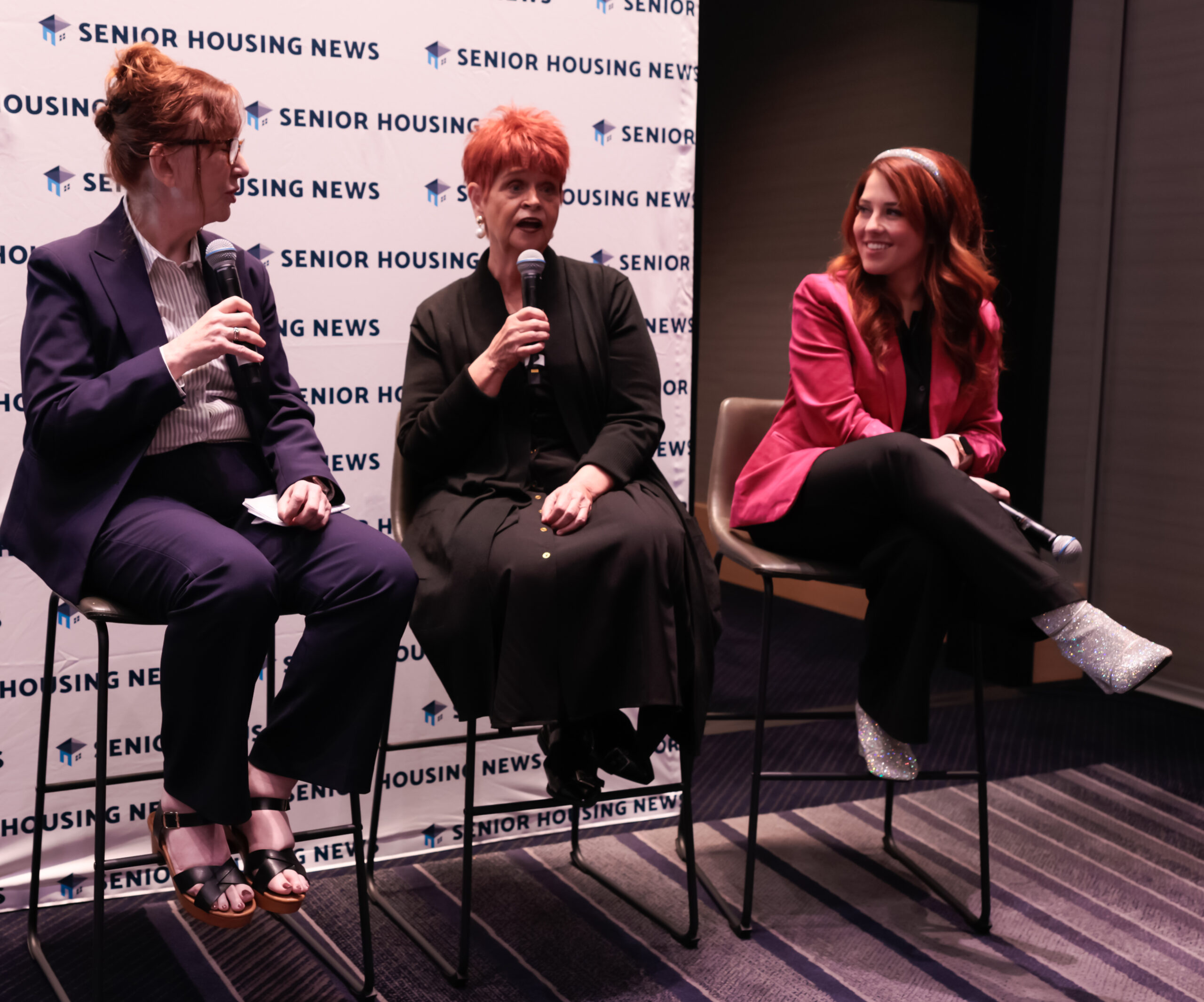
Memory care operators are embracing person-centered and research-backed approaches with an eye on serving more unique care needs.
From neuroplasticity, enhanced training for staff and occupational profiling through resident life stories, senior living operators are specializing and deepening their services in 2025 to keep residents living with dementia well and engaged, and to better help manage their diagnosis.
Pegasus Senior Living’s Connection program supports memory care residents by encouraging socialization and stimulating the brain and body with exercise and education, with a core foundation built on connection, moving and learning for residents.
Dallas-based Pegasus also is implementing intergenerational activities into its memory care programming. Another operator, Discovery Senior Living, is working on a therapeutic cognitive reserve program and exploring the practice of legacy preservation, where staffers spend time with residents and encourage them to reminisce about their lives.
Grace Management checks with residents and their families in the first 90 days after move-in in order to make the process easier mentally and emotionally.
What these operators achieve in memory care may well blaze a trail for other senior living operators that don’t specialize their services for people living with dementia. As many as 40% of assisted living residents are living with some form of dementia or cognitive impairment, according to a 2024 analysis from the American Health Care Association and the National Center for Assisted Living, indicating a need for such services even outside of traditional memory care wings.
Maintaining, regaining cognitive skills
Dementia currently has no cure, but operators including Pegasus, Discovery Senior Living and Grace Management are implementing practices that could help slow its progression.
Pegasus’ Connections program begins with staff spending up to 30 minutes with residents listening to music or reading poetry. Caregivers also lead residents through physical exercises such as boxing and walking.
“[They] help people not only maintain the skills they have, but hopefully regain some,” said Dr. Sandra Petersen, senior vice president of health and wellness at Pegasus, who spoke at the Senior Housing News BRAIN conference in early November. “Once the brain is revved up, so to speak, we use the ‘learn’ process to help them with skills they may have not used in a while, or to help them rebuild synapses.”
Petersen implemented the ‘learn process’ following her own experience and recovery from multiple strokes, and as a clinician she thought it could help residents with dementia stay ahead of the damage. Petersen said that anecdotal and scientific research showing those outcomes lends evidence for her methods.
Discovery follows a similar approach to Pegasus’ Connections program that starts with connecting through music while incorporating opportunities for residents to continue learning throughout the day.
“It’s really been incredible what we have seen in our residents, and the cognitive reserve that they’re able to maintain when they have that structure,” Platt said. “Of course, we do connect new memories to old memories, which is just a very powerful way to enhance cognitive reserve.”
While Grace Management’s program doesn’t have specific steps, it does center programming on four pillars of engagement: purpose, curiosity, creativity and fun, according to Ashlea Smalley, national director of memory care and life enrichment. Personalized activities and enrichment for residents includes reflecting on past accomplishments and highlighting successes they experience in the moment.
“It’s the experience of actually doing that learning, which we know supports neuroplasticity in our residents and helps support engagement in all these other pillars,” Smalley said.
Keeping residents grounded
In addition to meeting residents’ cognitive needs, all three operators are keeping them emotionally grounded by fostering new connections with people of different ages and chronicling the personal details and stories that make those residents unique and human.
Pegasus is on a small basis for now working with surrounding community and private schools, as well as groups such as Scouting America and Girl Scouts, to either interact or lead activities with residents. Residents are not only isolated from peers, they are also isolated from people of different ages that could enrich their lives, Petersen said.
“Just to see the light in the eyes of someone who gets to hold a baby who maybe hasn’t held a grandbaby in a lot of years is worth everything,” she added.
Discovery trains staff to preserve resident legacies by talking with them and reminiscing four days per week alongside the cognitive activities that help the operator keep residents from experiencing a “fast fade”” with regard to their cognitive decline.
“They don’t want to see mom decline very, very rapidly,” Platt said. “Maintaining that cognitive level instead of that very quick downhill slide is critical, and we have seen historically, over the years, that that is possible.”
Grace Management is taking a similar approach by conducting regular check-ins during a resident’s first 90 days. Grace Management also surveys residents to understand what they want or are not getting in their new homes. Already that process has informed some community-level changes at Grace Management.
“We don’t ask our residents enough, what they want, what they like, how they’re doing, because we make assumptions that, because they have dementia, they can’t tell us,” she said.
The post How Pegasus, Discovery, Grace Management Preserve Memory Care Residents’ Cognitive Skills appeared first on Senior Housing News.
Popular Products
-
 Adjustable Shower Chair Seat
$107.56$53.78 -
 Foldable Toilet Grab Bar
$357.99$249.78 -
 Heated Massage Recliner Lounge Chair
$641.99$383.78 -
 Ergonomic Mesh Reclining Gaming Chair
$291.99$203.78 -
 Executive Office Desk Set
$601.99$359.78