World Health Organization Issues First-ever Guidelines For Use Of Glp-1 Weight Loss Medications
Globally, more than 1 billion people currently live with obesity.
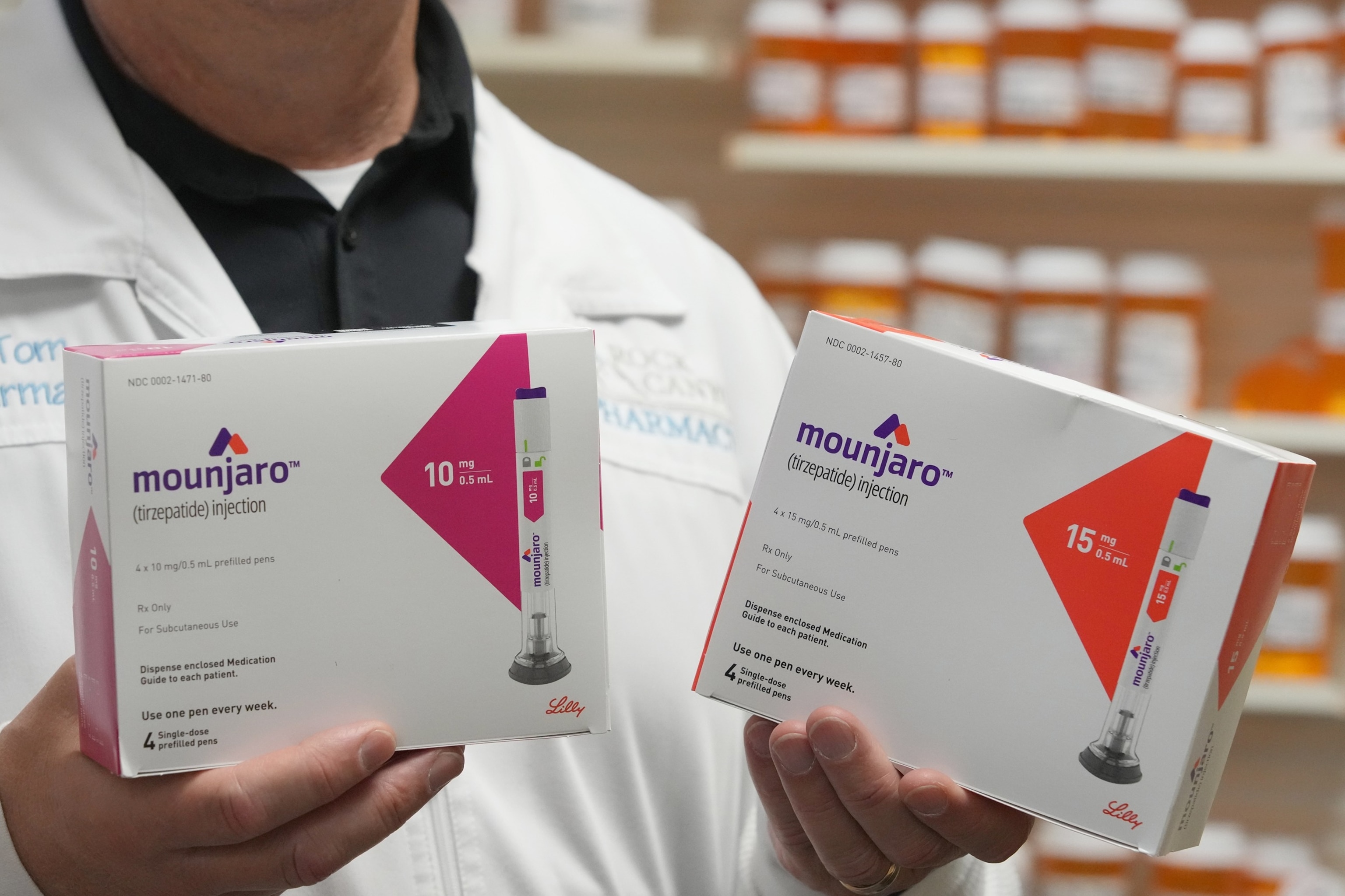
The World Health Organization on Monday released new guidance on GLP-1 medications for adults with obesity, recommending their long-term, continuous use when clinically appropriate. The medications covered include semaglutide (Wegovy), liraglutide (Saxenda) and tirzepatide (Zepbound).
The recommendations, published in the medical journal JAMA, emphasize that these medications alone are not a solution to treating the global obesity epidemic. Obesity is a chronic disease that needs lifelong care and is best treated with long-term GLP-1 use combined with a structured program that includes healthy eating, regular movement and ongoing counseling to lose and maintain weight loss, according to the WHO.
“It signals that treating obesity early -- as a chronic disease that deserves lifelong care -- is finally moving into the mainstream of health care,” Dr. Louis Arrone, director of the Comprehensive Weight Control Center at Weill Cornell Medicine, told ABC News.
The guidance also highlights major hurdles, including high cost, limited supply and uneven access around the world. The WHO has urged countries to build fair and affordable pathways so people with the highest medical need receive treatment first.
The guidelines underscore that these medications should be chosen in the right context and in the right conditions.
The medicines often make it easier for people to follow eating recommendations because hunger drops and food feels more neutral, Arrone explained. Many patients tell him they can finally stick with healthier eating patterns because they feel full sooner and no longer feel driven to eat certain foods.
Arrone, who has led numerous clinical studies on GLP-1 medications and other obesity treatments, also emphasized the need for resistance training to protect muscle mass during weight loss because muscle loss happens more often when people eat very little and lose weight fast.
“Medicines work best when they go hand in hand with changes in eating habits and daily behaviors," Arrone said. "When hunger is reduced, people finally feel able to follow the healthy steps they were told to take for years.”



Globally, more than 1 billion people currently live with obesity, a number projected to reach 2 billion by 2030. The WHO noted that its future guidelines will focus on how to identify and prioritize individuals with the greatest need.
The WHO also recommended that member countries "reboot" their approaches to obesity care, i.e., improving prevention, treatment and systems-level capacity to address a rapidly growing public-health crisis.
“This signals a shift in thinking unlike anything we’ve seen in a generation — a move toward treating obesity first, rather than waiting for people to develop the many complications that follow,” Arrone said.
Meredith Montgomery, MD, is a board-certified pediatrician, a second-year pediatric emergency medicine fellow at Monroe Carell Jr. Children's Hospital at Vanderbilt and a member of the ABC News Medical Unit.
Popular Products
-
 Gut Health Colon Cleanse
$33.99$22.78 -
 Calcium, Vitamin D3 & Zinc Supplement
$43.99$29.78 -
 Prime Plus Heated Massage Gun
$967.99$578.78 -
 Candida Complex with Probiotics & Ore...
$43.99$90.78 -
 Vitamin C & Zinc Supplement to Boost ...
$41.99$28.78