What Is ‘intergenerational Trauma’? A Social Worker Explains How One Generation’s Experiences Can Affect Descendants
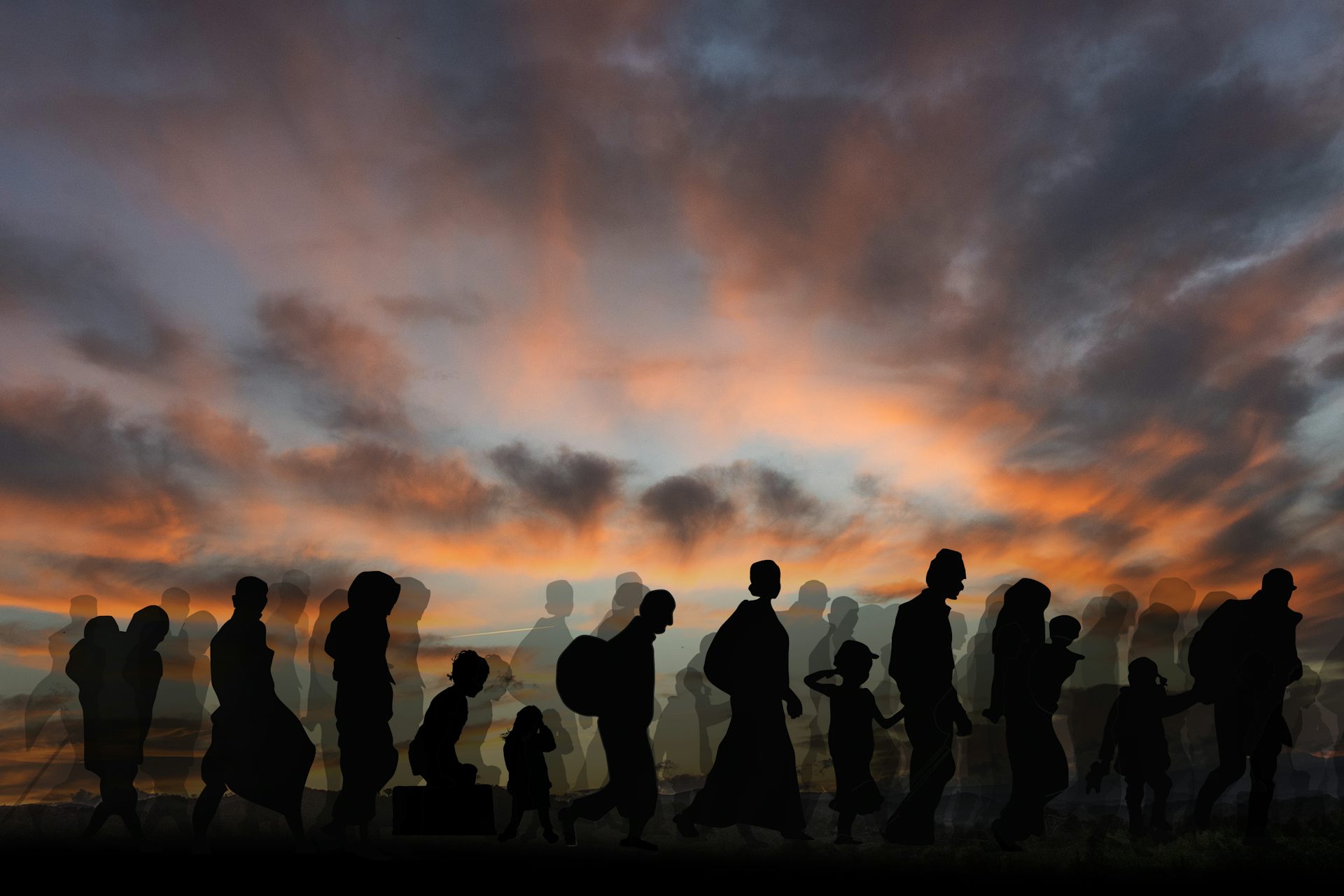
Consequences of traumatic experiences, such as becoming a refugee, can reverberate across future generations. linephoto/iStock via Getty Images PlusThroughout history, millions of people have experienced widespread violence, persecution and loss. During the Holocaust, 6 million Jewish people were murdered. Beginning in 1619 and through the mid-1800s, 12.5 million African people were forced onto ships during the trans-Atlantic slave trade. These are just two examples of many that have affected communities in ways that last long after the initial experiences.
Such traumas can have lasting consequences for a person’s physical and mental health. Yet, these effects may extend beyond those directly affected. Some can change the psychological, emotional and social well-being of a person’s children and grandchildren.
This phenomenon, known as “intergenerational trauma,” describes how the effects of trauma can extend across generations. This can occur even when descendants have not experienced the original events.