What Doctors, Aid Workers Say Is Needed To Meaningfully Treat The Malnutrition Crisis In Gaza Amid A Fragile Ceasefire
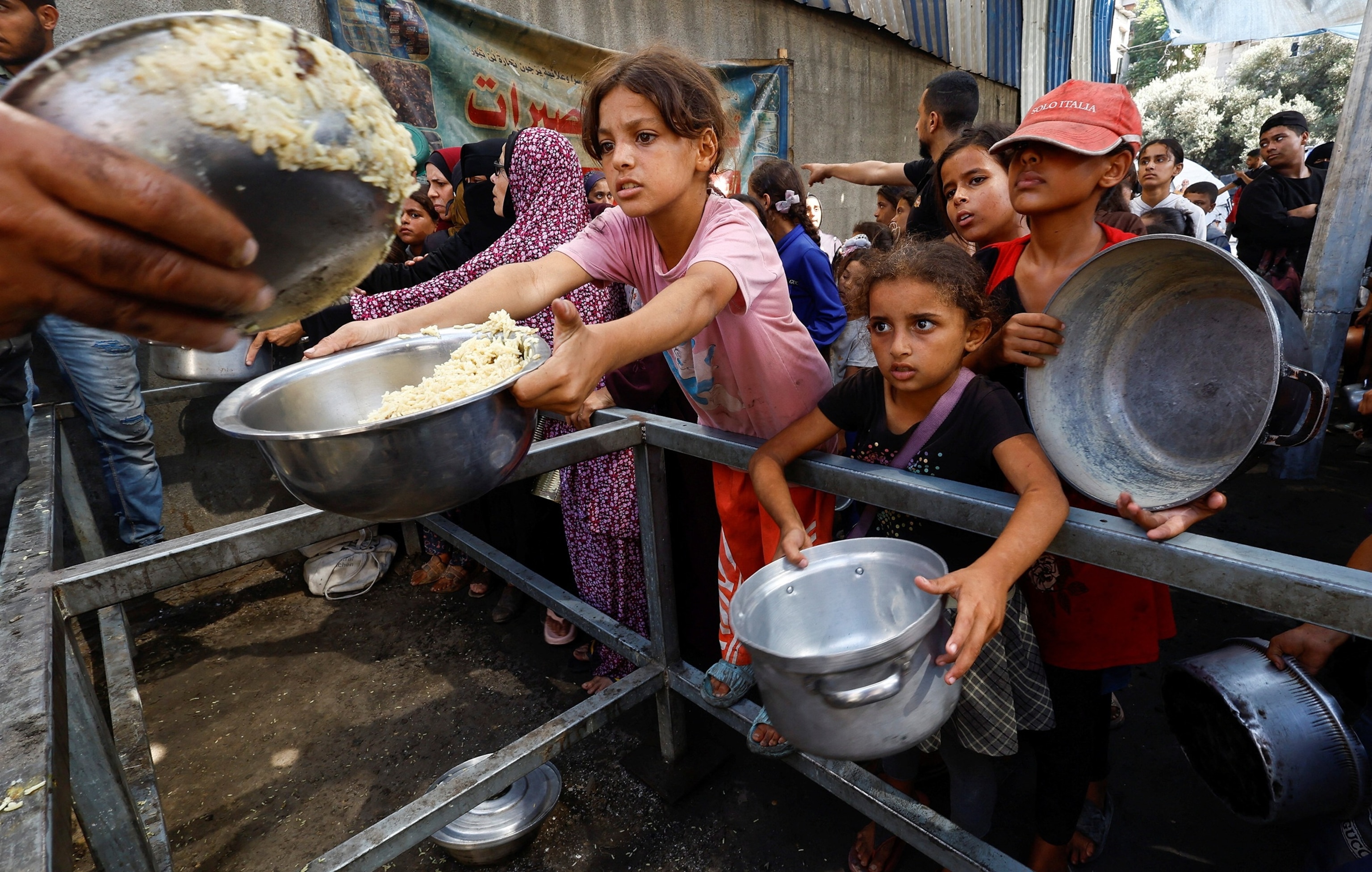
As conversations continue around Gaza's reconstruction amid the fragile Israel-Hamas ceasefire, doctors and humanitarian workers are urging that efforts be focused on addressing the malnutrition crisis, noting that simply flooding the zone with aid won't make a meaningful dent.
More than 54,600 children in Gaza are acutely malnourished, with 12,800 of them suffering from severe acute malnutrition as of Aug. 2025, according to a study conducted by the U.N. Relief and Works Agency for Palestine Refugees in the Near East (UNRWA) and the Johns Hopkins Bloomberg School of Public Health.
Additionally, about 58,000 pregnant and breastfeeding women in Gaza are suffering from acute malnutrition, according to estimates from the World Food Programme (WFP).
While the number of aid trucks has increased, humanitarian workers and doctors say it's not the right kind of aid to treat the malnutrition crisis.
Severely malnourished patients need to receive special types of feeding with high-quality, therapeutic food to ensure they are gaining weight safely, doctors said.
Additionally, aid staff say setting up health infrastructure as well as providing psychosocial support services will be needed to help Gazans recover.
"I think in many people's minds, 'Great, you hit a ceasefire moment. You flood the whole market with foodstuffs and the problem is done,'" Joseph Belliveau, executive director of the humanitarian organization MedGlobal, told ABC News.
"That would have been what was required a year ago, even right after the first ceasefire in March," he continued. "But when it comes to the malnourished, and especially the severely malnourished, their bodies are not ready to just have a whole bunch of calories and then recover from that. They need the right kind of food."
Getting in nutrient-dense food
An aid worker with the humanitarian NGO Mercy Corps -- who works in Gaza and asked not to be named due to security concerns -- told ABC News they've seen more commercial goods enter Gaza recently.
However, they said the goods were calorically high but not nutritionally dense, including cereal, biscuits, pretzels, cocoa spreads and soda.
"When you see a person suffering from malnutrition or even just suffering from severe food insecurity, calories alone are not going to meet their immediate needs," the worker said. "So, when you're looking at someone whose body has been deprived of all nutrients, Nutella might satiate them for an afternoon, but it does not replace the nutrients that they've been deprived of. ... You actually need quite specific nutritionally balanced items to come in."
The worker said that Mercy Corps has nutritionally balanced food kits that meet the protein, carbohydrate and fat needs of each person per day.
In addition to getting calorically high and nutrient-dense whole foods such as fruits and vegetables, acutely malnourished people need therapeutic food.
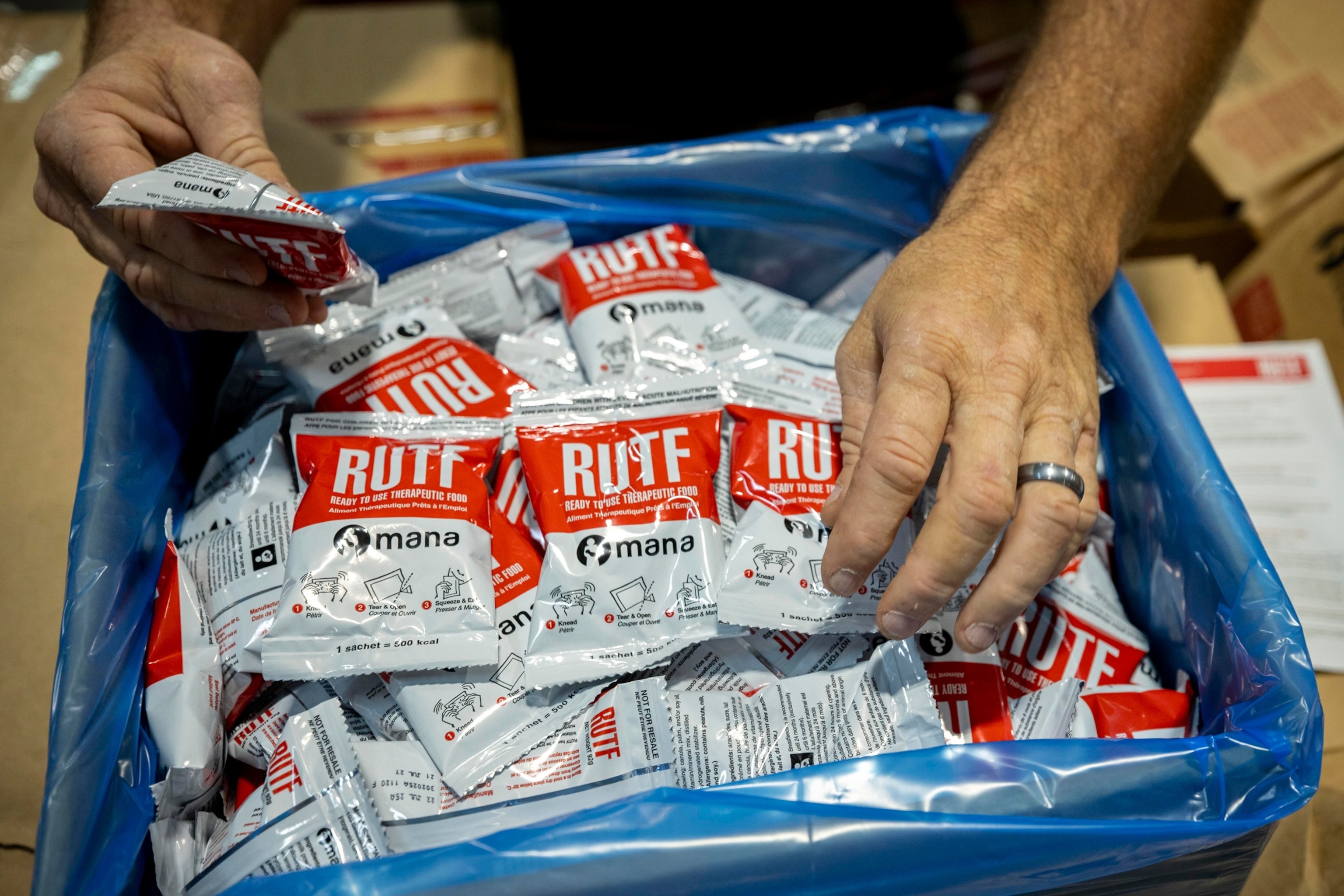
UNICEF is providing several malnourished children in Gaza with ready-to-use therapeutic food (RUTF), while pregnant and breastfeeding women are receiving lipid-based Nutrient Supplements (LNS), mostly through WFP.
RUTF is a high-energy, nutrient-dense edible paste made from powdered milk, peanuts, butter, sugar and vegetable oil along with vitamins and minerals, which is used to treat severe acute malnutrition. Children can eat it directly from the packet and it can help them gain weight quickly, according to UNICEF.
Similarly, LNS is a food supplement, often in paste form, that is fortified with vitamins and minerals while also providing energy, protein and essential fatty acids.
Belliveau explained that these formulations are high in micronutrients and allow malnourished patients to absorb them easily.
He added that it's important when therapeutic food is being administered to do so in a paced manner.


"It's not just about the most that you can give them. You need to kind of pace it," he said. "The body is not able to absorb that type of food too fast and it will not absorb the nutrients, and it can cause harm."
Building necessary infrastructure
Doctors and aid workers told ABC News it is important to have the infrastructure in place to help Gaza recover from the malnutrition crisis.
This includes setting up nutritional clinics where treatment can be given to severely malnourished patients, as is being done with organizations like UNICEF.
It also allows any hospitals in Gaza that are still partially functioning to focus on treating patients who are wounded or have other ailments.
"You can create nutritional stabilization centers, and it's where you can specialize delivery of care for this problem without burdening the health care system. Without having an influx of people who are walking around in emergency departments looking for help," Dr. Thaer Ahmad, an emergency medicine physician and board member of the Palestinian American Medical Association, told ABC News.
Ahmad, who has served medical missions in Gaza during the war, said that having these centers up and running throughout the strip will require ramping up the amount of building materials entering Gaza, as well as access to clean water and sanitation.
Another aspect of addressing the malnutrition crisis is getting the private sector, such as bakeries, back up and running, according to Antoine Renard, country director for the WFP in Palestine
Renard told ABC News that there are six bakeries baking bread in Gaza City, located in the northern part of the strip, as of Thursday, and they will reopen on Friday.
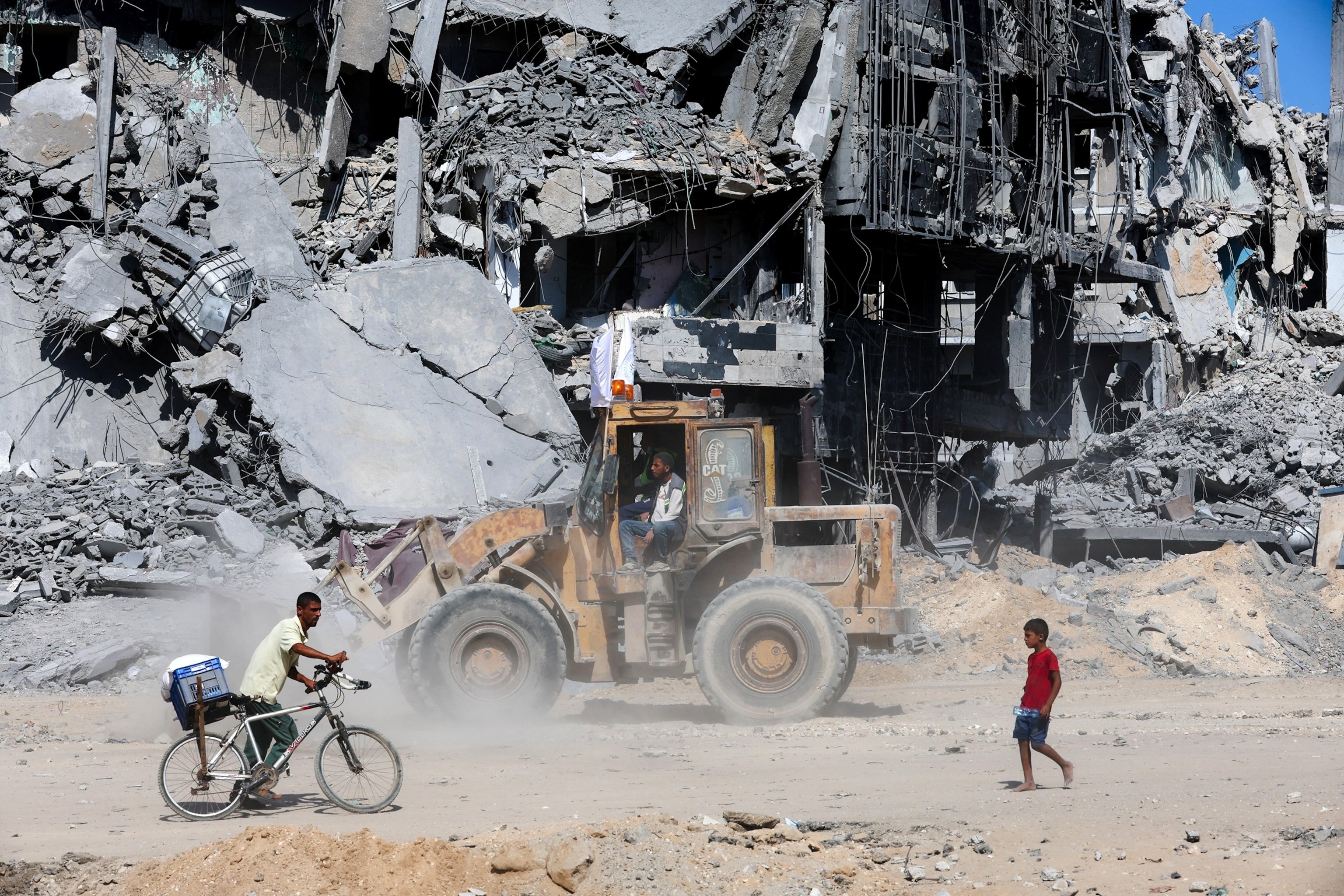
"Bread in the Middle East is clearly a sign of life," he said. "These bakeries are private sector, but what we do is that we are subsidizing the whole production, meaning we provide the wheat flour that is fortified, we provide the yeast, we provide the fuel to make sure that they can be up and running and so like that, they have all the ingredients for the time being, coming from the World Food Programme."
Renard said the WFP's aim is to have 30 industrial bakeries up and running across the strip that would be able to supply at least one loaf of bread for every single person in Gaza.
Providing psychosocial support
Doctors and aid workers told ABC News that psychosocial support is also needed to help Gazans, and particularly children, recover from malnutrition.
The WHO's "Guidelines for the inpatient treatment of severely malnourished children" recommend sensory stimulation and emotional support due to delayed mental and behavioral development.
Examples include play therapy for 15 to 30 minutes a day, providing a cheerful environment, getting the child involved in physical activity as soon as they are well enough and maternal involvement when possible, including feeding, bathing and comforting.
"When it comes to babies and young children, they need to be nurtured back to health again," Belliveau said. "It's not just give them a bag of flour, and we're done and let's move on. They need that kind of nurturing, nursing back to a healthy state."
Studies have shown that malnutrition can affect the developing brain, which can cause several deficits, including delayed language and fine motor skills that follow them into adolescence and adulthood.

One 2014 study from researchers in the U.S. and U.K. found that malnutrition among younger kids is associated with poor cognition as those children get older. This included their ability to understand and reason with language and the ability to visualize and comprehend objects and their relations in space.
Another 2021 study from researchers in the U.S., Canada, China, Cuba and Malaysia found childhood malnutrition can lead to low IQ, poor school performance and behavioral problems over their lifetimes.
"We know that children who are malnourished, the longer that they're malnourished, we know that there [are] cognitive complications associated with it," said Ahmad, the emergency medicine physician. "We need professionals who can continue to monitor and assess this and make sure that we're making progress, and we can identify the kids who are not making the progress that you'd expect."
Popular Products
-
 Stainless Steel Tongue Scrapers
$33.56$16.78 -
 Magnetic Waist Twisting Disc Body Tra...
$53.99$36.78 -
 Rechargeable Electric Face & Beard Tr...
$47.99$32.78 -
 Adjustable mini Exercise Bike
$300.98$240.78 -
 Height Adjustable Electric Chair Lift...
$400.99$289.78