States Offer Perks To Attract Healthcare Workers To Rural Areas — With A Catch
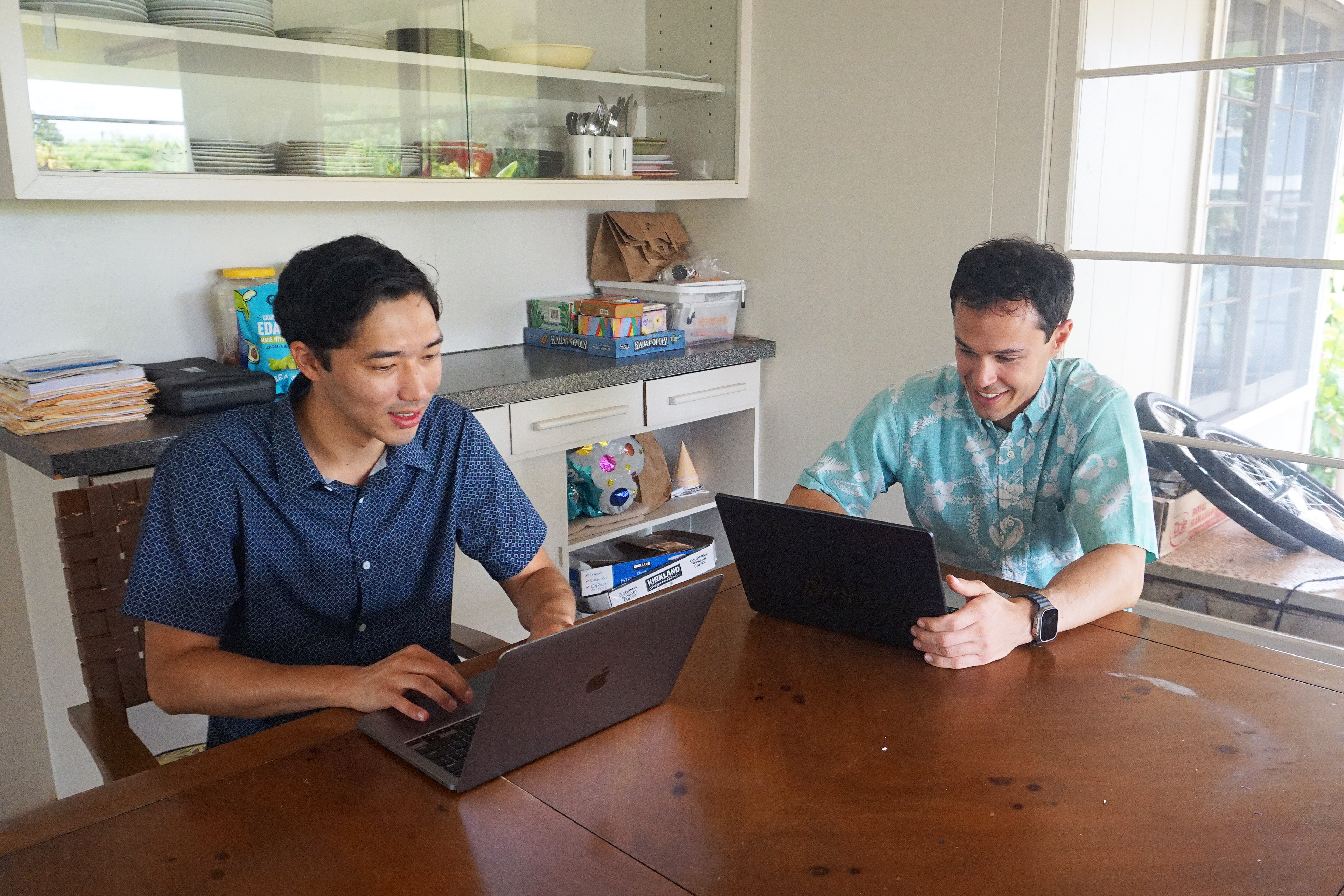
LĪHUʻE, Hawaiʻi — Dylan Lawton realized something was wrong when he struggled to use his right leg to hit the brakes while driving.
Within a matter of hours, scans showed the third-year medical student had a brain tumor. But the island of Kauaʻi, where he was completing his clinical rotation, has no neurosurgeons. So Lawton was medically evacuated on a plane to Straub Benioff Medical Center on O‘ahu, Hawaiʻi’s most populous island. There, the then-27-year-old was diagnosed with a type of lung cancer commonly found in nonsmokers, which was stage 4 and had spread to his brain.
Lawton said he wasn’t surprised by the extent of the healthcare shortages on Kauaʻi. Although he’s from Oʻahu, he grew up aware that his uncle on Kauaʻi needed to travel off-island to receive cancer treatment. It was one reason Lawton chose to participate in the University of Hawaiʻi medical school program that trains students on rural Kauaʻi, his grandparents’ home island. The cost of medical school is covered if the students practice medicine for four years on Kauaʻi after completing their residency. But now he needs ongoing, specialized treatment in a place with limited resources and only one full-time oncologist, who practices outside the hospital system where Lawton receives his treatment.