Is Trump's Idea To Pay Americans Directly For Health Care Possible?
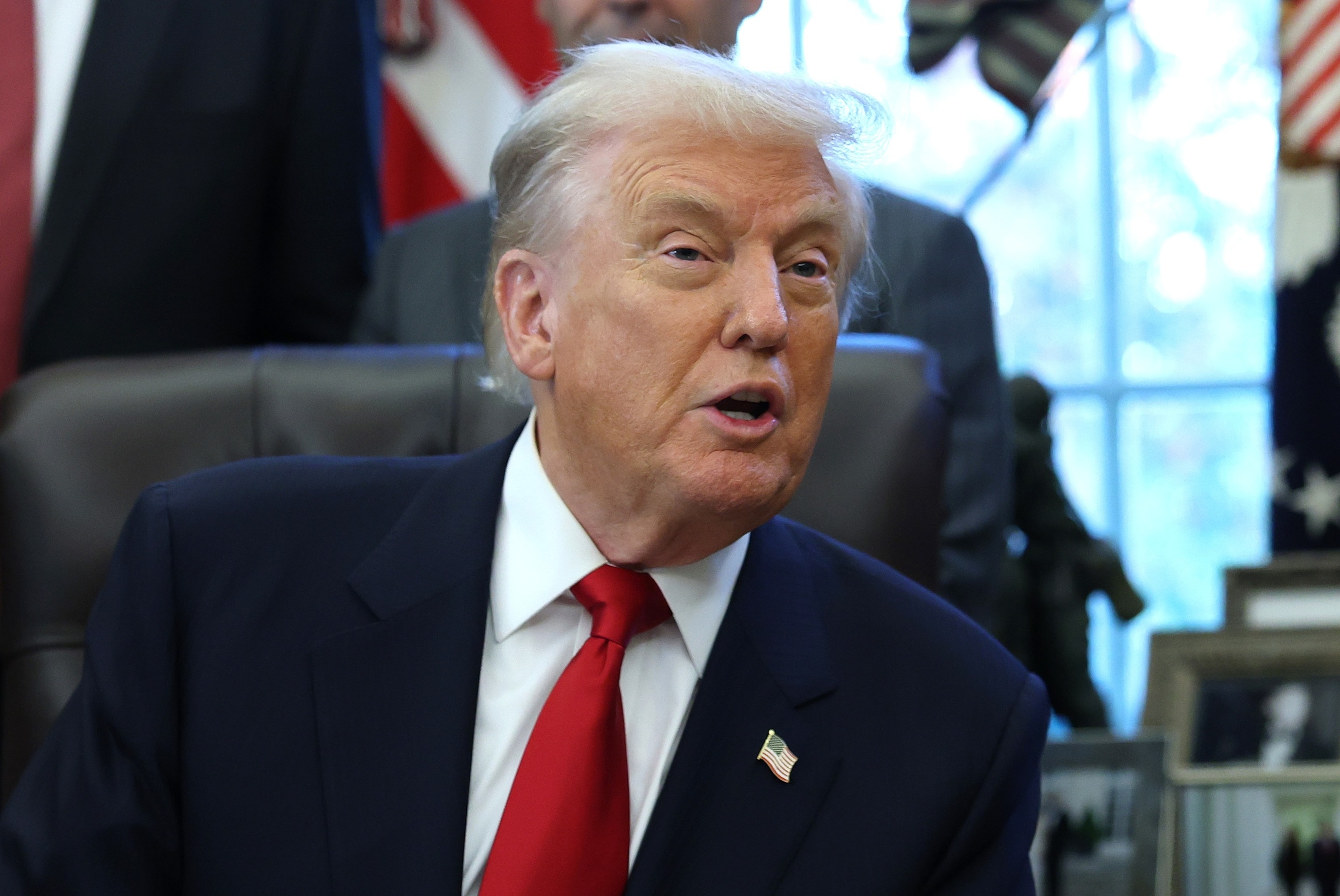
Over the weekend, President Donald Trump suggested subsidies the federal government pays to insurance companies under the Affordable Care Act (ACA) should instead go directly to Americans.
"I am recommending to Senate Republicans that the Hundreds of Billions of Dollars currently being sent to money sucking Insurance Companies in order to save the bad Healthcare provided by ObamaCare, BE SENT DIRECTLY TO THE PEOPLE SO THAT THEY CAN PURCHASE THEIR OWN, MUCH BETTER, HEALTHCARE, and have money left over," Trump wrote in a post on social media.
The post marked one of Trump's first comments since the September 2024 presidential debate, when he said he was interested in replacing the ACA and that he had "concepts" of a plan.
The idea received praise from some Republicans, including Sen. Lindsey Graham of South Carolina who called it "simply brilliant."
Currently, about 90% of ACA policyholders qualify for subsidies, or tax credits, to offset the cost of their monthly premiums. The government sends the subsidies directly to insurers.
The subsidies were part of the original ACA passed during the Obama administration and were enhanced in 2021 to increase the amount of financial assistance to those who were already eligible and to expand eligibility. They were not included in Trump's megabill signed into law in July and are set to expire at the end of the year.
Health care policy experts told ABC News that details of the plan are lacking, so it's unclear if it could result in higher health care costs. Experts added that it's possible insurance companies may be able to pocket more of the money they collect on premiums to cover their own costs under Trump's proposal.
"The president's idea is sort of a poorly fleshed out idea," Leighton Ku, a professor and director of the Center for Health Policy Research at Milken Institute School of Public Health at George Washington University, said. "Frankly, I think he was just stumbling around to say he has something to offer."
The Department of Health and Human Services, which runs the health insurance marketplace, referred ABC News to the White House for comment. The White House did not immediately return ABC News' request for comment.
Higher health care costs for Americans
Gerald Anderson, a professor of health policy and management and professor of international health at Johns Hopkins University Bloomberg School of Public Health, told ABC News he believes there are two possible scenarios from Trump's announcement, which could work in theory but also result in big changes.
The first scenario is ACA policyholders would get money to pay for a health care service directly instead of the money going to the insurer. This would likely have no impact on health insurance, he said.
The second scenario is Americans receiving money and buy any insurance they wanted to and not necessarily on the health insurance marketplace, which would have major impacts.
"If that's the scenario, that could have a profound effect on the ACA and the system because the ACA was set up to make sure that the insurance packages that were on the exchange were valid and provided services to the people," he said. "What we had in the past was a lot of sham insurance that essentially was not really insurance at all."
Ku said Trump's idea may work for young, otherwise healthy people but could disadvantage older Americans or those with underlying conditions.
He explained that giving a $1,000 subsidy, for example, to a young, healthy person might result in them receiving more than they currently pay for insurance.

"On the other hand, if you are older or a person who has some chronic disease problem like diabetes, like heart disease, like HIV, the health insurance [may] be extraordinarily expensive and getting $1,000 relative to what you would get right now as the subsidy under the ACA marketplace is completely insufficient," he said.
Ku explained that the ACA marketplace was designed to provide people with similar levels of coverage, which protects patients from getting charged differently by insurance companies based their health needs.

Anderson said if young, healthy people are out of the health insurance pool because they are self-insured or bought minimal health insurance coverage, that results in high premiums for everyone.
The more the pool is made up of people who are chronically ill or have major health needs, and in turn have higher health costs, the more premiums increase.
"What it develops is called a death spiral, where the premiums go up and fewer people enroll," Anderson said. "We are continually going to have to play a game of whack-a-mole in that the insurers will look at the rules and regulations, and they will try to identify ways to keep people with serious illnesses out of their risk pool."
Eventually, premiums could reach a point where even those who most need insurance wouldn't be able to afford it themselves, he added.
How this could impact insurance companies
Trump's idea could have both positive and negative effects for insurance companies, the health policy experts told ABC News.
Anderson said the federal government currently pays subsidies to insurance companies under the ACA today, particularly for low-income individuals.
If people received a lump sum of $15,000 or $20,000, for example, they might keep it instead to pay for other bills rather than paying for insurance, he said.
"The question is, would they use it to buy health insurance, or would they just keep it because they have to make a car payment, or they have to buy food or something like that?" Anderson said. "And so, the insurers would be very concerned that that money would never get to them."
Ku added that Trump's idea also suffers from a structural deficiency because it doesn't consider the medical loss ratio, which measures medical costs as a percentage of premium revenues.
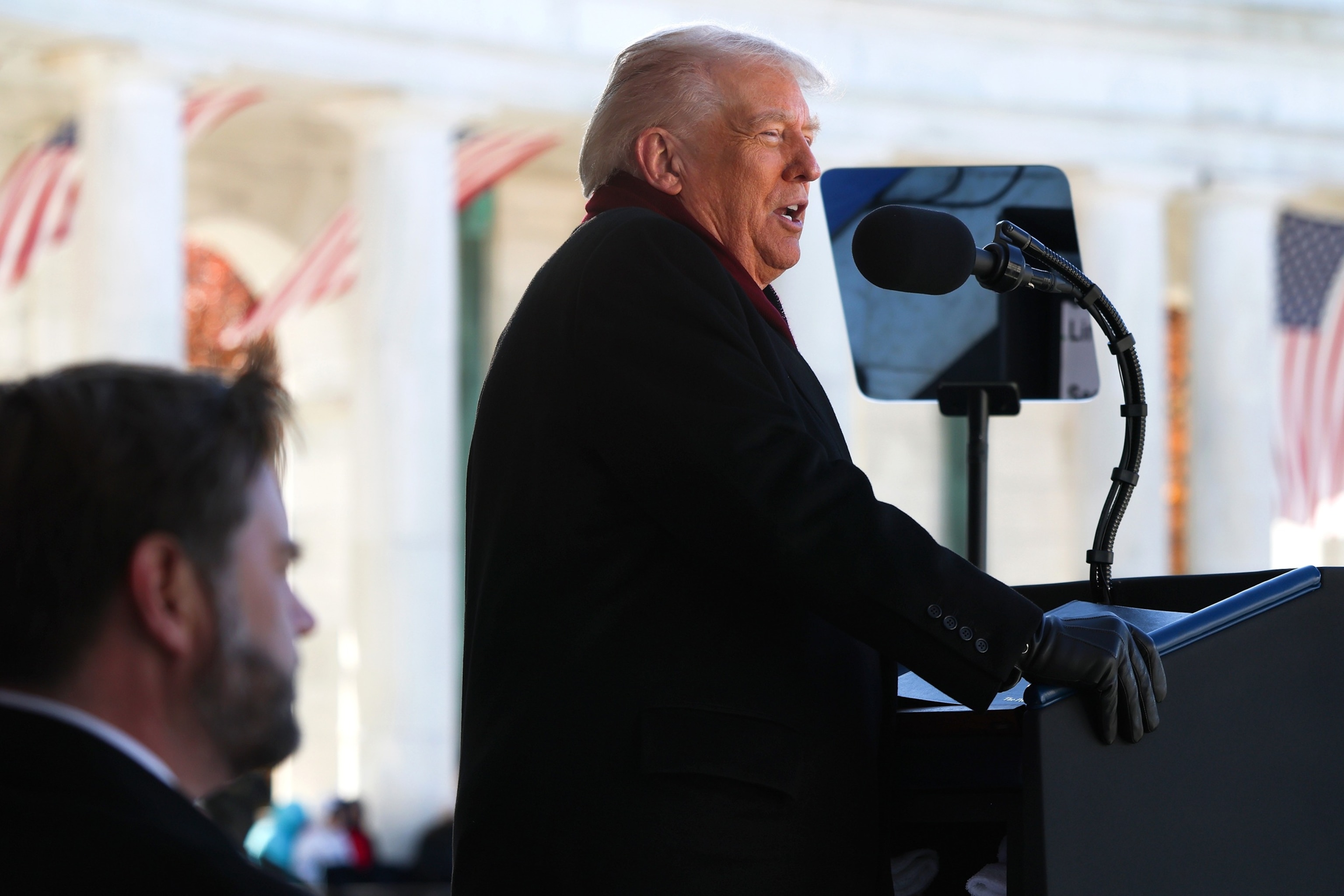
Under the ACA, 80% of the money a health insurer collects from premiums on an individual plan or small group plans must be spent on health care costs and quality improvement, and the remaining 20% can be spent to cover administrative and overhead costs.
If people buy individual coverage rather than staying in a large group plan, "there's less financial protection for the individuals," Ku said. "So, that's why [Trump's plan] is structurally something that is considered a bad idea."
Popular Products
-
 Sevich Hair Keratin & Moroccan Oil Vi...
$34.99$23.78 -
 Sevich African Chebe Hair Treatment Set
$73.99$50.78 -
 Sevich Hair Growth Essence Spray
$28.99$19.78 -
 Sevich Hair Fiber with Applicator Set
$40.99$27.78 -
 Whitening Cream Glutathione Body Lotion
$256.99$178.78