Infant Bleeding Cases Surge As More Parents Refuse Vitamin K Shots For Newborns
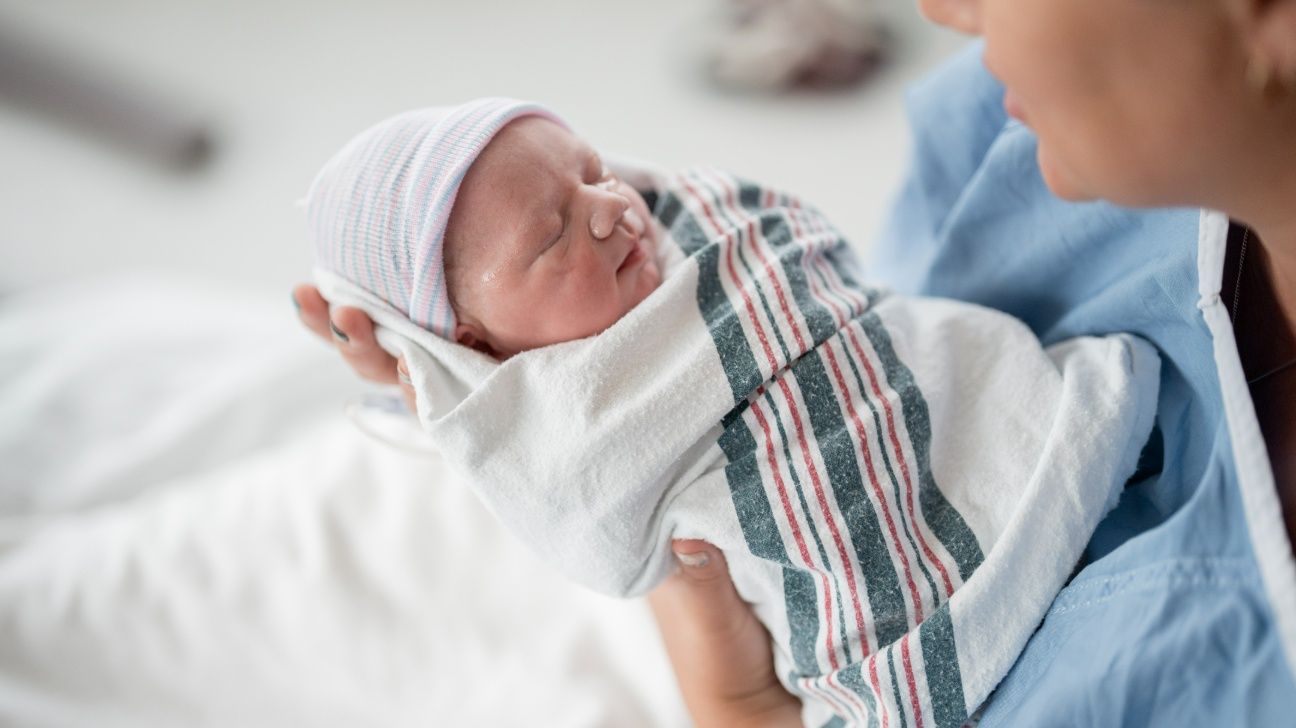
Experts say the rise in refusals of vitamin K shots for newborns may be linked to vaccine hesitancy and mixed public health messaging. FatCamera/E+Getty Images Vitamin K shot refusal rates among U.S. newborns more than doubled from 3.1% in 2017 to 6.8% in 2025, while cases of vitamin K deficiency bleeding nearly quadrupled during the same period. Infants who don’t receive the vitamin K shot have a 47% higher risk of bleeding and more than twice the risk of intracranial bleeding, which can be fatal. The shot reduces the risk of late-onset bleeding by approximately 98%. The vitamin K shot is a nutrient injection, not a vaccine, and experts attribute rising refusal rates to vaccine hesitancy, conflicting public health messaging, and medical distrust fueled by misinformation on social media. Two large studies published on November 5 link declining newborn vitamin K shot rates to a sharp increase in infant bleeding cases, including potentially fatal brain hemorrhages.