Food Banks, Pantries See Surge In Demand After Snap Benefits Halted
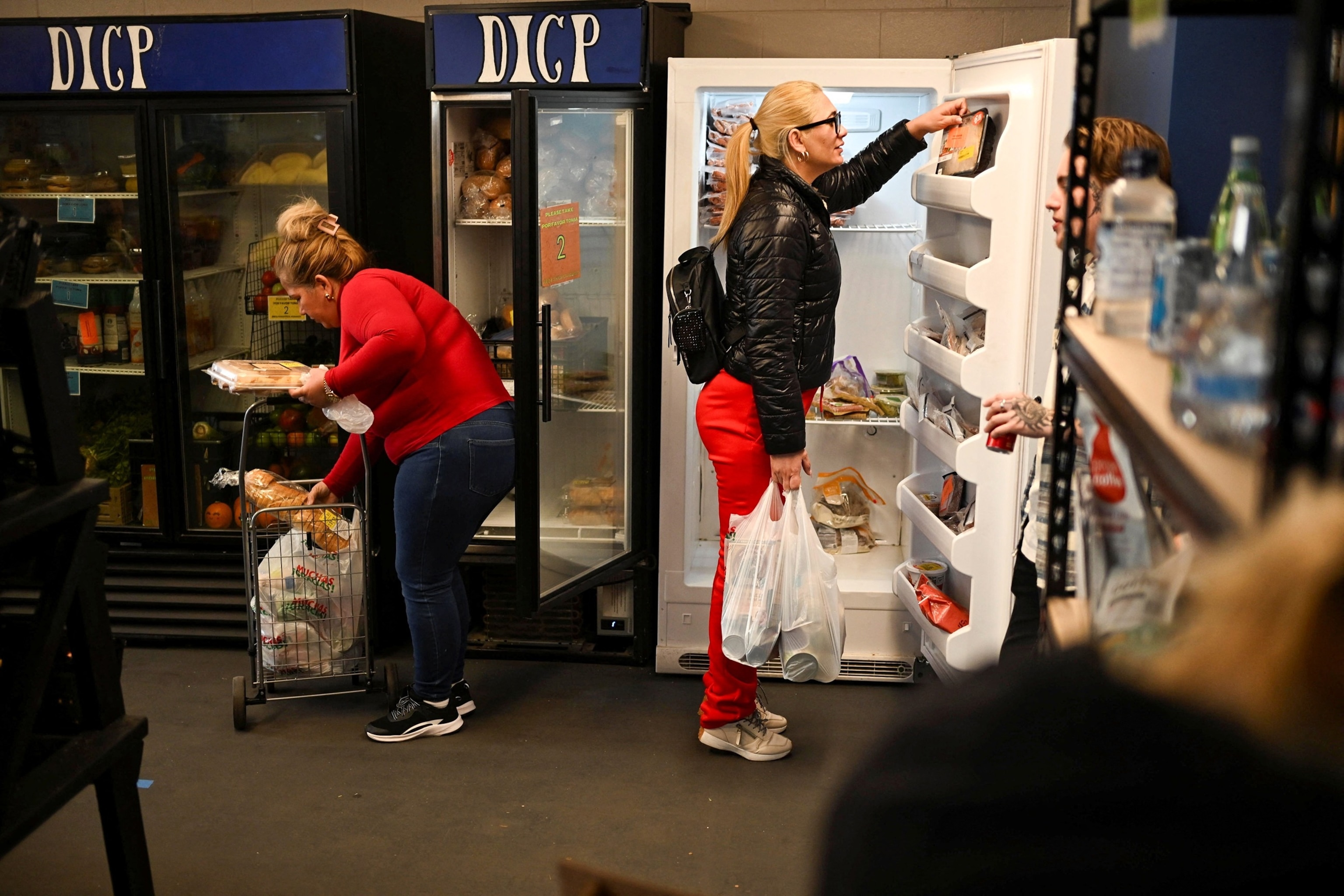
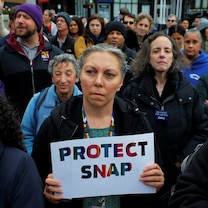
Food banks and hunger relief organizations are seeing an increase in the number of people lining up for food packages and calling helplines since Supplemental Nutrition Assistance Program (SNAP) benefits were halted on Nov. 1.
Nearly 42 million Americans have lost benefits meant to help low-income and vulnerable households pay for groceries.
President Donald Trump said Tuesday that no SNAP benefits will go out to Americans until after the government reopens -- a day after the U.S. Department of Agriculture said in court it would make partial payments to recipients.
A USDA official told a federal judge on Monday that using emergency funds for the program could take "a few weeks to up to several months."
Meanwhile, food relief workers say calls from people asking for help are spiking and food banks may run out of supplies in a few weeks unless drastic action is taken or the government reopens.
Joel Berg, CEO of the nonprofit Hunger Free America, which works to end domestic hunger, told ABC News that calls to the organization's hunger hotline are higher than they were during the last week of October.
In September, the organization received 1,420 calls; in October, it received 1,691 calls. Berg expects the number of calls for all of November to be higher than the previous two months.
"We're certainly starting to hear anecdotal evidence of the massive spike," he told ABC News. "One agency in California, where we have someone based, said their number of people literally doubled over the previous distribution."
He continued, "And so, we're really seeing just a tremendous spike in people needing food and concern and fear, and to some degree, you know, panic and despair over the nation's largest source of food aid going away literally overnight."
Eric Cooper, president and CEO of San Antonio Food Bank, which serves 29 counties in southwest Texas, said the number of families seeking help has increased since it was first announced that there would be a disruption in SNAP benefits should the government shutdown continue.
Cooper said San Antonio Food Bank, which is part of the nonprofit organization Feeding America, typically feeds 105,000 to 120,000 people per week but is now seeing close to 170,000 people per week.
He said the additional 50,000 to 65,000 people seeking assistance are those affected by the shutdown either because they're a government worker without a paycheck or a SNAP recipient who is without benefits.
On Nov. 1, more than 350 households visited one of San Antonio Food Bank's locations, of which two-thirds had been impacted by the government shutdown, according to the organization.

"Right now, we've had to open up afternoon shifts because there are new shifts in our distributions because we can't accommodate the number of people coming in a normal shift as a result of the government shutdown," Cooper told ABC News.
Cooper said in a normal shift, there are 50 people working the food distribution lines with 100 people in the warehouse preparing and packing food. He has had to ask for 150 additional volunteers to help meet the demand.
He added that the food bank has a little less than four weeks' worth of inventory in the warehouse including a mix of refrigerated, frozen and non-perishable items as well as diapers, detergents and toilet paper.
Despite taking in eight to 12 tractor trailer loads a day, Cooper said the demand for food items is greater than the supply, so the inventory is starting to shrink.
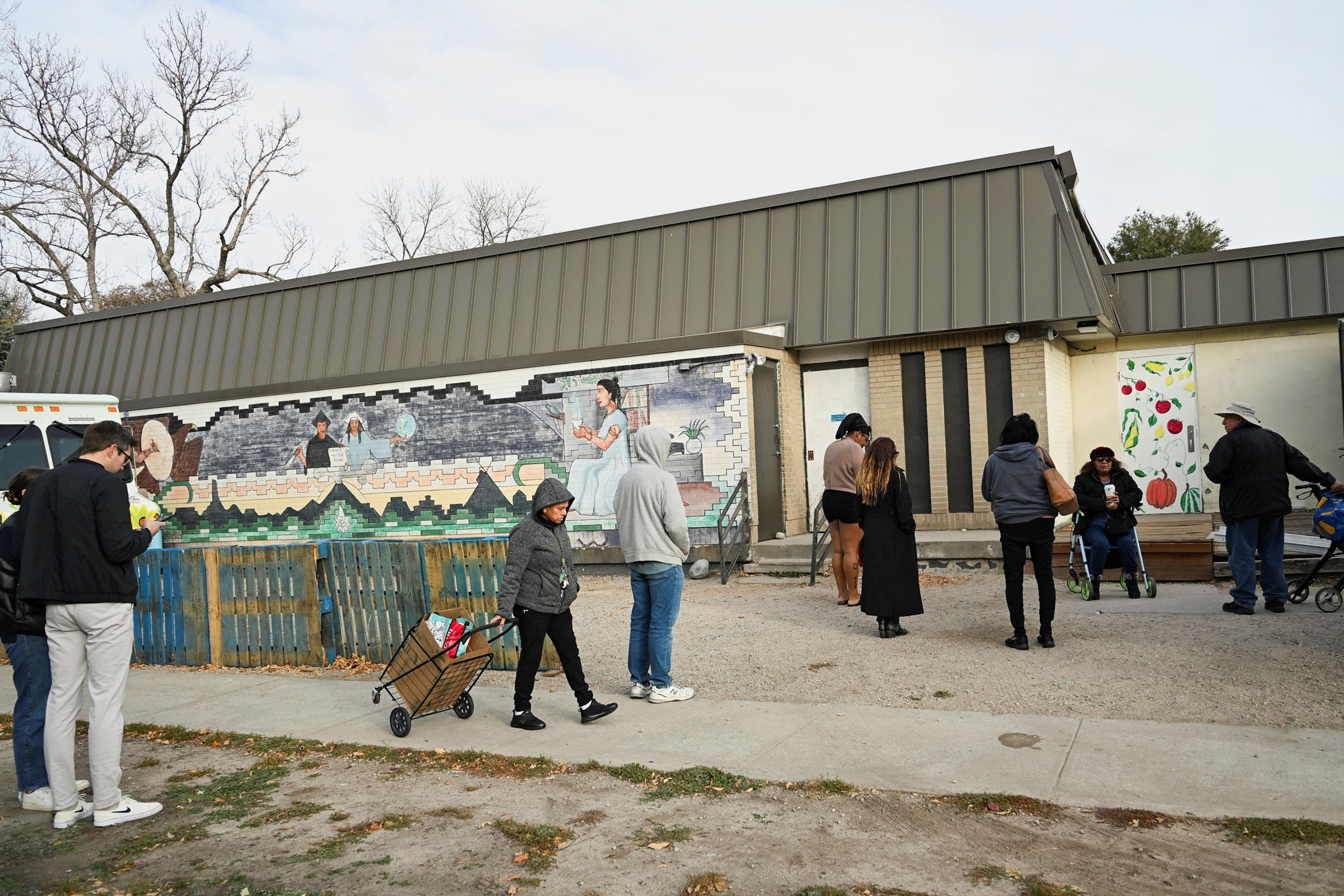
"I'm anxious because I look at our inventory and there's more empty racks as a result of the amount of food that we're sending out, and we're not keeping up with the amount of food coming in, and so I just pray that that maybe some of the local selfless service inspires our state or federal governments to do their part in helping us ensure no one goes hungry in our community," he said.
Berg said that while food charities are doing the best they can to serve the dramatic spike in people needing food, they cannot fill the gap left by SNAP.
He believes it's "guaranteed" that food pantries, soup kitchens and other locations that distribute food will run out at some point.
"What's going to happen to these charities is most didn't have enough food beforehand, so they may be able to boost what they're giving out now, and some charities are giving them more money to buy food, but this just means they're going to run out of food marginally sooner this month than they would have," he said.
In remarks made Monday afternoon, Senate Majority Leader John Thune said "victims" of the government shutdown are becoming clearer as federal workers continue to go without pay and SNAP beneficiaries see their funds frozen.
"After five weeks Mr. President, the victims of the Democrats' shutdown are starting to pile up. Military families have turned to food banks in significant numbers and they're not the only ones," he said. "Food banks in this area and around the country have seen an influx of federal workers who are missing paychecks because of the shutdown and things are set to get much worse due to SNAP running on limited emergency funds and its future uncertain."
He added, "There are no winners in a government shutdown. There are no winners. But there are plenty of losers. Chief among them is the American people."
Popular Products
-
 Gut Health Colon Cleanse
$33.99$22.78 -
 Calcium, Vitamin D3 & Zinc Supplement
$43.99$29.78 -
 Prime Plus Heated Massage Gun
$967.99$578.78 -
 Candida Complex with Probiotics & Ore...
$43.99$90.78 -
 Vitamin C & Zinc Supplement to Boost ...
$41.99$28.78