Oto Received Highest Number Of Complaints About Cra In Three Years, Report Says
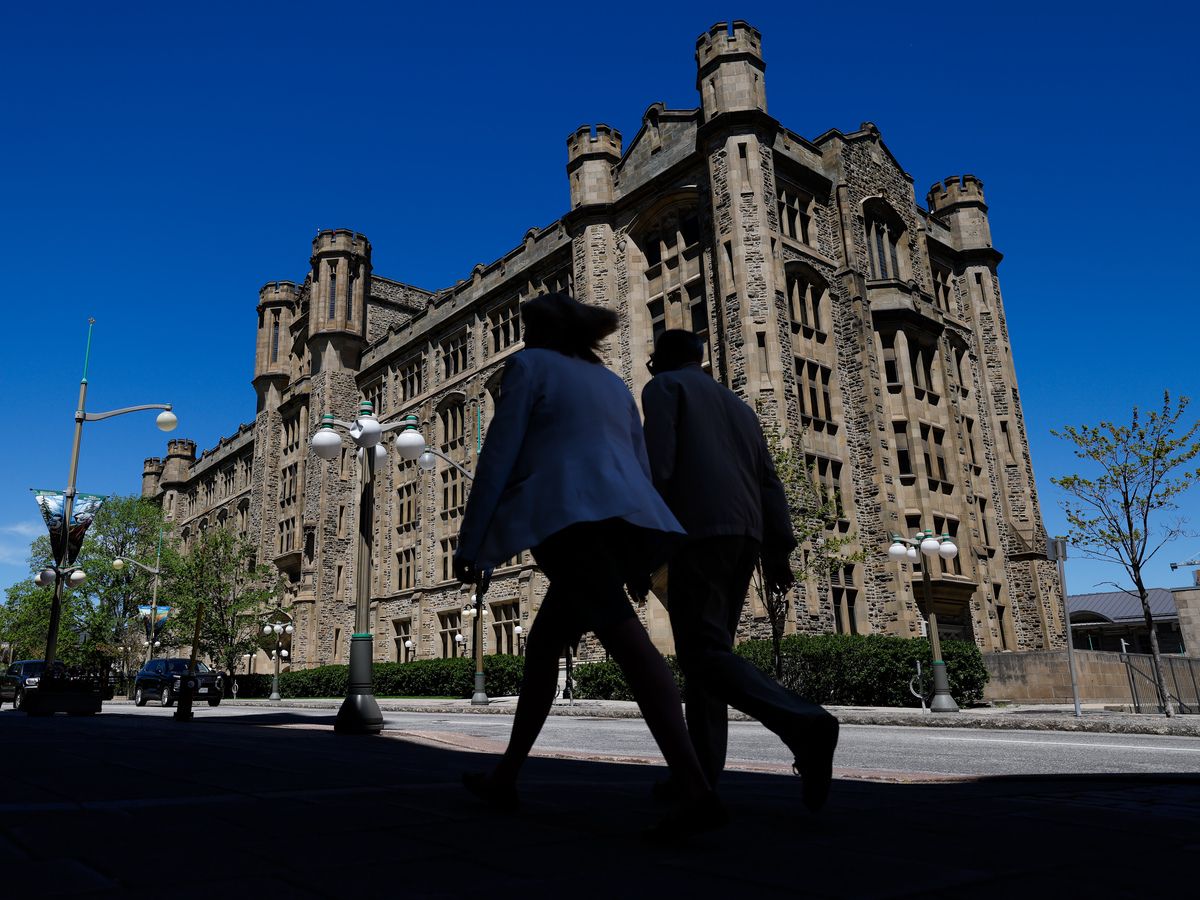
The Office of the Taxpayers’ Ombudsperson (OTO) received the highest number of complaints in three years, according to its latest annual report released this week.
The OTO, which is responsible for reviewing service-related complaints about the Canada Revenue Agency (CRA), said it saw a 27 per cent surge in complaints in the 2025-2026 tax year compared with the previous year. Complaints included processing delays with income tax forms, excessive call wait times and inaccurate or unclear information from agents.
Jamie Golombek , managing director, tax and estate planning, at Canadian Imperial Bank of Commerce (CIBC), said this is exactly in line with what CIBC has been hearing from clients, advisers and accountants.
“The level of frustration has reached nearly an all-time high that I can remember, other than perhaps during COVID,” Golombek said. “The taxpayer is the customer and taxes are a major line item for most families in Canada. To be able to deal with that in an open, transparent and fair manner, I think, is of critical importance,” he added.
“The government needs to step up and either hire the right people, more people or just work on a plan to be able to get back to Canadians faster,” he said.
The CRA took nearly a year (up to 50 weeks) to process complex return adjustments, well surpassing its own service standard of 20 weeks, which was introduced in the 2024-2025 fiscal year. Earlier this month, the OTO said it would launch a systematic examination to identify the root causes behind these delays and ombudsperson François Boileau said he hopes his office will have its findings ready by the end of the year.
Boileau said the 50-week process times are unacceptable, adding that when taxpayers don’t know what is happening with their files, they call the CRA, which can help clog up the contact centres.
“It’s a vicious circle, in a way,” Boileau said. “The pressure on the CRA is immense.”
Boileau said more public awareness of his office may have increased the number of complaints it has received in the past year as well.
Other common areas of concern included collection actions allegedly not considering taxpayers’ individual circumstances, delays experienced with the CRA’s Service Feedback Program and difficulty accessing CRA accounts, according to the report.
Boileau offered seven recommendations in the report for the CRA to improve its services, such as allowing Canadians to request a callback without calling a contact centre first, improving the Check CRA processing times tool and progress tracker in CRA accounts and meeting the needs of vulnerable populations in its artificial intelligence strategy.
“The CRA welcomes the recommendations in the Ombudsperson’s annual report as an opportunity to continue improving transparency and service delivery,” said Nina Ioussoupova, a spokesperson for the agency, in an email to Financial Post.
On its website, the CRA has agreed to most of the recommendations barring the last, which recommends expanded eligibility for automatic tax filing so that all taxpayers in a simple tax situation, not just low-income individuals, can access pre-filled tax returns in their CRA accounts. This is a ministerial decision, the CRA said on its website.
Boileau said he has not yet received a response from the finance minister on this recommendation.
Golombek said he thought the expanded eligibility for automatic tax filing was “a great idea,” estimating that the CRA could probably pre-fill about 80 per cent of Canadians’ returns with the information it already has.
Last fall, Finance and National Revenue Minister François-Philippe Champagne directed the CRA to implement a 100-day plan to resolve “unacceptable” levels of service for Canadians, including call centre issues.
Ioussoupova said in an email the CRA has since made progress to strengthen its services, facilitate access and reduce delays following the plan’s launch.
“We continue to build on the progress achieved under this plan by transforming and modernizing our operations, using digital tools, including AI, automating processes, and streamlining our business practices.”
The 2025 tax season was “terrible,” said Marc Brière, national president of the Union of Taxation Employees’ (UTE), which represents more than 35,000 employees of the CRA.
Brière said significant workforce reductions severely impacted the agency’s standard of service. About 10,000 employees were let go, with about 3,500 staffers cut from the call centres since May 2024, he said.
“People were drowning in the contact centers,” he said, adding that the CRA was answering about five per cent of calls last summer and had about 300,000 T1 return cases in the backlog at one point. “The situation was catastrophic.”
However, he said he believes the latest tax season saw improvements after the CRA rehired 2,500 employees. It is less clear whether the CRA will extend these employees’ contracts, which expire in September, he said.
Boileau said he is “cautiously optimistic” that the 2026-2027 year will go more smoothly for the CRA.
• Email: slouis@postmedia.com
Popular Products
-
 Fake Pregnancy Test
$61.56$30.78 -
 Anti-Slip Safety Handle for Elderly S...
$57.56$28.78 -
 Toe Corrector Orthotics
$41.56$20.78 -
 Waterproof Trauma Medical First Aid Kit
$169.56$84.78 -
 Rescue Zip Stitch Kit
$109.56$54.78