Trilogy Coo Todd Mehaffey On The Future Of Nursing Homes: Ai, Ma And The Importance Of Hospitality
The nursing home sector is expected to get a lot more competitive in the years to come. As hospitality gets baked into every service line, AI use and strong interdisciplinary teams will be defining features of high-performing operators.
But some existing headwinds will persist, including Medicare Advantage, Trilogy Health Services COO Todd Mehaffey told Skilled Nursing News.
Medicare Advantage and the shift toward value-based care have been interesting to navigate for Trilogy, especially when contracts don’t yield preferred results, he noted.
Trilogy’s growth, meanwhile, has been focused on expanding continuum of care offerings, from patio homes to skilled nursing with memory care, and everything in between, he said. Building robust ancillary services including pharmacy and laboratory services has been top of mind as well, when thinking about what the future resident will need.
Mehaffey believes industry consolidation will continue, but in a manner contrary to popular expectations.
“I don’t necessarily feel like we’re going to see huge companies either. We have a handful of 300-plus site operators. I don’t see everybody having 500 campuses, but I do think you’ll see some consolidation,” he said.
Mehaffey discussed MA headaches, internal AI software, growth strategies and regulatory hurdles with SNN in this month’s RETHINK Podcast.
Louisville, Kentucky-based Trilogy operates 149 buildings across 5 states.
This conversation has been edited for length and clarity. To listen to the complete episode, click below:
SNN: What new and exciting growth has been happening at Trilogy?
Mehaffey: We’ve had an exciting several years post-pandemic. We’ve had a lot of growth, we’ve added multiple campuses and locations and expanded to a fifth state in Wisconsin last year … that that gave us a new footprint. We completed a large (to us) acquisition in December 2025 with Kingston HealthCare Company, adding on 14 Kingston campuses, and that’s fitting really nicely into our footprint.
A lot of attention has been given to that over the past several months, to the integration of those campuses in our portfolio. Continuing our overall growth, we have seven campuses that are board approved and are in some various state of construction today that will open in the next 24 months, and then another nine campuses where we’ll do service line expansions.
Sounds like an expansion of care continuum offerings.
Integrated health or integrated living communities is what we have – seniors housing and skilled nursing. We focus on the whole continuum and at the highest end or most independent side of our campuses, we have patio homes, which are almost like single-family homes, then independent living inside of our campus, these are like an apartment. We also have assisted living, assisted living and memory care, skilled nursing, skilled nursing and memory care.
While we’ve slowed down new campus construction over the past three years, we’ve added service lines to many campuses, and that’s where you’re seeing a lot more growth.
How do ancillary services fit in?
Those will come with pharmacy additions and will get integrated into our pharmacies. We already own our own pharmacy, we own our own lab, we own our own rehab company, and we already service all of our campuses with that. So that’s just accretive to our overall footprint. Our ancillary services will go into those campuses automatically.
What operational challenges are keeping you up at night?
Value-based care. With Medicare Advantage penetration, we’ve been insulated. We were really low in our MA penetration up until Covid, and that pierced the veil for us. It catapulted us into an MA product that we weren’t that interested in, quite frankly, pre-pandemic. Post pandemic, we’ve gone from 65% Medicare to 35% MA, then seeing MA grow to about 45%. We’re not 50/50 yet in our space, but that has been a big headwind for us.
How we manage our contracts with MA has been a challenge … we shy away from level-based contracts and we, quite frankly, just said no to contracts that did not yield what we needed them to yield. We are not going to give a 35% discount to a Medicare Part A patient for an MA contract. We’ve completely walked away from those providers.
What about regulatory challenges?
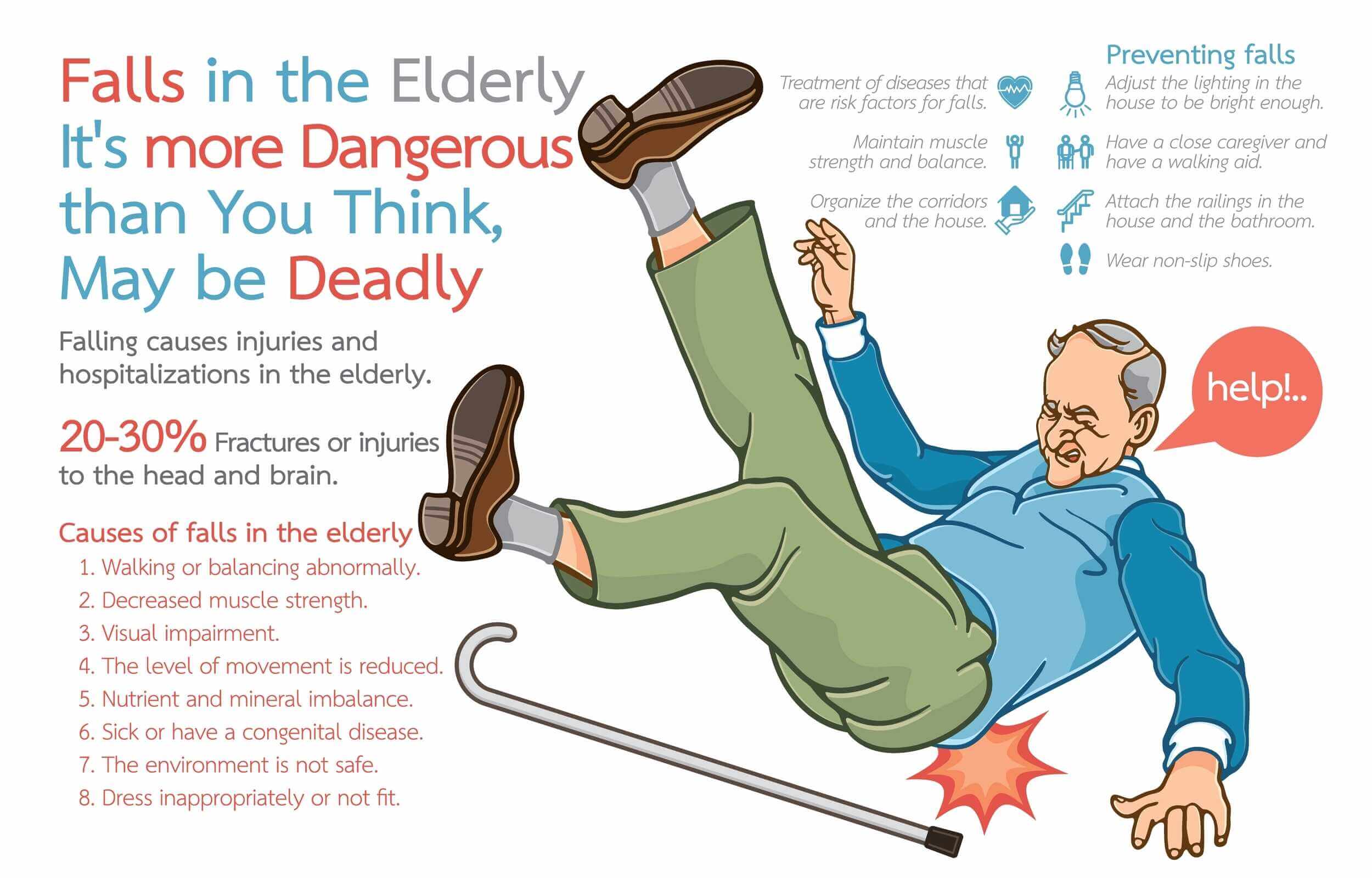
We’re always going to have incidents and accidents on our campuses and in our facilities. How we manage falls, how we manage wound care, how we manage skin incidents or elopements is paramount and understanding self-reporting, QAPI, self-identification.
Our industry does a good job of blocking and tackling and doing the regulatory components that we know are coming at us every single day. It’s those unforeseen incidents that are the ones that hurt campuses the most. The more we address those and identify them in advance, the better we’ll be. That’s what you’re going to see with the future with AI in nursing homes, identification of problems before they happen and what an incident looks like three days in advance … that’s going to be something that’s going to be paramount to our success over the back half of the year.
Is this how Trilogy has incorporated AI?
We’ve developed our own software. We own a lot of data and so rather than giving our data to an outside source, we want to own our own data and utilize it, create our own tools for audits. We can create our own chatbots, our own scrubbers. We can find information much faster with technology than the time it takes for an individual to find it. We can call through hundreds of pages of documents for an audit and get the right diagnosis and the right documentation to support our diagnosis.
It’s been really exciting to see that develop in-house for us. That technology is going to be paramount for us going forward. It’s really about ‘people work’ versus paperwork. If we can get technology to monitor temperatures and vital signs with wearables, and not have somebody just manually doing paperwork and menial tasks, that gives us more time at the bedside.
How does Trilogy handle survey and audit prep?
Everybody does some type of a mock survey, where you survey your campuses internally a year out, six months out, nine months out, and then do your own corrective actions before you have an annual survey from CMS.
We have a different process — we have our own survey standards. We have peer-to-peer survey standards evaluations every year, and that is something we measure internally. That’s not a CMS regulation, it’s our own survey standards, which are much more stringent compared to CMS. Our survey standards include customer satisfaction, employee satisfaction. We also do our CMS mock surveys; it’s interdepartmental, everybody has a piece of that. The clinical team, our life safety and plant operations team, housekeeping, voluntary maintenance, culinary, social services … the interdepartmental mock survey team is well balanced. The goal is to reduce the number of deficiencies in the annual surveys. That’s where we really feel like we have an opportunity.
Tell me more about Trilogy’s efforts to create interdisciplinary teams.
It’s putting the patient at the center of decisions. Life enrichment might see something different for a resident than what nursing sees, be it signs of depression, withdrawal, just maybe not as active, and the more we get everybody included in looking at the resident, the better the outcome will be.
That is something the best-in-class providers do on a daily basis, and we see that in our outcomes. We see that with our quality initiatives. We see that in our quality indicators every single day.
How do you think the skilled nursing sector will evolve in the years to come?
I think it’s going to get hyper competitive. Supply and demand are going to continue to fuel the space, but I think you’ll see some consolidation with poor providers or small providers that just can’t operationalize.
I don’t necessarily feel like we’re going to see huge companies either. We have a handful of 300-plus site operators. I don’t see everybody having 500 campuses, but I do think you’ll see some consolidation.
What should the public rethink about skilled nursing?
We are not the nursing home from 50 years ago at all. We have a lot of life-enrichment programs. Our culinary programs are much better than they’ve ever been before. At Trilogy we do all-day dining. Our customers are demanding that. Our customers are much more educated, they’re savvy, and they have choices.
Providers that do a good job honoring those choices are going to fare much better than those who are just rote in their practices. The sector is going to be much different going forward than what it ever has been. We have integrated campuses with senior housing and skilled nursing, so we do a good job with that hospitality component, but I think just on the skilled nursing side, the hospitality component is going to drive the healthcare decisions a lot more than in the past. That’s going to be exciting to see. Future generations are going to have more options.
The post Trilogy COO Todd Mehaffey on the Future of Nursing Homes: AI, MA and the Importance of Hospitality appeared first on Skilled Nursing News.
Popular Products
-
 Put Me Down Funny Toilet Seat Sticker
$33.56$16.78 -
 Stainless Steel Tongue Scrapers
$33.56$16.78 -
 Stylish Blue Light Blocking Glasses
$85.56$42.78 -
 Adjustable Ankle Tension Rope
$53.56$26.78 -
 Electronic Bidet Toilet Seat
$981.56$490.78