Traumatic Brain Injury 101: What You Need To Know About Tbi
Recovering from a head injury is rarely as simple as resting in a dark room until a headache passes. While some people bounce back quickly, many face lingering emotional and cognitive hurdles months down the road, including severe anxiety, mood swings, executive dysfunction and post-traumatic stress disorder (PTSD). As Dr. Justus Rabach, MD, explains to Blavity Health, “For a long time, researchers have wondered why some people seem to recover more quickly emotionally after experiencing a head injury. Well, there’s now a group of neuroscientists looking for objective biological markers.”
MindBodyGreen reports that a groundbreaking 2026 study that tracked over 1,000 military service members before and after combat deployments uncovered a major piece of the puzzle. Researchers found that service members with specific blood antibodies targeting the N-methyl-D-aspartate receptor subunit 1 (anti-NMDAR1) experienced up to a 25% reduction in depression symptoms and a 22% drop in PTSD symptoms following head trauma. Unlocking these complex biological mechanisms through modern biomarker research provides a much clearer, more hopeful roadmap for targeted treatments and lasting recovery.
What is traumatic brain injury?
Traumatic brain injury is a wide range of acute brain structural and functional injuries caused by an external mechanical force. TBIs are a major cause of death and permanent disability around the world, according to the Centers for Disease Control and Prevention (CDC), and millions of children and adults are injured from vehicle collisions, sports collisions, physical assaults and falls.
Traumatic brain injuries are classified by clinicians as mild, moderate, or severe, based on clinical assessment, including the Glasgow Coma Scale (GCS), duration of loss of consciousness and post-traumatic amnesia.
A mild traumatic brain injury (mTBI), also known as a concussion, makes up about 75-80% of all reported head injuries, explains the Cleveland Clinic. Even though the term “mild” is attached to it, concussive blows can cause profound, complex cellular changes that lead to ongoing physiological, emotional and cognitive disturbances.
What’s happening in your body
TBI has two temporal phases: the initial mechanical injury and a secondary injury cascade that evolves.
According to the Mayo Clinic, the initial injury occurs at the moment of impact. The brain slides and twists within the rigid confines of the skull, causing contusions, microvascular shearing and diffuse axonal injury, which involves the stretching and tearing of long communicating nerve fibers (axons).
It is this mechanical strain that triggers a dangerous secondary neurochemical cascade in the brain immediately afterward. A large, uncontrolled depolarization of damaged neurons causes a large release of glutamate, an excitatory neurotransmitter, into the extracellular space.
This excess of glutamate overstimulates post-synaptic N-methyl-D-aspartate (NMDA) receptors, opening receptor channels and allowing large amounts of calcium ions to enter brain cells. This process, called excitotoxicity, overwhelms intracellular mitochondria, leads to the production of destructive reactive oxygen species, activates proteolytic enzymes, and triggers broadly expressed neuroinflammation.
This same pathway was emphasized in the recent September 2026 military deployment study, which indicated that circulating anti-NMDAR1 antibodies, which directly bind glutamate-gated NMDA receptors, may help modulate or dampen excessive receptor stimulation. This may account for the reduced depression and PTSD symptoms in individuals with higher baseline antibody levels after military deployment.
Causes of traumatic brain injury
TBI results from a variety of mechanical forces, and the factors associated with baseline risk of TBI vary by age and setting. According to data from the CDC, the most common causes of TBIs are:
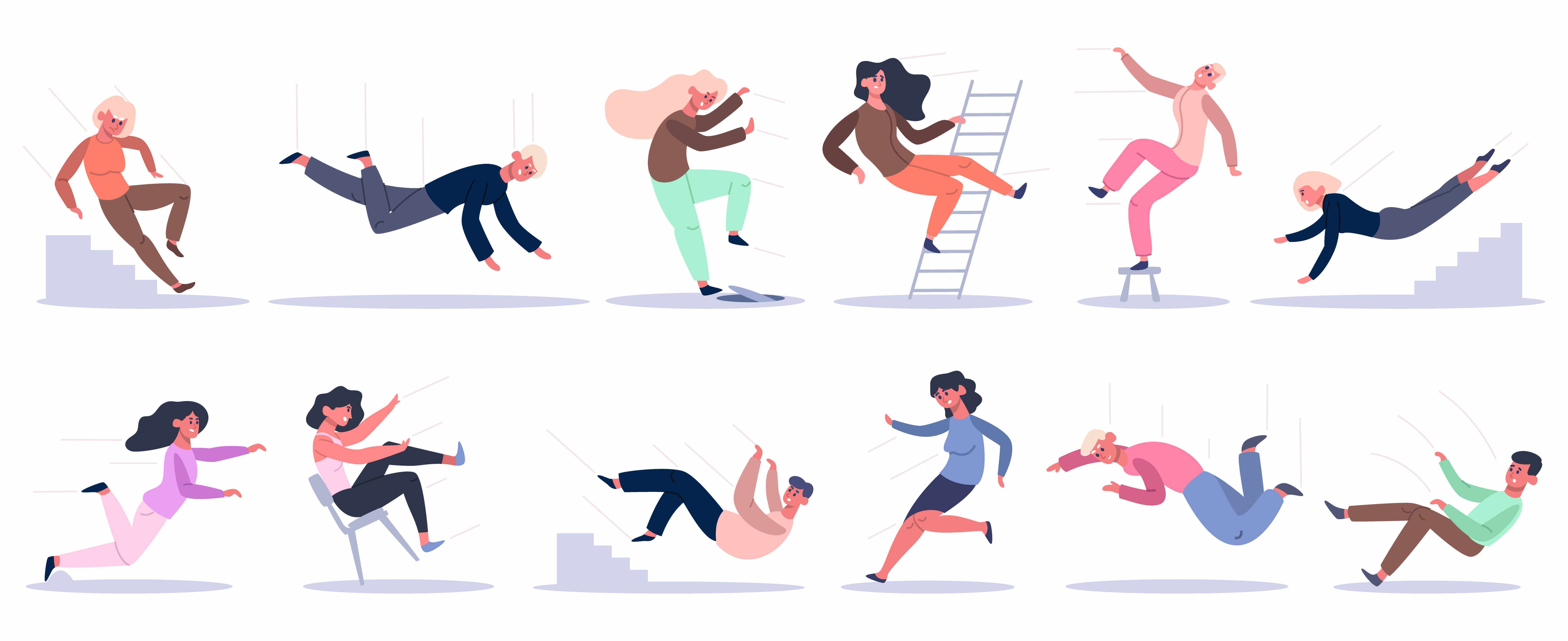
- Accidental falls are the top cause of traumatic brain injury (TBI) across the board, and particularly prevalent in older adults (65+) and toddlers (under 4 years).
- Motor vehicle crashes, including car crashes, motorcycle accidents, and pedestrian impacts, are the leading cause of severe traumatic brain injuries and hospitalizations among adolescents and working-age adults.
- Most concussive traumas are caused by unintentional, blunt trauma related to high-velocity collisions during contact sports such as football, soccer, and ice hockey, or falling construction materials.
- High-morbidity penetrating and blast-wave injuries such as intentional physical assault, domestic violence, and gunshot wounds often require emergency neurosurgical intervention.
Health risks and complications
Traumatic brain injury is not a one-time incident, but a progressive chronic condition, with immediate and long-term physical, psychological, and systemic health challenges.
Major complications include post-concussion syndrome, which encompasses ongoing headaches, dizziness, sleep disruption, cognitive dysfunction, and sensitivity to light that can last for months or years following the initial concussion, the Mayo Clinic explains.
Secondary ICP elevation happens when blood accumulates inside the skull (epidural hematoma, subdural hematoma, subarachnoid hemorrhage) and compresses the non-expandable skull, causing brain herniation and death.
Psychiatric and emotional dysfunction frequently occurs, and patients are at much higher lifetime risk for major depressive disorder, generalized anxiety, emotional lability, loss of impulse control, and even post-traumatic stress disorder.
Post-traumatic epilepsy occurs when, weeks or months after moderate or severe injuries, focal cortical scarring and altered neuronal circuits result in the development of spontaneous electrical seizure foci.
Chronic Traumatic Encephalopathy (C.T.E.) is a progressive brain-degenerative disease, which is linked to repeated blows to the head and associated with abnormal hyperphosphorylated tau protein deposits that cause significant memory loss, changes in personality, aggression and dementia.
What to do about traumatic brain injury symptoms
Management of a traumatic brain injury should not involve unlimited bed rest. Still, it should begin with early clinical evaluation and a structured program of cognitive pacing, followed by individual, tailored rehabilitative therapies.
In the past, patients were instructed to remain in complete darkness until all the symptoms disappeared. Current clinical practice guidelines issued by the American Academy of Neurology (AAN) recommend a brief initial period of cognitive and physical rest (24-48 hours) followed by a symptom-limited, gradual return to normal activities.
Evidence-based strategies include physical and vestibular rehabilitation, which is active, improving the balance systems of the inner ear and smooth eye-tracking coordination (vestibulo-ocular reflex) with the help of specialized physical therapists.
Cognitive pacing and environmental adaptation mean breaking tasks into manageable pieces, using tinted glasses to reduce light sensitivity, and avoiding excessive stimulation and movement in the environment while the brain is healing.
Neuropsychological and behavioral health support offers focused cognitive behavioral therapy (CBT) for patients to work through emotional distress, rebuild a healthy sleep structure, and address depression or trauma related to the injury.
When to see a doctor
A blow, bump, or jolt to the head can cause an acute intracranial bleed or neurological deterioration, and should always be evaluated by a professional.
According to guidelines from notable health institutions like the CDC, seek immediate emergency medical care if an injured individual displays any of the following “red flag” symptoms:
- A headache that gets progressively worse and doesn’t get better with normal headache treatment.
- Persistent vomiting or vomiting into a bowl.
- Clear fluid running from the nose or ears, bruising behind the ears (Battle’s sign), and around the eyes.
- Enlargement of one pupil that is larger than the other or sudden loss of vision.
- Slurred speech, weakness, numbness, or reduced physical coordination or focal clumsiness of the limbs.
- Abrupt seizures, muscle convulsions, unusual confusion, agitation, or being unable to wake from sleep.
Structural neuroimaging, mostly non-contrast Computed Tomography (CT) scans, is performed in the emergency department to quickly diagnose acute fractures, brain swelling, or life-threatening bleeding within the skull, which may need to be decompressed through surgery.
“After head trauma, the brain may swell, and the use of mannitol and steroids and even sometimes surgery — where the top of the skull is removed — can be used to decrease pressure on the brain and increase the chance of a full recovery,” says Dr. Marc Siegel, MD, clinical professor of medicine at NYU Langone Medical Center.
Bottom line
Traumatic brain injury (TBI) is a complex neurological dysfunction caused by external mechanical forces, leading to a biochemical cascade of glutamate excitotoxicity, mitochondrial dysfunction, and neuroinflammation. Recent military studies have shown that factors such as anti-NMDAR1 antibodies can be used as biomarkers to understand individual differences in post-injury depression and resilience to PTSD, but recovery is still very individual. Prevention of falls, use of certified helmets, early identification of signs and symptoms of emergency neurotrauma, and organized, multidisciplinary rehabilitation remain the best ways to promote brain recovery and maintain mental health.
Frequently Asked Questions
Can a person with brain damage recover?
Yes, through neuroplasticity. The brain’s ability to reorganize, form new neural connections and compensate for damaged areas. Many individuals can achieve substantial functional and cognitive recovery through targeted physical, occupational and speech therapies.
Which is the most common traumatic brain injury?
The most common form of traumatic brain injury is a concussion (mild traumatic brain injury), which accounts for roughly 75% to 80% of all reported head injuries worldwide.
Citations
Zhané Slambee. This Unexpected Factor May Lead To Better Recovery After Brain Injury. mindbodygreen. Published September 16, 2026. https://www.mindbodygreen.com/articles/possible-link-between-brain-injury-and-mental-resilience
CDC. Facts About TBI. Traumatic Brain Injury & Concussion. Published May 7, 2024. https://www.cdc.gov/traumatic-brain-injury/data-research/facts-stats/index.html
Cleveland Clinic. Traumatic Brain Injury. Cleveland Clinic. Published January 25, 2024. https://my.clevelandclinic.org/health/diseases/8874-traumatic-brain-injury
Mayo Clinic. Traumatic brain injury – Diagnosis and treatment – Mayo Clinic. Mayoclinic.org. Published February 4, 2021. https://www.mayoclinic.org/diseases-conditions/traumatic-brain-injury/diagnosis-treatment/drc-20378561
CDC. Facts about falls. Older Adult Fall Prevention. Published 2024. https://www.cdc.gov/falls/data-research/facts-stats/index.html
Mayo Clinic. Post-concussion syndrome – symptoms and causes. Mayo Clinic. Published 2017. https://www.mayoclinic.org/diseases-conditions/post-concussion-syndrome/symptoms-causes/syc-20353352
American Academy of Neurology. Summary of Evidence-Based Guideline Update: Evaluation and Management of Concussion in Sports. https://www.aan.com/siteassets/home-page/tools-and-resources/practicing-neurologist–administrators/patient-resources/sports-concussion-resources/17concussionslides_tr.pdf
The post Traumatic Brain Injury 101: What You Need To Know About TBI appeared first on Blavity.
Popular Products
-
 Electronic String Tension Calibrator ...
$41.56$20.78 -
 Pickleball Paddle Case Hard Shell Rac...
$27.56$13.78 -
 Beach Tennis Racket Head Tape Protect...
$59.56$29.78 -
 Glow-in-the-Dark Outdoor Pickleball B...
$49.56$24.78 -
 Tennis Racket Lead Tape - 20Pcs
$51.56$25.78