Saudi Autism Providers Report Gaps In Independent-living And Relationship Support
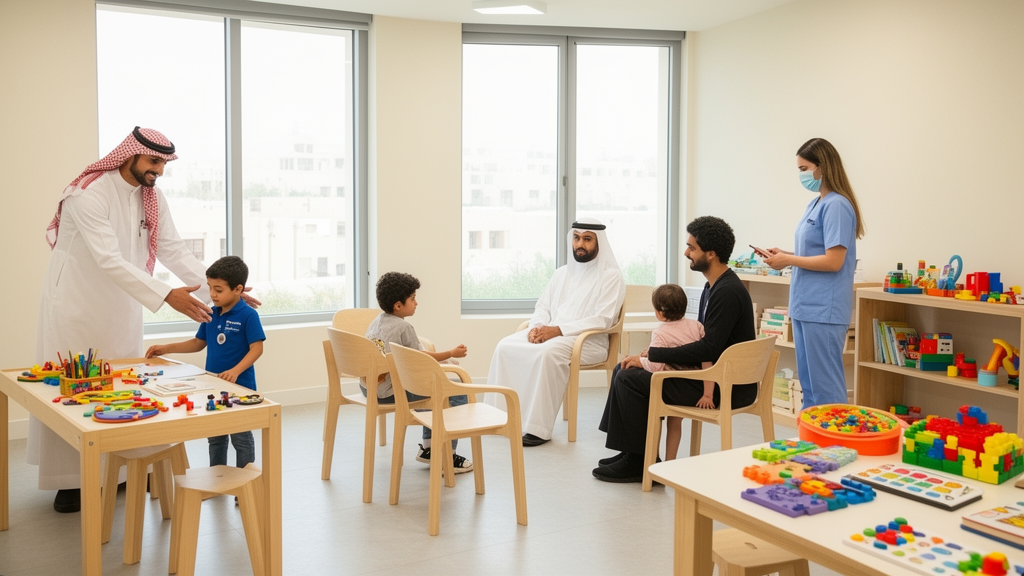
Healthcare providers at a specialist autism center in Jeddah, Saudi Arabia, identified substantial gaps in services intended to help autistic adults develop daily-living skills, participate in community life and form relationships. In a qualitative study, 20 providers described limited community awareness and stigma, insufficient specialized resources, and inadequate training in practical life skills. They also emphasized family engagement, multidisciplinary service coordination, continuing professional development, and culturally responsive programs. These findings reflect providers’ perceptions of service barriers and priorities rather than measured changes in autistic adults’ independence or well-being.
The researchers conducted individual, semi-structured interviews with 10 nurses, five psychologists and five social workers at the First Autism Centre in Jeddah. Interviews lasted 30–45 minutes and took place face to face or through Microsoft Teams, depending on participant availability. A designated researcher conducted all interviews within each professional group to enhance consistency. The interviews were conducted in Arabic, audio-recorded, transcribed, translated into English and analyzed thematically.