Ijerph, Vol. 23, Pages 1252: Association Between Pre-frailty And Falls Among Community-dwelling Older Adults: A Cross-sectional Study Comparing Pre-frail And Robust Older Adults
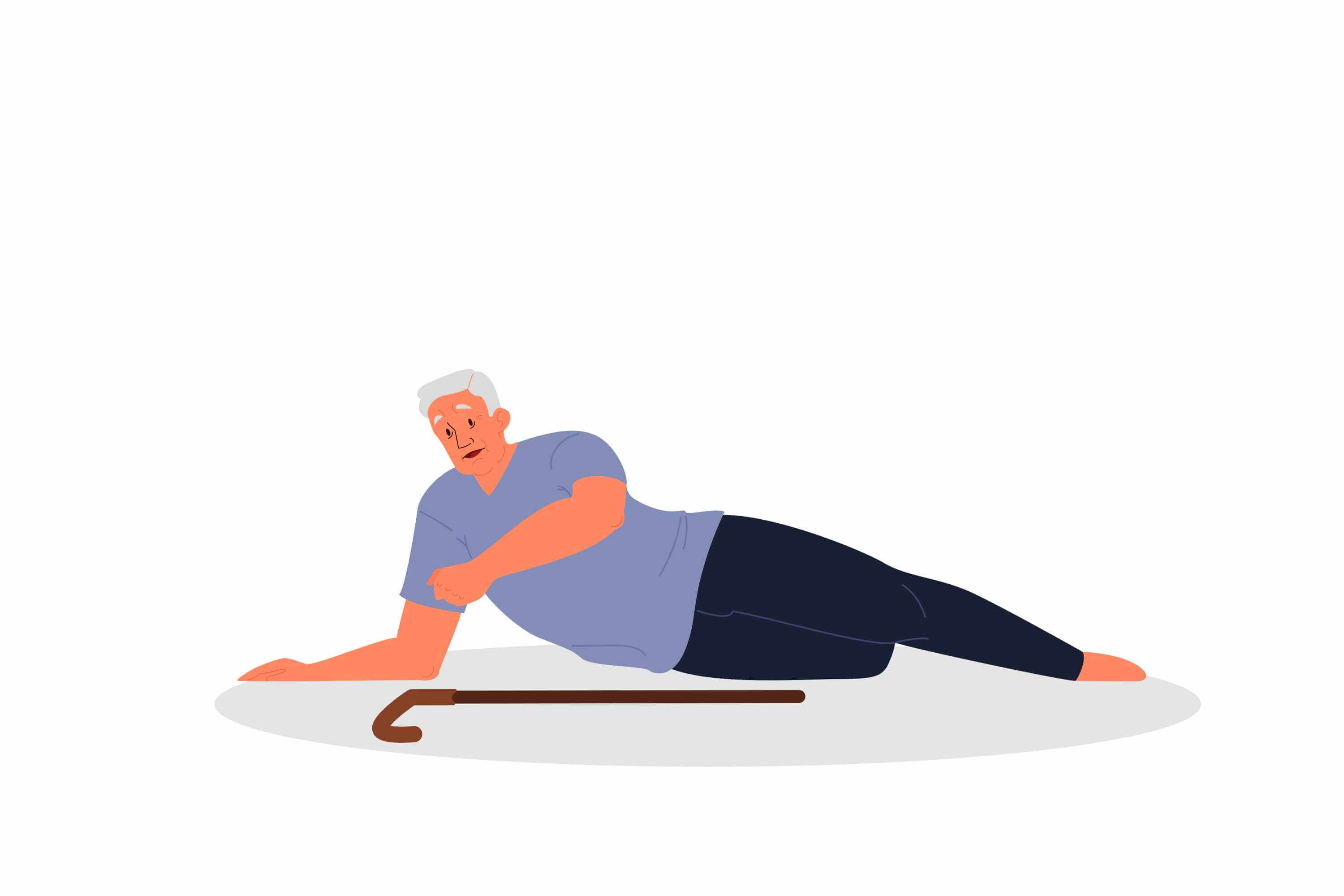
IJERPH, Vol. 23, Pages 1252: Association Between Pre-Frailty and Falls Among Community-Dwelling Older Adults: A Cross-Sectional Study Comparing Pre-Frail and Robust Older Adults
International Journal of Environmental Research and Public Health doi: 10.3390/ijerph23101252
Authors: Akihiko Murayama Ken Hirukawa Tomoyuki Shinohara
Background/Objectives: Pre-frailty may represent an important stage for fall prevention before the development of frailty; however, its association with falls, particularly in comparison with robust status, remains insufficiently understood. In this cross-sectional study, we aimed to examine the association between pre-frailty and falls among community-dwelling older adults by comparing pre-frail and robust older adults. Methods: This cross-sectional study enrolled 218 community-dwelling older adults who participated in the survey between January 2024 and May 2025, of whom 192 were included in the analysis. Data were collected on age, sex, multimorbidity, Japanese Cardiovascular Health Study (J-CHS) criteria, Brief-Balance Evaluation Systems Test scores, Rapid Dementia Screening Test scores, Communicative and Critical Health Literacy scale scores, and falls within the previous year. Binary logistic regression analysis was conducted in the fall group using the forced-entry method, with fall reports within the past year (falls/non-falls) as the dependent variable and the J-CHS criteria (robust/pre-frail) as the independent variable. Two adjustment variables were pre-specified: age and multimorbidity. Results: After excluding three individuals with missing data (listwise deletion), 14 long-term care insurance users, and nine older adults with frailty, 192 participants (mean age, 76.2 ± 6.1 years; 58 men and 134 women) were included in the analysis. Of these, 35 (18.2%) reported a fall within the past year. In binary logistic regression analysis, with robust status as the reference category, pre-frail participants had higher odds of reporting a fall within the past year than robust participants (odds ratio, 2.72; 95% confidence interval, 1.18–6.28). Conclusions: Although some older adults with pre-frailty may recover spontaneously, pre-frailty was independently associated with falls within the past year after adjustment for age and multimorbidity. Given the cross-sectional design, temporal and causal relationships cannot be established. Prospective studies are needed to determine whether pre-frailty predicts future falls and to evaluate the potential contribution of pre-frailty assessment to fall-risk prediction.
Popular Products
-
 Electronic String Tension Calibrator ...
$41.56$20.78 -
 Pickleball Paddle Case Hard Shell Rac...
$27.56$13.78 -
 Beach Tennis Racket Head Tape Protect...
$59.56$29.78 -
 Glow-in-the-Dark Outdoor Pickleball B...
$49.56$24.78 -
 Tennis Racket Lead Tape - 20Pcs
$51.56$25.78