From Fear To Freedom: How Fall Detection Tech Helps Older Adults Stay Active And Confident
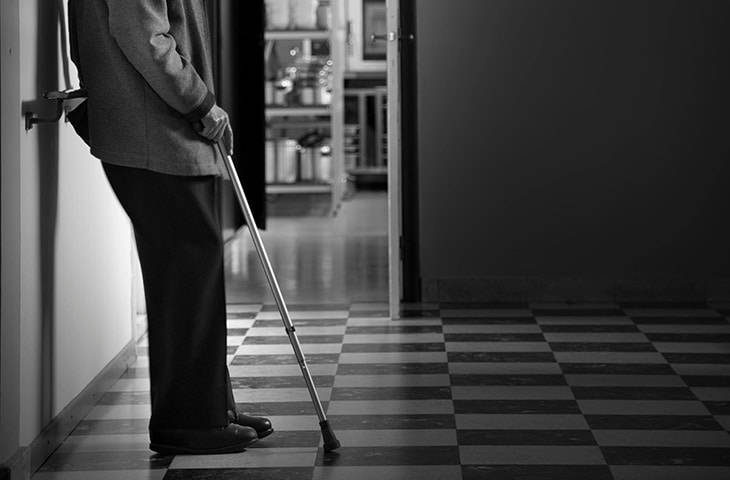
When we think about wellbeing, we often picture healthy eating, gentle exercise, or mindfulness. But for many older adults, there’s another aspect of wellbeing that matters just as much: feeling safe and confident while moving around their own home.
The fear of falling, even before a single incident has occurred, can have a huge emotional impact. It often leads to people withdrawing from daily activities they used to enjoy, such as gardening, walking, or visiting friends. The good news is that today’s technology is quietly helping to turn that fear into freedom.
Understanding the emotional toll of falling
It’s easy to focus on the physical injuries that a fall can cause, but the psychological effects can linger much longer. According to the UK’s NHS, around one in three adults over 65 will experience at least one fall each year, and many report a lasting fear of falling again. That fear can create a cycle of inactivity because people move less to avoid falling, but that inactivity then weakens muscles and balance, making another fall more likely.
Source: NHS – Preventing Falls in Older People
This hidden anxiety can gradually erode a person’s quality of life. Loved ones may notice subtle changes like hesitance to climb stairs, avoiding outings, or declining invitations. What’s really happening is a quiet loss of confidence and independence.
From cautious to confident: a mindset shift
Fall prevention used to be mainly about modifying the home environment such as removing loose rugs, adding grab rails, and improving lighting. Those steps are still vital, but wellbeing experts now recognise that confidence plays a major role in preventing falls too.
When people feel secure, they move more naturally. They’re less tense, more active, and more engaged. Restoring that sense of control is what makes the latest fall detection technology so powerful and not just because it reacts to falls, but because it helps prevent the fear that causes people to hold back from living fully.
How fall detection technology works
Modern fall detection watches like the ones sold by Perfect Alert use clever motion sensors and algorithms to detect when a fall has occurred. If a sudden, unusual movement is detected, such as a hard impact or a fast downward motion, the watch automatically sends an alert to family members or carers.
Many models also combine fall detection with features like GPS tracking, heart rate monitoring, and two-way communication. That means if a fall happens, help can be on the way instantly; no need to fumble for a phone or press a panic button. For those living alone, it’s a reassuring safety net that stays with them wherever they go.
But the real benefit isn’t just the technology itself, it’s the confidence it restores. Knowing that help will come if something goes wrong allows people to move more freely and continue doing the things that bring them joy.
Independence is part of wellbeing
We often talk about “active ageing”, but activity means more than steps or exercises. It’s about purpose: cooking your own meals, tending to your garden, walking to the post office, or spending time with grandchildren. Each of these small daily acts reinforces independence, which is deeply tied to wellbeing.
Fall detection devices don’t replace human care or connection; they enhance it. They give families peace of mind without making older adults feel monitored or restricted. That’s a crucial distinction. When technology is designed with dignity in mind, it becomes empowering rather than intrusive.
Holistic fall prevention: body, mind, and environment
Of course, no device can eliminate every risk. Fall prevention still works best when combined with broader lifestyle support:
- Strength and balance exercises – Simple daily routines like standing on one leg, gentle squats, or chair-based movements can improve coordination and stability.
- Regular health checks – Vision, hearing, and medication reviews can all help identify underlying causes of imbalance or dizziness.
- Safe surroundings – Good lighting, clutter-free walkways, and sturdy footwear are simple but effective ways to reduce hazards at home.
Source: Age UK – Staying Steady: Exercises and Advice to Prevent Falls
By combining these everyday practices with smart technology, families can create a layered approach that supports both physical and emotional wellbeing.
Stories of reassurance
Many families describe a shared sense of relief after introducing fall detection devices. One daughter told us that before her father began wearing a fall detection watch, she would call him every morning and evening just to make sure he was okay. “Now,” she said, “I still check in, but it’s out of love, not fear.”
That small shift – from anxiety to reassurance – ripples through the entire family. It means conversations can focus on how he’s been spending his day, not whether he’s been safe.
Freedom through connection
In the end, fall detection technology isn’t really about gadgets; it’s about connection. It links people to help when they need it and gives them the confidence to stay connected to life, to friends, to hobbies, to the world outside their front door.
That’s the essence of wellbeing: feeling capable, secure, and free to live life on your own terms. For many families, technology like Perfect Alert is helping to make that possible.
The post From Fear to Freedom: How Fall Detection Tech Helps Older Adults Stay Active and Confident appeared first on Wellbeing Magazine.
Popular Products
-
 Wireless Health Tracker Smart Ring - R11
$131.56$65.78 -
 Electric Hair Straightener and Curlin...
$161.56$80.78 -
 Pet Oral Repair Toothpaste Gel
$59.56$29.78 -
 Opove M3 Pro 2 Electric Massage Gun
$901.56$450.78 -
 Portable Electric Abdominal Massager ...
$45.56$22.78