After Brain Injury, Older Adults Who Need Rehab Most Often Miss Out

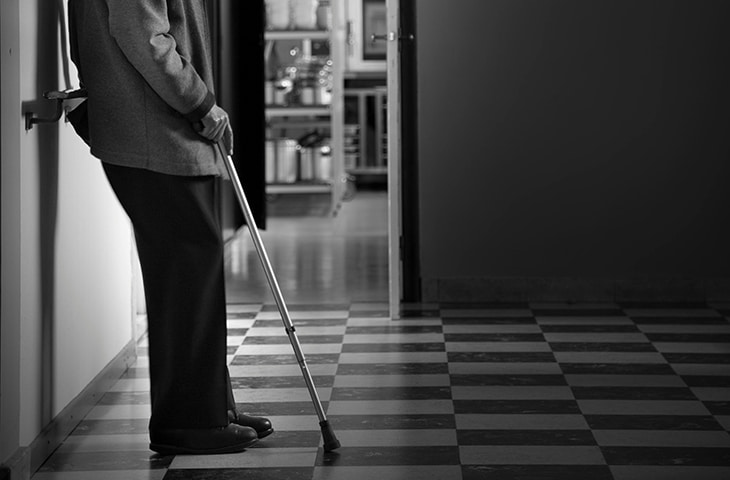
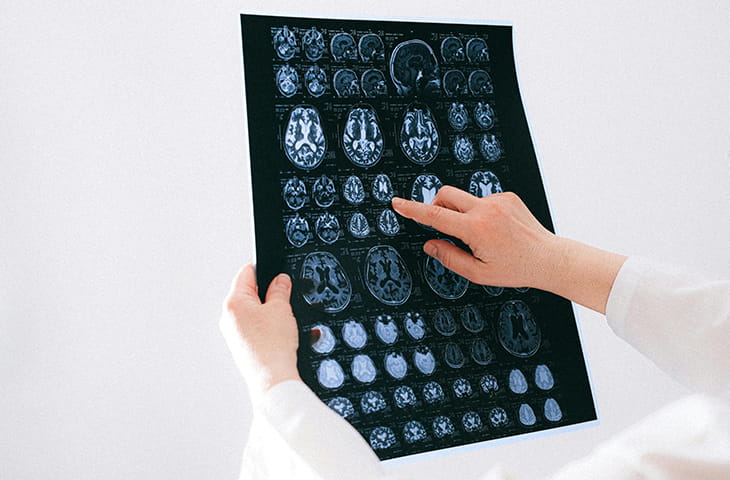
When an older adult survives a traumatic brain injury, the road home is rarely smooth. Many leave inpatient rehabilitation facilities still struggling with basic self-care tasks such as dressing, bathing, and feeding themselves, and with mobility limitations that make stairs, sidewalks, and even bathroom transfers hazardous. The therapies designed to close those gaps—occupational therapy for self-care and physical therapy for mobility—are supposed to continue in the community through home health agencies or outpatient clinics. But a sweeping new analysis of Medicare data suggests that the patients who need this care most are often not the ones who get it, and that factors having nothing to do with medical need are quietly deciding who recovers and who stalls.
The study, published in the Journal of General Internal Medicine, followed 23,036 community-dwelling older adults who received inpatient rehabilitation for traumatic brain injury between 2020 and 2022. Led by Adam R. Kinney, an occupational therapy researcher at the University of Colorado and the VA Rocky Mountain Mental Illness Research, Education, and Clinical Center, the team linked Medicare claims with standardized functional assessments collected at discharge from inpatient rehabilitation facilities. That linkage is what gives the study its power: instead of inferring need from diagnoses, the researchers could measure exactly how impaired each patient was in self-care and mobility at the moment they left the hospital-based rehab unit, then track which community services each person actually received over the following 90 days.