Reading The Room
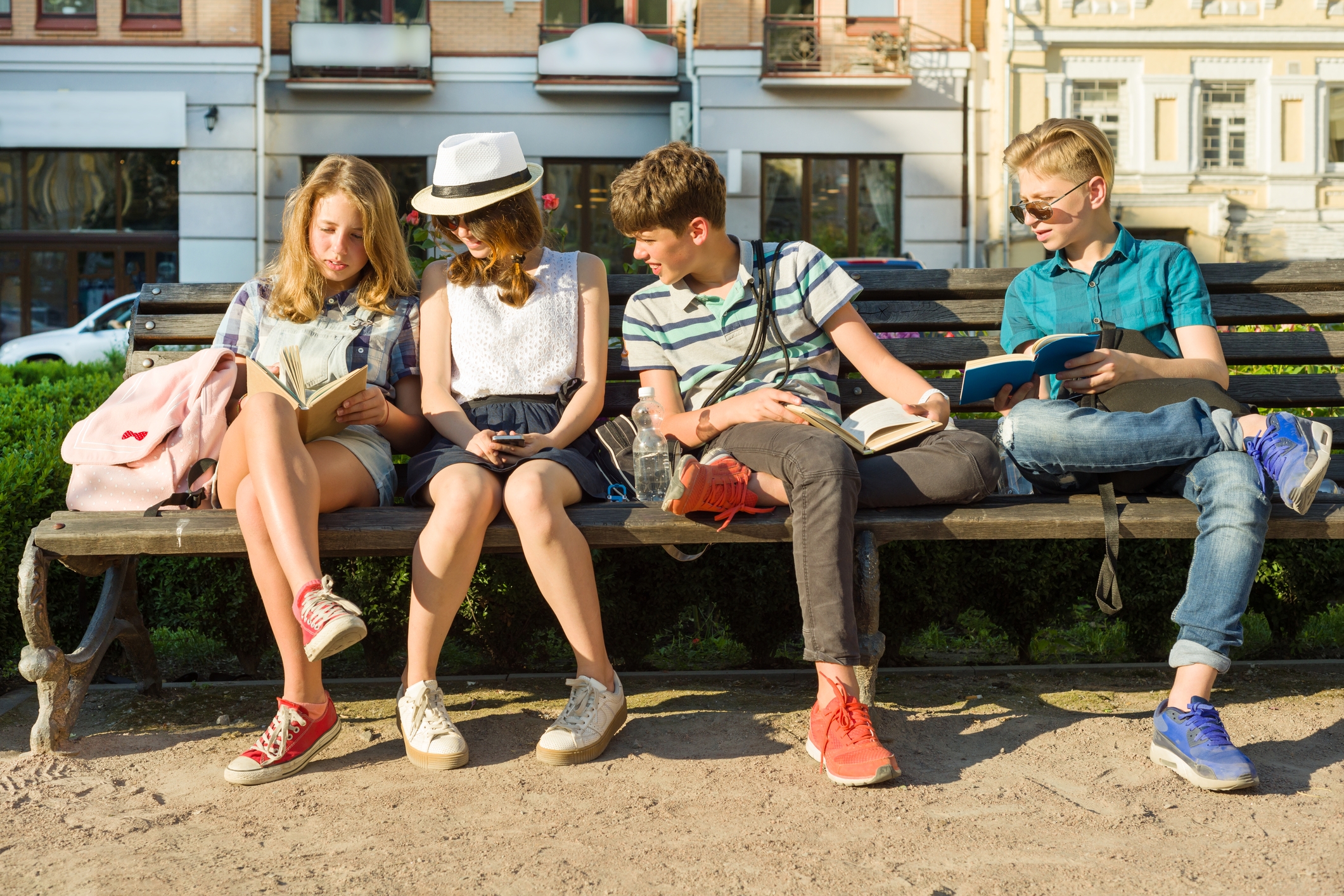
Teenagers read worse than they did, the newest PISA scores find. Ban their social media if you like; the adults, who vote, fare no better.
Amidst a deluge of short-form video content across so many different social media channels, content which these days can cover anything from politics to food, sport to travel, dating advice to film reviews, can anyone still be bothered to actually read anything? The evidence put forward by the latest results of the Organisation for Economic Co-operation and Development’s (OECD) PISA scores is that the next generations are increasingly disinclined (or able) to do so. More than 760,000 15-year-olds took the PISA science, mathematics and reading test in 2025, across 91 countries and economies. While overall performance of OECD members (mainly rich countries) declined across all three disciplines, the fall in reading performance was the most notable, with scores falling in skills that matter most in the AI age: evaluating information, making connections across multiple sources, and thinking critically about what we read. What’s more, instances of what the OECD calls ‘hasty reading’ (in which students read quickly but inaccurately) nearly doubled to nine per cent between 2018 and 2025. This does not bode well for the immediate future.