The Retirees Who Took A Reverse Mortgage Say The Part Nobody Warned Them About Came Years Later
The post The Retirees Who Took a Reverse Mortgage Say the Part Nobody Warned Them About Came Years Later appeared first on 24/7 Wall St..
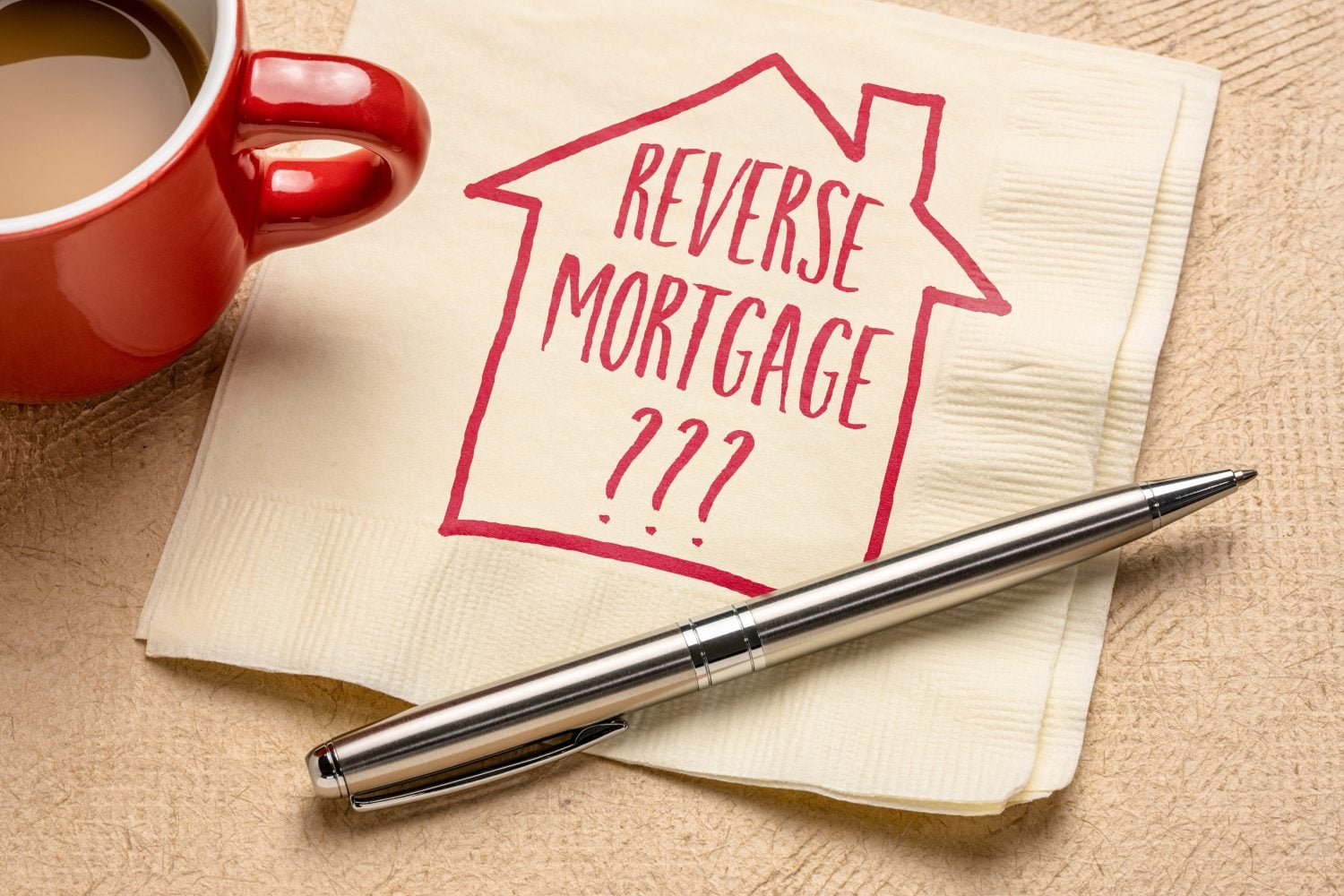
Reverse mortgage consequences surprise borrowers years later: a hospital stay becomes a nursing home admission, a younger spouse faces an empty house they cannot keep, or property taxes go unpaid. This piece examines what the Home Equity Conversion Mortgage program actually does on that longer timeline, using the HUD Housing Counseling Program Handbook as the source of record.
What the Handbook Actually Says About Ownership Start with the misconception that refuses to die: the lender does not own the home. The HUD Housing Counseling Program Handbook states that “throughout the term of a reverse mortgage, the borrower retains ownership of the home” and title remains with the borrower or the borrower’s estate until the home is sold. HECMs are non-recourse, so if the balance exceeds the property’s value, the lender’s recovery is limited to the home itself.
More Caregiving stories