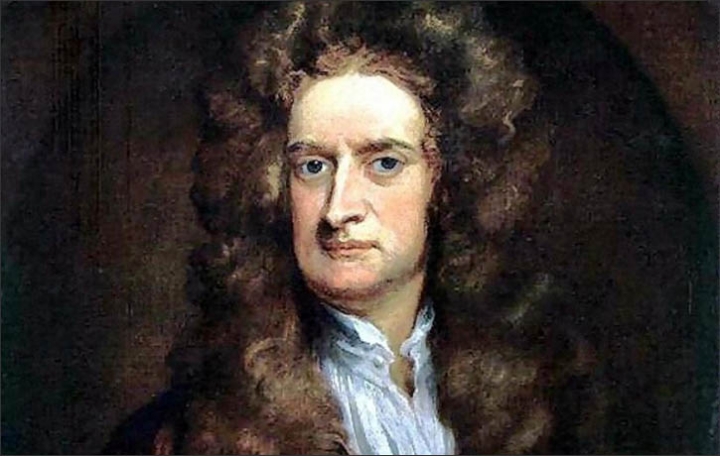
How Isaac Newton Lost $3 Million Dollars In The “south Sea Bubble” Of 1720: Even Geniuses Can’t Prevail Against The Machinations Of The Markets
The Aristotelian notion of “man” as a “rational animal” has seen its share of detractors, from the Cynics to Bertrand Russell to nearly the whole of Poststructuralist thought. Leave it up to Oscar Wilde to compress the debate between intellect and passion into a pithy aphorism: “Man is a rational animal who always loses his temper when he is called upon to act in accordance with the dictates of reason.”
We no longer need clever verbal barbs to refute too-optimistic assessments of human behavior. Economics is catching up: we have the language of neuroscience and psychology, which consistently tells us that humans decidedly do not behave rationally very often, but are driven by bias and biology in inexplicable ways. And for over a hundred years now, we’ve known that the clockwork Newtonian view of the physical universe turns out to be a much messier and indeterminate affair, as does the universe of the human mind.
More Business stories