Beyond Demographics: Behavioral Customer Segmentation
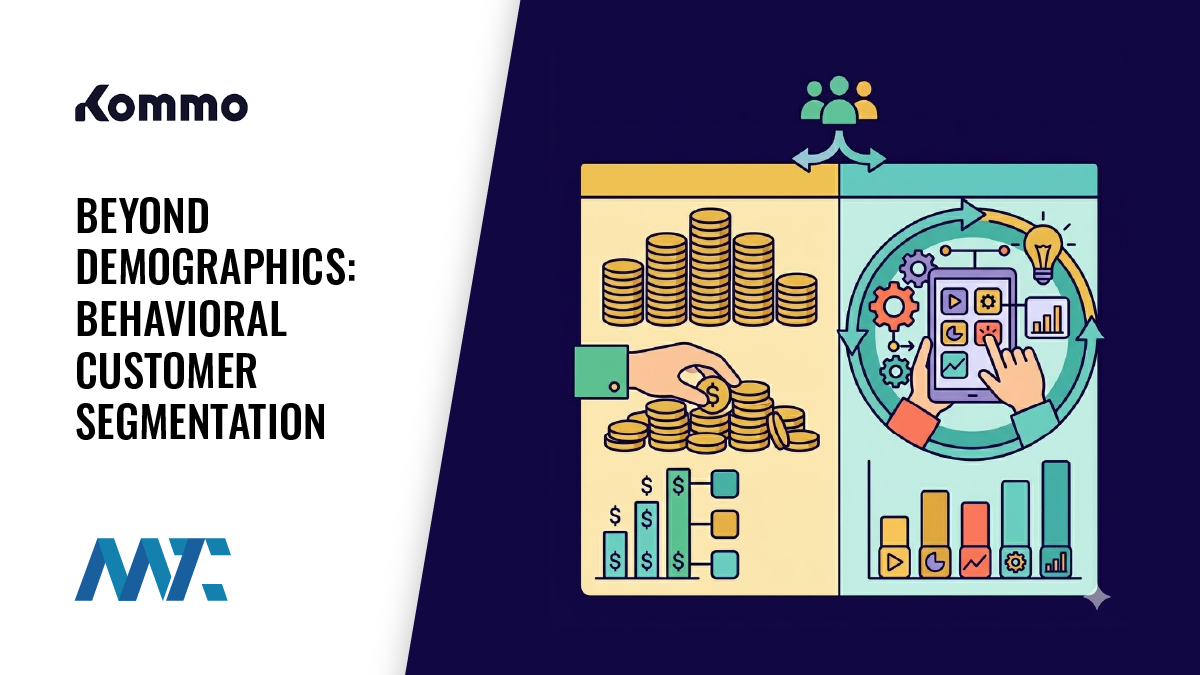
For a long time, businesses turned to demographics like age, gender, and location to understand their customers. While this data offers a starting point, it often misses the crucial why behind people’s actions. And today, that deeper understanding is essential. This is where behavioral customer segmentation comes in, offering a more insightful way to connect with your audience.
At its core, behavioral customer segmentation looks at what customers do. It groups them based on their interactions and engagement with a product, service, or brand, rather than just who they are on paper. This shift in focus can unlock fresh perspectives for marketing, product creation, and the overall customer journey. By understanding behaviors, companies can fine-tune their approach, making their communication more relevant and building more solid relationships.
Understanding the Why behind the What: The Core of Behavioral Customer Segmentation
Behavioral customer segmentation shifts the focus from just describing your audience to understanding their motivations. It means looking beyond surface details to find patterns that hint at future actions. This deeper insight helps businesses create more personal and effective experiences.
Moving Past Surface-Level Data
Demographics are useful for general outlines, but they don’t tell the whole story. Think about two people with the same age, gender, and income. One might be a loyal customer, the other a one-time buyer. Demographics alone don’t explain why.
Behavioral data, on the other hand, can show the different paths these customers took, like their engagement, features used, or content viewed. This approach lets businesses look past assumptions. For example, if many users abandon carts at a certain step, it signals a possible issue to look into. Likewise, knowing which content users engage with helps shape your content strategy. This level of detail is even more powerful when you are capturing TikTok Business engagement, as the specific ways users interact with short-form video provide immediate behavioral signals that traditional metrics often miss. Such a detailed understanding is vital for good customer segmentation.
Gathering and making sense of these signals often needs centralized data management. Businesses wanting to bring together customer interactions and discovery data might find that unified systems are helpful for this. They can act as a central point for understanding customer actions across all modern touchpoints.
Key Benefits of Looking at Behavior
Focusing on behavior offers several benefits for a company’s results and customer loyalty. A key benefit is more personal marketing. When you know what a customer has bought or shown interest in, you can make your messages highly relevant, boosting engagement and conversions.
It also helps keep customers. Tracking usage helps spot customers who might leave. For instance, a drop in activity could prompt a targeted message with support or an offer to re-engage them. Being proactive here is better than trying to win back lost customers.
For this type of personal touch, direct communication and storefront synchronization are useful. For brands in the retail space, optimizing digital storefront performance through Shopify allows you to send timely, personal messages to specific segments based on their actual shopping habits, significantly improving their experience.
Plus, this type of customer segmentation helps use resources more wisely. Instead of broad campaigns, businesses can target high-value groups, like frequent buyers or very engaged users. This improves ROI and ensures messages reach the right people.
Common Types of Behavioral Customer Segmentation and Their Applications
Behavioral customer segmentation isn’t a single idea; it includes different ways to group customers by their actions. Knowing these types helps businesses choose what behaviors matter most for their goals and use this info wisely.
Purchase Behavior: Uncovering Buying Patterns and Preferences
Looking at purchase behavior is a common and powerful type of behavioral customer segmentation. This means looking at how often people buy, how much they spend (AOV), what they buy, and where they are in their customer journey (new buyer, repeat, loyal). Understanding these patterns helps tailor promotions, recommendations, and loyalty programs.
For instance, a business might find a group of high AOV, infrequent buyers. The approach for this group will be very different from low AOV, frequent buyers. The first group might like exclusive offers on high-end items, while the second might prefer loyalty points or small discounts. It’s also key to spot customers who mostly buy during sales. They need a different message than full-price buyers. This shows how customer segmentation can be quite detailed.
Usage Behavior: How Customers Interact with Your Offerings
Usage behavior looks at how customers use a product or service. This is especially useful for SaaS, apps, and subscription services, but many businesses can use these ideas. Important things to track are how often features are used, how long sessions last, if main tasks are completed, and how users navigate. This info shows which features are popular and where users might be struggling.
For example, grouping users by feature use can help find power users (potential advocates) and casual users (who might need tutorials or guidance). If many new users leave after a certain onboarding step, that’s a red flag for product improvement or better support. Understanding usage isn’t just for marketing; it’s key for product development and better user experience. This makes it a vital part of good customer segmentation.
From Data to Action: Strategically Implementing Behavioral Customer Segmentation
Knowing the basics of behavioral customer segmentation is just the start. The real strength is in using it strategically—turning data into actions that boost growth and improve customer ties. Think of it as a cycle: customer actions shape business plans, and those plans improve the customer experience.
To do more than just collect data, you need a clear plan. First, set your goals: more retention, higher order values, better feature use? Your goals decide which behaviors to track. Next, make sure you have the right tools and methods to gather, group, and use this data. This could mean linking your analytics, CRM, and marketing tools for a complete view of customer behavior.
The main aim of behavioral customer segmentation is to build a more understanding and responsive connection with customers. By paying attention to their actions, you learn more about their needs and concerns. This helps you offer personalized experiences, making customers feel seen and valued.
As markets change and expectations grow, using behavioral insights will be crucial for success. Good customer segmentation becomes more than just a tactic; it’s a vital strategy.
©2026 DK New Media, LLC, All rights reserved | Disclosure
Originally Published on Martech Zone: Beyond Demographics: Behavioral Customer Segmentation
Popular Products
-
 Classic Oversized Teddy Bear
$23.78 -
 Gem's Ballet Natural Garnet Gemstone ...
$171.56$85.78 -
 Butt Lifting Body Shaper Shorts
$95.56$47.78 -
 Slimming Waist Trainer & Thigh Trimmer
$67.56$33.78 -
 Realistic Fake Poop Prank Toys
$99.56$49.78