The Future of Fitness: Trending Sports Accessories and Equipment Shaping Athletic Performance
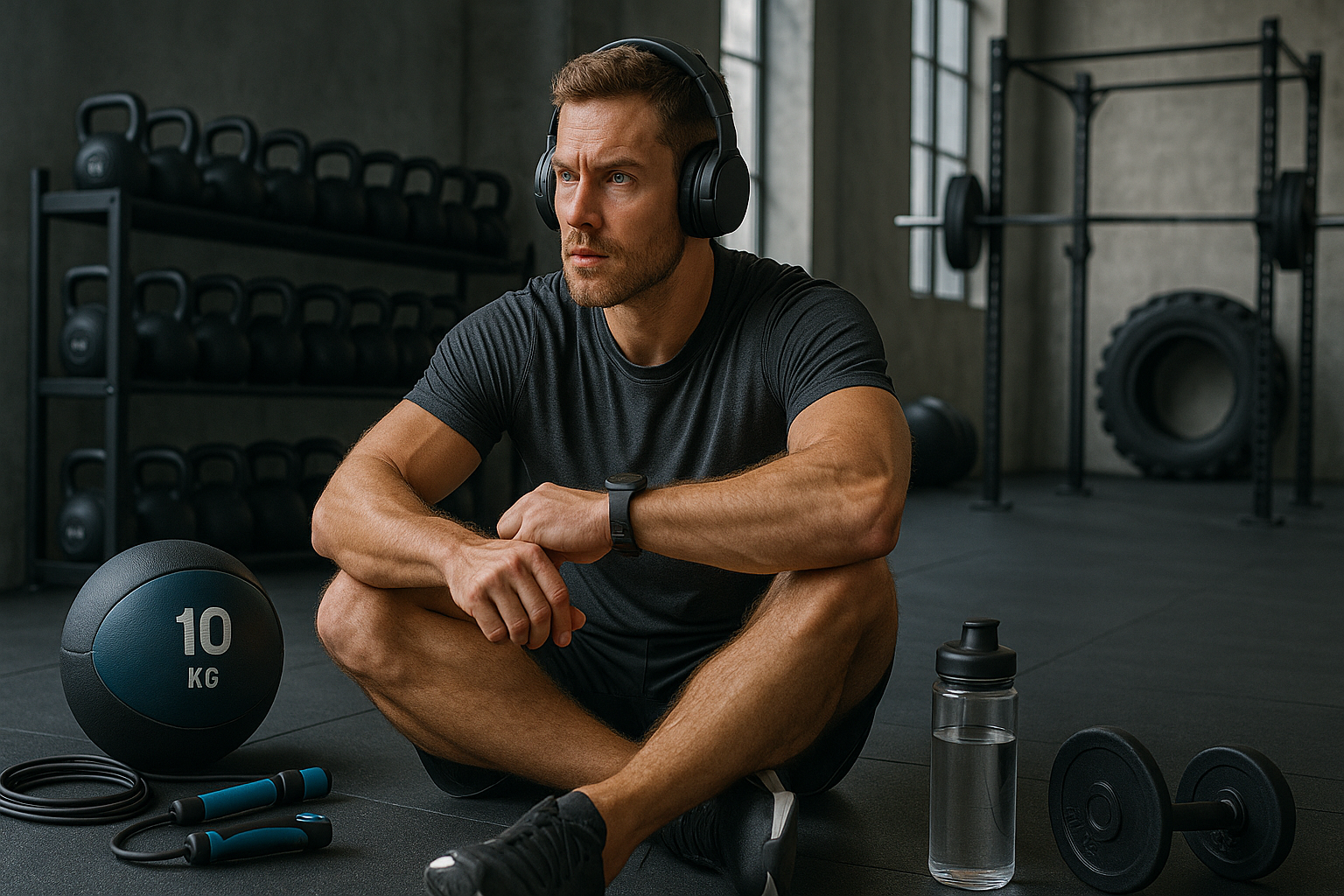
Smart gear reshaping sports performance
Sports are no longer just about physical strength or skill—they’re about data, precision, and intelligent design. In the past, athletes relied on instinct and repetition to improve performance. Today, they have technology as a teammate. From smartwatches that monitor recovery to shoes that adapt to your stride, innovation in sports accessories is transforming how athletes train, compete, and recover.
In 2025, wearable technology, AI-powered analytics, and sustainable materials are leading the charge. Whether you’re a professional athlete or a weekend runner, these advancements offer new ways to enhance performance, prevent injuries, and stay motivated.
The Rise of Wearable Technology in Sports
Wearable tech has become the backbone of modern athletic training. No longer limited to wristbands or fitness trackers, today’s devices are built into uniforms, helmets, and even mouthguards. These smart accessories collect real-time data on everything from heart rate and hydration to muscle strain and impact force.
How Wearable Tech Is Changing the Game:
- GPS-tracking vests provide detailed movement analytics, helping coaches assess positioning and effort.
- Impact-detecting mouthguards monitor head trauma in contact sports, reducing the risk of undiagnosed concussions.
- Sensor-embedded uniforms and shoes give real-time feedback on stride, speed, and muscle fatigue.
This data-driven approach helps athletes fine-tune their performance and allows medical staff to identify early warning signs of overexertion or injury. It’s technology that protects as much as it performs.
AI and Data Analytics: Smarter Training for Every Athlete
Artificial Intelligence is revolutionizing how athletes train. By analyzing massive amounts of performance data, AI provides personalized insights that help tailor workouts, manage fatigue, and prevent injuries.
AI’s Impact on Training and Recovery:
- Predictive analytics detect patterns that may signal injury risk, allowing for preventive adjustments.
- Smart coaching apps use AI to deliver personalized training plans that evolve with your progress.
- Machine learning algorithms analyze biomechanics, helping athletes refine techniques for efficiency and power.
The result is a training experience that’s not only more effective but safer and sustainable over the long term.
Immersive Training: VR and AR in Sports
Virtual Reality (VR) and Augmented Reality (AR) are making it possible to train smarter without physical strain. These technologies simulate real-world scenarios, allowing athletes to practice plays, tactics, and reactions in a controlled environment.
Applications of VR and AR in Sports:
- Tactical visualization: Teams use VR to simulate game situations and test strategies before stepping on the field.
- Skill development: Golfers, tennis players, and basketball players use AR overlays to refine posture and technique.
- Injury recovery: VR-based rehab programs help athletes regain mobility while minimizing stress on healing muscles or joints.
This blend of physical and digital training opens new dimensions in sports performance—one where visualization and analytics work hand in hand.
Smart Sport Watches: The New Standard for Precision
Smart sport watches continue to be one of the most popular and versatile pieces of athletic tech. Today’s models go far beyond counting steps or monitoring heart rate. They offer advanced recovery metrics, long battery life, and seamless connectivity with other training devices.
Top Features of Modern Smartwatches:
- Recovery tracking: Monitors sleep, stress, and oxygen levels to optimize rest days.
- Advanced GPS: Maps performance routes and location accuracy down to the meter.
- Training readiness scores: Uses AI to recommend workout intensity based on fatigue levels.
These devices turn every workout into actionable data, helping users train smarter, not harder.
Performance Footwear: Where Comfort Meets Innovation
Footwear has always been a crucial part of sports performance, but new materials and designs are pushing boundaries further than ever. The latest generation of athletic shoes combines lightweight construction with advanced cushioning and biomechanical support.
What’s New in Athletic Footwear:
- Energy-returning midsoles that enhance speed and efficiency.
- Adaptive traction soles that respond to surface and motion changes.
- 3D-printed shoe components that allow for customized fit and performance balance.
Many leading brands like Nike, Adidas, and Puma are also integrating embedded sensors into footwear. These sensors measure pressure distribution and gait mechanics, offering athletes and trainers new insights into movement patterns and performance improvement.
The Sustainable Shift in Sportswear
Sustainability is no longer a trend—it’s a responsibility. Sports brands are now combining eco-friendly materials with cutting-edge performance features. Consumers increasingly expect their gear to support both their goals and the planet.
Sustainable Trends in Sports Accessories:
- Recycled fabrics and bio-based fibers in performance wear.
- Durable, modular designs that extend product lifespan.
- Solar-powered and energy-efficient devices that reduce waste and energy use.
This shift demonstrates that athletic innovation doesn’t have to come at the expense of the environment. In fact, sustainability and performance now go hand in hand.
The Market Outlook: A Billion-Dollar Evolution
The sports accessories market is booming, driven by digital integration and a growing focus on health and performance. Analysts project the global sports accessories market will reach approximately USD 125 billion by 2035, with wearable technology and AI leading the surge.
What’s Fueling This Growth:
- Increasing adoption of smart training gear among both amateur and professional athletes.
- Rising awareness of injury prevention and wellness tracking.
- Continuous investment by industry giants like Nike, Adidas, Puma, and New Balance in connected sports technology.
The Internet of Things (IoT) is also playing a key role, linking smart devices to create a seamless ecosystem for data-driven performance. This means every movement, heartbeat, and stride can now be part of a larger performance picture.
How Athletes Benefit: Data, Safety, and Personalization
The true value of these innovations lies in how they empower athletes. Real-time monitoring, intelligent feedback, and adaptive design work together to create a holistic approach to performance.
Key Benefits Include:
- Enhanced safety: Sensors detect impacts and fatigue before injuries occur.
- Personalized insights: AI tailors training programs to individual physiology.
- Faster recovery: Smart devices monitor rest and suggest recovery improvements.
- Motivation and engagement: Gamified feedback systems keep athletes inspired and consistent.
This ecosystem of technology doesn’t replace human expertise—it enhances it, giving coaches, trainers, and athletes the tools they need to perform at their best.
Practical Tips for Choosing Smart Sports Gear
With so many options available, choosing the right smart gear can feel overwhelming. Here are a few tips to help you find the best fit for your needs:
- Start with your goals. Identify whether you’re training for endurance, speed, or recovery to select gear that aligns with your focus.
- Check compatibility. Ensure your devices can sync with your smartphone or training apps for seamless data tracking.
- Prioritize comfort. Even the smartest gear is useless if it’s uncomfortable or distracting.
- Look for credible reviews. Choose products from reputable brands with proven track records in performance and durability.
- Consider sustainability. Opt for eco-friendly materials and brands committed to reducing their environmental footprint.
Selecting the right tech isn’t about having the most expensive gear—it’s about finding what enhances your training without complicating it.
Conclusion: The Next Chapter in Athletic Innovation
Sports accessories have come a long way from simple wristbands and running shoes. The next generation of gear is intelligent, responsive, and deeply connected to data-driven performance. Wearable tech, AI, and sustainability are not just trends—they represent the future of how athletes train, recover, and evolve.
For every player, runner, cyclist, or weekend warrior, these innovations make sports more exciting, personalized, and safer than ever. The fusion of technology and athletics isn’t just changing how we play—it’s redefining what’s possible.
Popular Products
-
 Classic Oversized Teddy Bear
$23.78 -
 Gem's Ballet Natural Garnet Gemstone ...
$171.56$85.78 -
 Butt Lifting Body Shaper Shorts
$95.56$47.78 -
 Slimming Waist Trainer & Thigh Trimmer
$67.56$33.78 -
 Realistic Fake Poop Prank Toys
$99.56$49.78