Should You Get a Usage-Based Car Insurance?
Is Usage-Based Car Insurance Worth It?
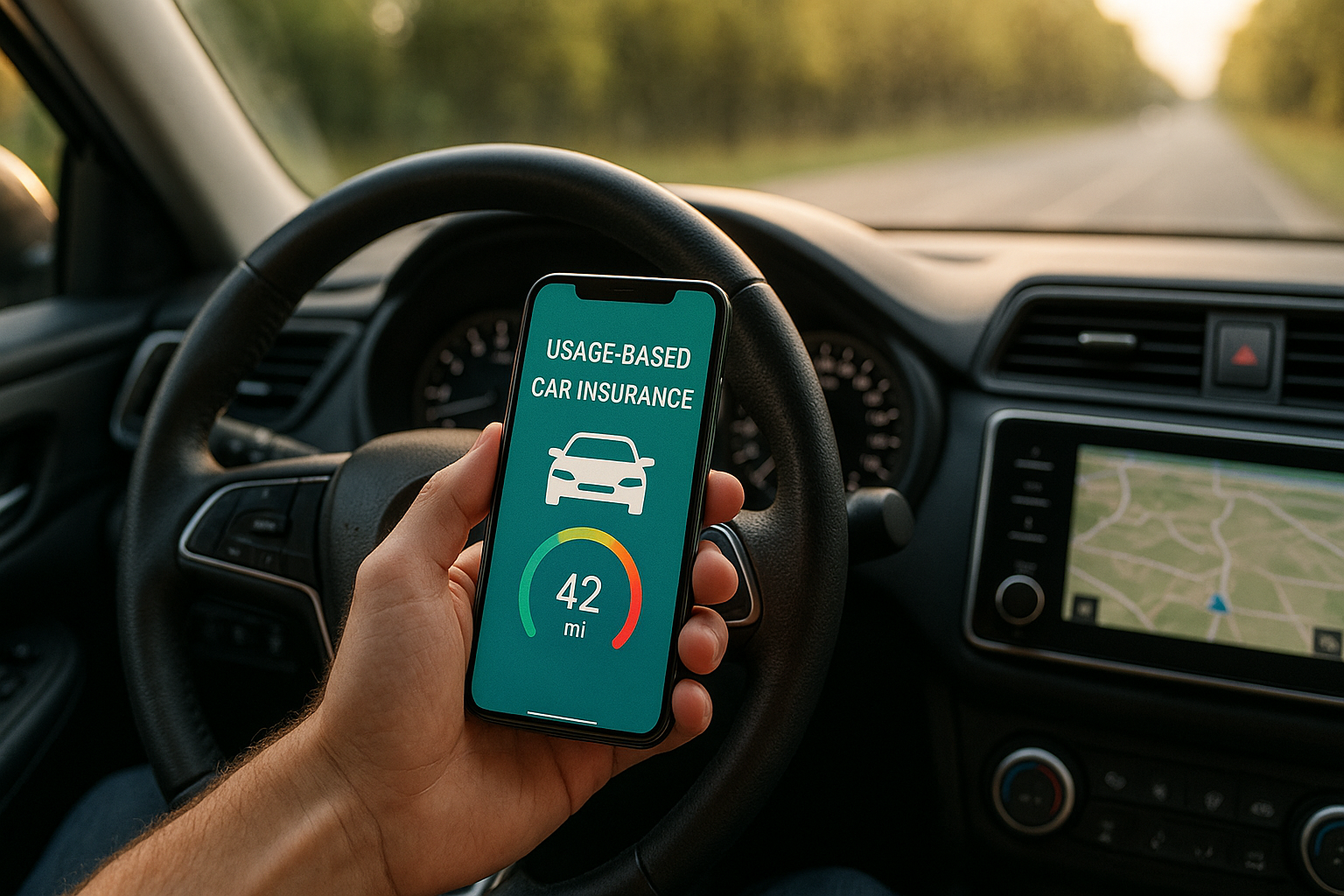
If you’re spending less time behind the wheel—whether due to retirement, remote work, or simply driving less—you may have wondered if usage-based car insurance could be a smart way to save some cash. This type of policy allows your insurance company to collect driving data. In return, careful and low-mileage driving can translate into lower insurance fees compared to traditional flat-rate premiums.
In this guide, we’ll break down everything you need to know about usage-based car insurance. You’ll discover the key pros and cons, how it works, and whether it’s truly the right fit for your lifestyle and budget.
How Usage-based Car Insurance Works?
Usage-based insurance (UBI) is a type of car insurance where your premium is determined by how you actually drive rather than just standard factors like age, location, or vehicle type. It works through technology such as a plug-in device, a mobile app, or your car’s built-in telematics system, which monitors your driving in real time. The data collected is then used by your insurer to calculate your rate. Safer and less frequent driving usually leads to lower insurance costs, while riskier habits may result in fewer savings or even higher rates.
Here are the common types of data and driving behaviors it tracks:
- Mileage – how many miles you drive.
- Speed – how fast you go compared to limits.
- Braking patterns – hard or sudden braking.
- Acceleration – rapid or aggressive starts.
- Time of day – whether you drive during safer daylight hours or late at night.
- Trip duration – length and frequency of your drives.
- Location data (sometimes) – areas where you drive, such as high-traffic or accident-prone zones.
Benefits of Usage-based Car Insurance
Lower premiums: Usage-based insurance often reduces costs for drivers who log fewer miles or practice safe driving habits. Since premiums are tied directly to actual driving behavior, careful drivers may pay much less than with traditional policies.
Rewards for safe driving habits: Good driving habits—like smooth braking, steady speeds, and obeying limits—are recognized and rewarded with lower rates. This means your responsible behavior behind the wheel directly translates into savings.
More fairness in pricing: Unlike standard insurance that relies heavily on age, gender, or location, usage-based models assess your personal driving style. This ensures your premium reflects your actual risk level rather than broad averages.
Encourages safer driving: Knowing that your driving is being monitored motivates many people to drive more cautiously. Over time, this can lead to fewer accidents and safer roads for everyone.
Drawbacks of Usage-based Car Insurance
Privacy and data concerns: UBI collects detailed driving data—such as location, time of day, speed, and phone use—that some drivers consider intrusive. Check what’s captured, how long it’s kept, and whether it’s shared or used for purposes beyond discounts.
Risk of rate increases: While safe driving can lower costs, risky behaviors like speeding or harsh braking may cause premiums to rise. This makes it a gamble for drivers who aren’t consistently cautious.
Mixed driving from multiple drivers: If several people use the same car, everyone’s driving behavior is tracked under one policy. A single aggressive driver can cancel out the savings earned by a safer one.
Limited availability: Not all insurers offer usage-based policies, and availability can vary by state or region. This means drivers may not have access to the program even if it would benefit them.
Technology dependency / possible errors: Telematics relies on phones or devices that can lose signal, drain batteries, or misclassify events. GPS drift, faulty speed-limit maps, or sensor glitches can unfairly affect your score.
Context blind spots: Defensive braking or unavoidable maneuvers may still be flagged as harsh driving and lower your score. Construction zones, sudden hazards, or mismatched speed limits aren’t always recognized by the algorithm.
Tips for Deciding
Choosing usage-based car insurance isn’t just about saving money—it’s about making sure the policy fits your lifestyle and comfort level. Before signing up, take time to evaluate your driving habits, compare options, and understand how your data will be used. Here are some key tips to guide your decision:
Check your annual mileage
If you don’t spend much time on the road, you’re in a strong position to save. Usage-based plans often reward low-mileage drivers.
Audit your driving pattern and habits
Look at how you drive—do you often brake hard, drive at night, or take long trips? Riskier patterns could reduce your savings or even raise rates under a usage-based plan.
Compare quotes with traditional policies
Don’t assume usage-based coverage is always cheaper. Request quotes from both traditional and usage-based policies to see which offers better value for your needs.
Ask the insurer about data usage and privacy
Find out exactly what data is being collected and how it will be used. This helps you decide if you’re comfortable with the level of monitoring involved.
Start with a trial program if available
Some insurers allow a short test period where they track your driving but don’t yet adjust your rate. This gives you a risk-free way to see if usage-based insurance makes sense for you.
Bottom Line
Get usage-based car insurance if you drive less than average and don’t mind telematics—it's often cheaper for low mileage and smooth habits. If you rack up miles, drive at night or in heavy traffic, or dislike tracking, a traditional policy is usually better. Always compare side-by-side quotes with your real mileage, check for surcharges/fees, and review the privacy policy.
Popular Products
-
 Classic Oversized Teddy Bear
$23.78 -
 Gem's Ballet Natural Garnet Gemstone ...
$171.56$85.78 -
 Butt Lifting Body Shaper Shorts
$95.56$47.78 -
 Slimming Waist Trainer & Thigh Trimmer
$67.56$33.78 -
 Realistic Fake Poop Prank Toys
$99.56$49.78