Is Your Loved One Safe? Why Fall Detection Devices Are Worth It
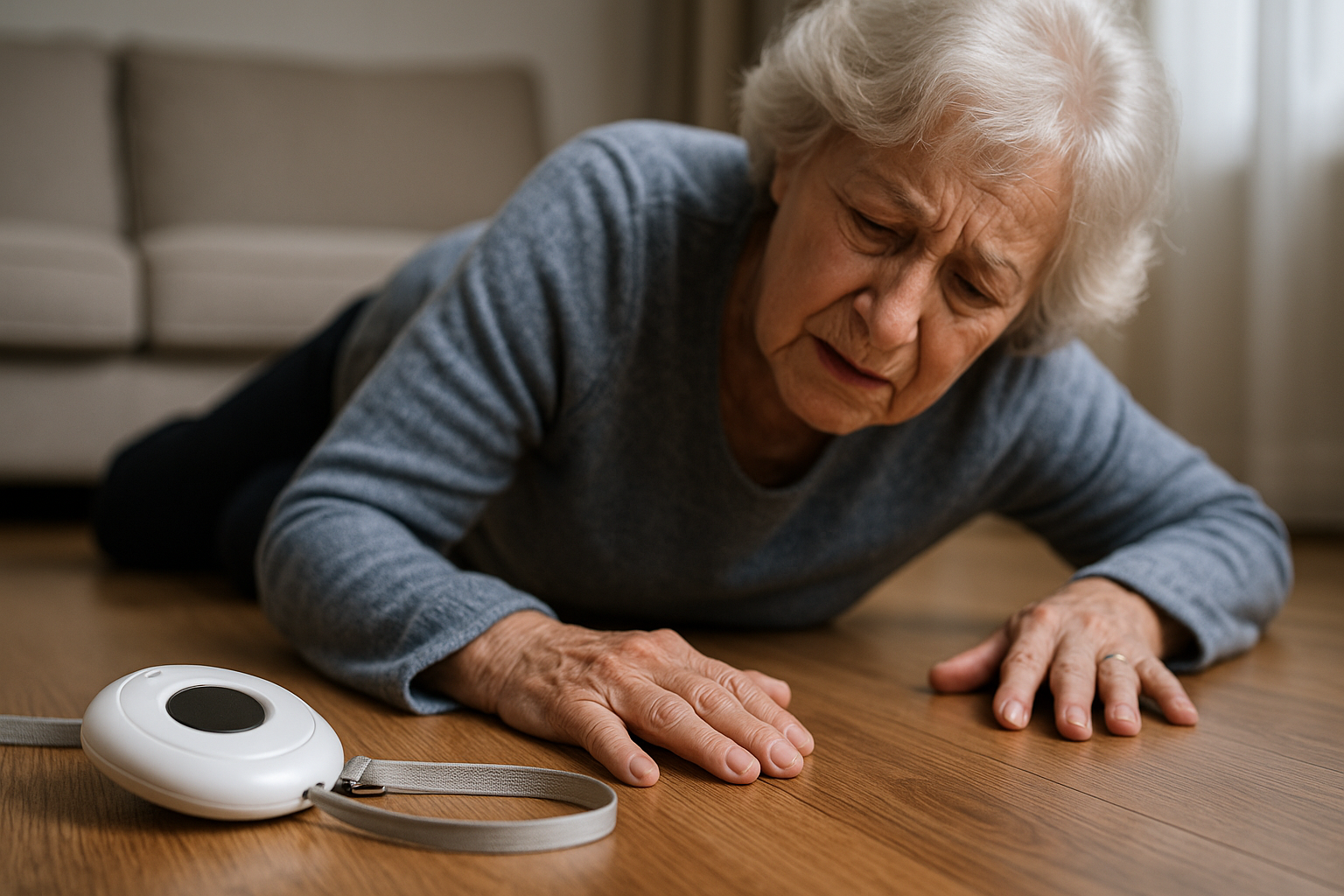
Smart safety for your loved one’s peace of mind
It’s a common worry for families with aging parents — the fear of what might happen if they fall and no one is there to help. Whether your loved one lives alone or spends time at home while you’re at work, that “what if” question can weigh heavily on your mind.
Falls are more than just minor accidents. They’re one of the leading causes of injury among older adults, often resulting in broken bones, long hospital stays, and lasting emotional trauma. Fortunately, modern technology offers a powerful safety net — fall detection devices that can automatically alert help when it’s needed most.
Understanding the Risks: Why Falls Are a Serious Concern
Falls are far more than “oops” moments for older adults—they’re a major health threat. According to the Centers for Disease Control and Prevention (CDC), over 14 million adults aged 65 and older—roughly 1 in 4—report a fall each year in the U.S. Of those who fall, about 37 % sustain an injury that requires medical attention or limits their activity for at least a day, which adds up to an estimated nine million fall-related injuries annually.
What causes these falls? It’s often a mix of factors: changes in vision or balance, muscle weakness, medications that affect alertness or stability, slippery floors or poor lighting, rugs or clutter that cause tripping, and even rushing or navigating unfamiliar spaces.
The consequences can be more serious than they may first appear — broken hips or wrists, head injuries, long hospital stays, loss of mobility and independence, and even emotional fear of falling again, which may lead someone to withdraw from activities and weaken further.
Immediate help after a fall is crucial—it can significantly improve recovery outcomes, minimize complications, and provide peace of mind for families worried about their loved one's safety. That’s why solutions like fall detection devices are more important than ever.
What Are Fall Detection Devices and How Do They Work?
Fall detection devices are smart tools designed to sense when a person has fallen and automatically alert caregivers, family members, or emergency services.
Most use motion sensors, accelerometers, and AI algorithms to detect sudden movements that resemble a fall. When a fall is detected, the device immediately sends an alert — sometimes asking the user to confirm they’re okay, and if there’s no response, it triggers a call for help.
There are several types of devices available today:
- Wearable pendants or necklaces – Lightweight and easy to use, perfect for seniors who prefer simplicity.
- Smartwatches with fall detection – Discreet, multifunctional, and ideal for active older adults.
- Home-based systems – Use motion sensors throughout the home to detect unusual movements or inactivity.
No matter the form, the goal is the same — ensuring immediate assistance when a fall occurs.
Key Features That Make Fall Detection Devices Worth It
Automatic alerts: Fall detection devices instantly send alerts to caregivers or emergency services when a fall is detected, ensuring help is on the way even if your loved one can't call for assistance themselves.
GPS tracking: With built-in GPS, these devices can pinpoint your loved one’s exact location during an emergency, providing crucial information to responders and giving families peace of mind, especially if the user is active or lives independently.
Two-way communication: Many devices allow direct conversation between the wearer and emergency contacts or support teams, so your loved one can explain their situation and get reassurance while waiting for help.
Water resistance: Since many slips happen in the bathroom or kitchen, water-resistant fall detection devices ensure protection wherever accidents are most likely, including during baths or showers.
Integration with health monitoring: Some advanced devices track health metrics like heart rate or activity levels, offering a comprehensive safety net that can alert caregivers to potential issues before they become emergencies.
How to Choose the Right Fall Detection Device
Not all fall detection systems are created equal. Here’s what to consider when choosing the right one for your loved one:
- Lifestyle Fit: Is your loved one active, or do they spend more time at home? Choose a device that matches their routine.
- Connectivity: Check if it uses Wi-Fi, cellular data, or Bluetooth — especially if your loved one lives in an area with limited signal.
- Ease of Use: Look for large buttons, clear displays, and simple controls.
- Monitoring Services: Some devices come with 24/7 professional monitoring; others notify family members directly.
- Costs and Subscriptions: Compare one-time purchases versus monthly plans for ongoing support.
- Brand Reliability: Read reviews and choose trusted brands with proven accuracy and good customer support.
Making Safety Simple: Invest in Fall Detection
When it comes to the safety of our loved ones, nothing matters more than peace of mind. Falls can happen in an instant, but with fall detection devices, you can ensure support is just as quick to arrive. With features like automatic alerts, GPS tracking, and health monitoring, these devices offer security and independence for seniors—and reassurance for families. Investing in the right fall detection device isn’t just about technology; it’s about showing care and taking proactive steps to protect those who mean the most. If you want greater confidence in your loved one’s safety, now is the perfect time to explore these life-saving solutions.
Popular Products
-
 Classic Oversized Teddy Bear
$23.78 -
 Gem's Ballet Natural Garnet Gemstone ...
$171.56$85.78 -
 Butt Lifting Body Shaper Shorts
$95.56$47.78 -
 Slimming Waist Trainer & Thigh Trimmer
$67.56$33.78 -
 Realistic Fake Poop Prank Toys
$99.56$49.78