Introducing a New Dog to Your Home: Do’s and Don’ts
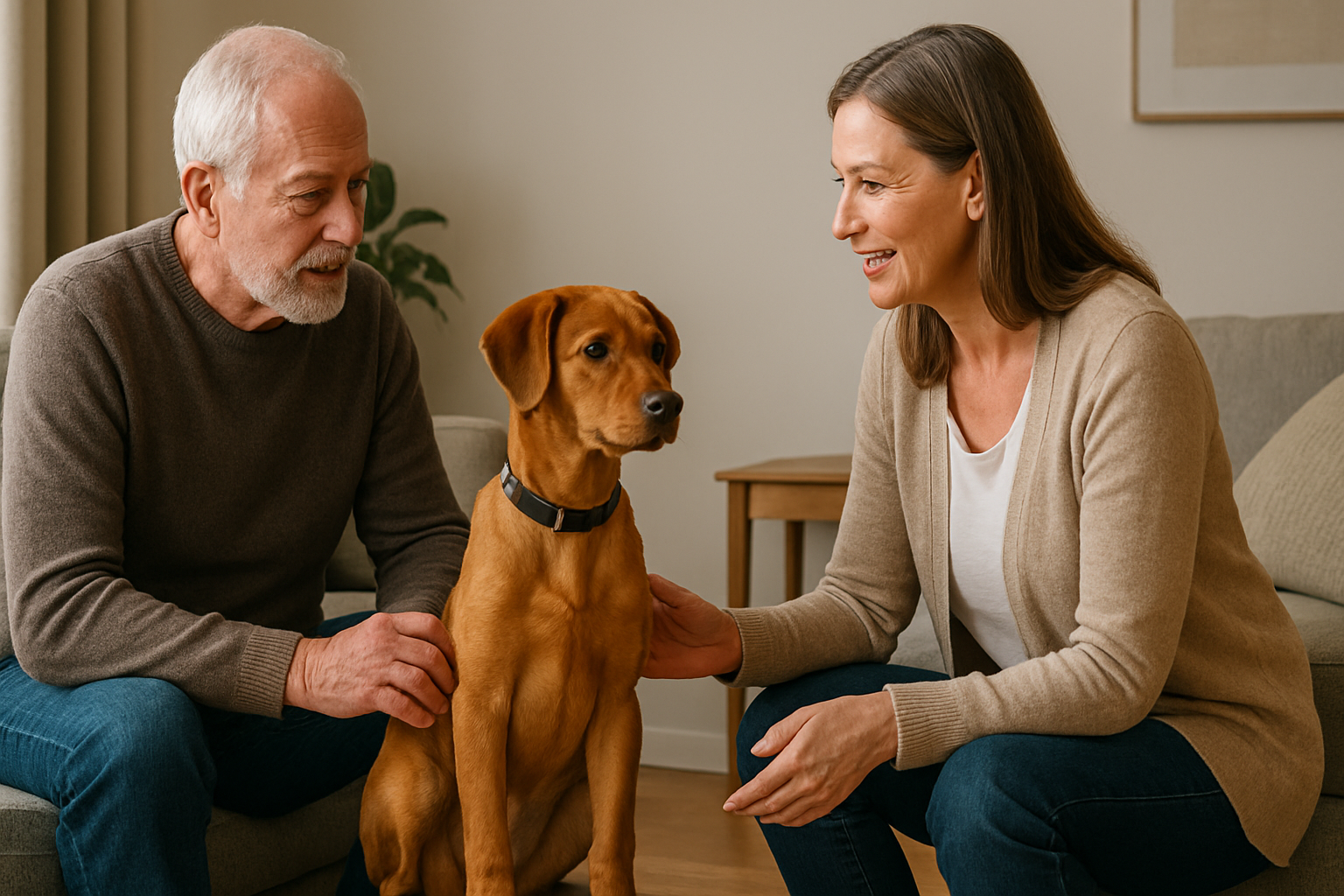
Do’s and Don’ts of Bringing Home a New Dog
Bringing a new dog into your home is an exciting milestone filled with joy, anticipation, and just a touch of nervousness. Whether you’re adopting from a local shelter, rescuing a pup in need, or welcoming a new furry family member from a breeder, the transition is significant for both you and your new pet. This process isn’t just about giving your dog a warm welcome—it’s also about laying the foundation for a happy, healthy relationship.
To make the process smoother for both you and your furry friend, here are the essential do’s and don’ts when introducing a new dog to your home.
Preparing for Your Dog’s Arrival
Do: Get Your Home Ready
Before your dog sets paw in your home, make sure everything they need is ready. Create a cozy and safe space with essentials like a bed, food and water bowls, toys, grooming tools, and a crate if you plan to use one. Remove potential hazards such as electrical cords, small chewable items, or toxic plants. Having these things set up ahead of time helps your dog feel more secure in a new environment.
Don’t: Bring the Dog Home Unprepared
Avoid scrambling to buy supplies after bringing your dog home. A disorganized setup can lead to stress — both for you and your new pet. Preparation helps create a calm, welcoming atmosphere right from the start.
The First Day at Home
Do: Introduce Slowly and Calmly
The first day is all about helping your new dog feel safe and comfortable. When you arrive home, keep everything calm and quiet—skip the big welcoming party. Let your dog take the lead and explore their new surroundings at their own pace. As family members meet your pup, do so one at a time, in a gentle and quiet manner. Stick to a simple routine with basic needs like eating and potty breaks to provide stability during this big transition.
Don’t: Overwhelm with Attention
It’s tempting to shower your new dog with love, but too much excitement can be stressful for them on day one. Hold off on introductions to extended family or friends until your dog has had time to settle in. Give your dog space, let them decompress, and keep attention to a minimum.
Establishing Routines and Boundaries
Do: Set a Consistent Schedule
Dogs thrive on routine, especially when adjusting to a new home. Make mealtimes, walks, and playtime happen at the same times each day—this predictability helps your dog feel secure. Reward good behavior with treats and praise to help them learn what’s expected of them. You can also start gentle training and lay down house rules right from the beginning, so your pup knows their boundaries and can settle in confidently.
Don’t: Be Inconsistent with Rules
Switching up routines or house rules can be confusing for your new dog. Consistency is key! When your dog knows what to expect, it builds trust and makes it easier for them to learn good habits. Set clear rules and stick with them—this will help your dog understand your expectations and adapt happily to their new life.
Introducing the Dog to Other Pets at Home
If you already have other pets at home, bringing in a new dog is a big step for your household. Proper introductions can make all the difference for a peaceful and happy home. To help you navigate these exciting (and sometimes nerve-wracking) first meetings, here are the essential things to keep in mind!
Do’s:
Introduce Pets in Neutral Territory
If possible, start introductions outside your home—like in the yard or on a walk. Meeting in a neutral area helps prevent territorial behavior and allows both pets to remain calm and curious without feeling threatened.
Supervise All Interactions
Always keep a close eye on your pets during their initial meetings. Watch for signs of stress or aggression and be ready to gently separate them if necessary. Supervision helps ensure a safe, positive experience for everyone.
Be Patient and Take It Slow
Give your pets time to get used to each other. Short, controlled meetings work best, gradually increasing their time together as they become more comfortable. Patience pays off—forcing the relationship can lead to anxiety or conflict.
Don’ts:
Leave Pets Alone Together Right Away
No matter how friendly they seem, never leave your new dog unsupervised with existing pets at first. Give them time to build trust and adjust to each other's presence before allowing solo interactions.
Force Direct Interaction
Avoid pushing your pets to interact or play immediately. Let them investigate each other at their own pace, and use leashes or barriers if needed. Forced interaction can result in fear, stress, or even aggression.
Ignore Warning Signs
Watch for signals like growling, raised fur, or hiding. These behaviors can indicate discomfort or fear. If you notice them, separate your pets and try again later, always prioritizing their safety and wellbeing.
Conclusion
Introducing a new dog to your home is both rewarding and challenging. With preparation, patience, and consistency, you can make the transition easier for your new companion. Remember to take things slow, establish routines, and build trust day by day. Every dog deserves a loving home — and with the right approach, your home will soon feel like theirs too.
Popular Products
-
 Classic Oversized Teddy Bear
$23.78 -
 Gem's Ballet Natural Garnet Gemstone ...
$171.56$85.78 -
 Butt Lifting Body Shaper Shorts
$95.56$47.78 -
 Slimming Waist Trainer & Thigh Trimmer
$67.56$33.78 -
 Realistic Fake Poop Prank Toys
$99.56$49.78