How to Stay Injury-Free on the Pickleball Court
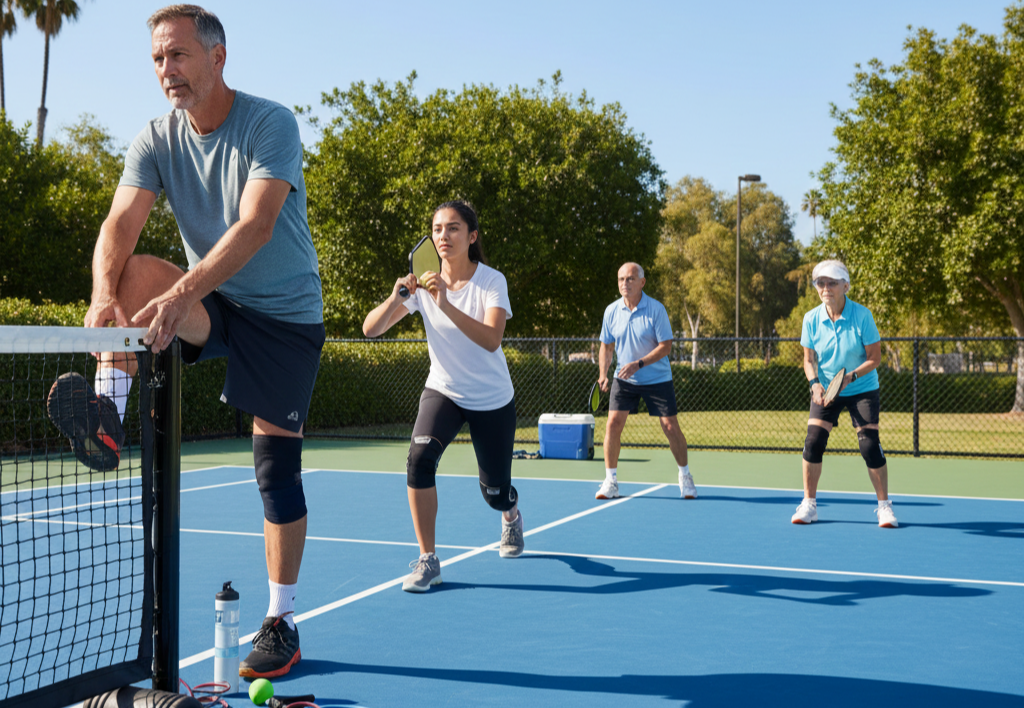
Pickleball tips to stay safe and injury-free
Pickleball has taken the sports world by storm—and for good reason. It’s fun, social, and easy to learn, which makes it especially popular among adults and older players. But with its booming popularity comes a surprising rise in injuries. The good news? Most of these injuries are highly preventable when you take the right steps.
Whether you're a beginner or a regular on the courts, this guide will walk you through simple and effective ways to keep your body safe and injury-free while enjoying the game you love.
Common Pickleball Injuries (and Why They Happen)
Before you can prevent injuries, it helps to know what you’re up against. Pickleball injuries often occur because of quick lateral movements, sudden stops, awkward reaches, or slips on the court.
Some of the most common include:
- Ankle sprains
- Wrist fractures from falls
- Knee strains
- Shoulder or rotator cuff injuries
- Lower back pain
For many adults—especially seniors—reduced flexibility, slower reaction time, and weaker stabilizing muscles can make injuries more likely. But don’t worry: you can counter those risks with good habits and smart preparation.
Warm Up Properly Before You Play
If you tend to jump straight into a game with no warm-up, you’re not alone—but you’re also raising your injury risk. According to experts, a proper warm-up increases blood flow, boosts mobility, and helps your muscles react faster on the court.
Try this simple 5–7-minute dynamic warm-up:
- Light marching in place
- Body-weight squats
- Reverse lunges
- Side lunges
- Hip circles
- Trunk rotations
- Arm circles or “swimmer” strokes
- Hamstring “kickers”
These warm-ups, used by physical therapists and sports doctors, help prep the key areas pickleball relies on—shoulders, hips, legs, and core.
Don’t skip the cool-down
After your match, spend at least 3–5 minutes doing gentle stretches for your calves, hamstrings, quads, and shoulders. It helps your body recover faster and stay limber for the next game.
Wear the Right Shoes & Gear
If you’re using running shoes, it might be time for an upgrade. Running shoes are designed for forward movement—not the quick side-to-side motions that pickleball demands.
1. Look for shoes with:
- Lateral support
- Flat, durable soles
- Non-slip court traction
- Good cushioning
2. Choose a comfortable paddle.
A paddle that’s too heavy or has an incorrect grip size can strain your wrist and elbow.
3. Use Supportive Accessories
If you’ve had previous injuries, braces or compression sleeves can provide extra stability.
Also, pay attention to the court environment: avoid wet surfaces, remove obstacles, and ensure the lighting is adequate so you can see floor hazards.
Build Strength, Balance & Mobility
You don’t need an intense gym routine to stay pickleball-ready—but adding some strength and mobility work can significantly reduce your injury risk.
Focus on:
- Core strength – helps with balance, stability, and quick direction changes
- Hip mobility – reduces strain on your knees and lower back
- Shoulder mobility & strength – essential for safe overhead shots
- Leg strength – especially quads, hamstrings, calves, and glutes
Cross-training activities like walking, swimming, cycling, or light strength training also improve endurance, so you’re less likely to get hurt when fatigue sets in.
Play Smart—Listen to Your Body
One of the biggest causes of pickleball injuries is simply pushing too hard. Playing through pain or fatigue might seem harmless, but it often leads to strains or even long-term issues.
A few smart-play rules to live by:
- Stop if something feels “off”
- Don’t exceed your fitness level
- Take rest days
- Hydrate before, during, and after games
- Avoid chasing impossible shots that require awkward reaches
- Master proper footwork instead of relying on sudden lunges
- Positioning yourself early instead of reaching awkwardly
Remember: pickleball is supposed to be fun. No game is worth a torn tendon.
What to Do If You Get Injured
Even with the best prevention practices, injuries can still happen. Knowing what to do can speed up your recovery.
For mild sprains or strains:
- R.I.C.E. method: Rest, Ice, Compression, Elevation
- Avoid putting weight on painful areas
- Take over-the-counter pain relievers if needed
Seek medical care if you experience:
- Sharp or persistent pain
- Visible swelling or bruising
- Loss of movement
- Feeling or hearing a “pop”
- Difficulty walking or lifting your arm
When you’re cleared to return, ease back in gradually. And consider adjusting your footwork, gear, or warm-up routine to prevent a repeat injury.
Final Thoughts
Pickleball is an absolutely fantastic way for adults to stay active, social, and energized—but staying injury-free requires a bit of intentionality. With proper warm-ups, smart technique, the right gear, and good body awareness, you can enjoy the game comfortably and confidently.
So grab your paddle, lace up your court shoes, and hit the court with these tips in mind. Your body—and your pickleball performance—will thank you.
Popular Products
-
 Classic Oversized Teddy Bear
$23.78 -
 Gem's Ballet Natural Garnet Gemstone ...
$171.56$85.78 -
 Butt Lifting Body Shaper Shorts
$95.56$47.78 -
 Slimming Waist Trainer & Thigh Trimmer
$67.56$33.78 -
 Realistic Fake Poop Prank Toys
$99.56$49.78