How Lighting Can Improve Safety and Mood in Senior Homes
Lighting for Safety and Happiness
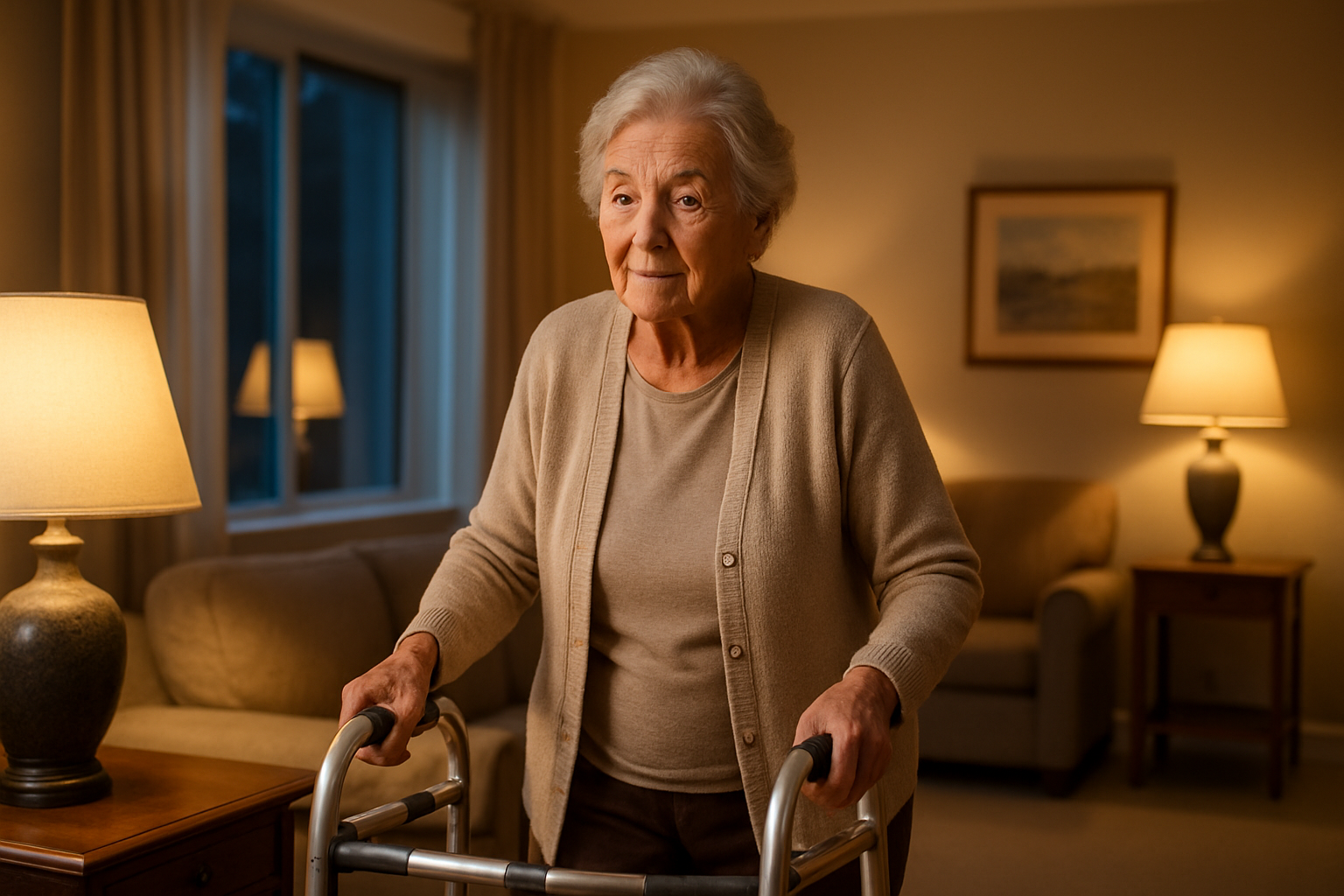
When we think about senior-friendly homes, we often picture grab bars, ramps, and comfortable furniture. But one of the most overlooked elements of a safe and welcoming senior home is lighting. The right lighting doesn’t just make a room look good—it can dramatically improve safety, reduce accidents, and even lift the mood of older adults.
Let’s explore how thoughtful lighting design can make senior homes brighter, safer, and happier places to live.
Understanding the Connection Between Lighting and Senior Well-Being
As we age, our eyes undergo natural changes—pupils shrink, lenses yellow, and it becomes harder to see in dim or uneven light. Seniors may also experience increased sensitivity to glare, making it difficult to move confidently around their homes.
Proper lighting helps compensate for these vision changes. It improves visibility, reduces eye strain, and enhances comfort. But beyond physical sight, lighting also affects emotions and mental well-being.
Bright, natural light can help regulate the body’s circadian rhythm, which influences sleep patterns, mood, and energy levels. Studies show that exposure to daylight or warm, consistent lighting can help reduce symptoms of depression and improve alertness—especially important for seniors who may spend more time indoors.
How Better Lighting Improves Safety
Safety is one of the biggest reasons to prioritize lighting in senior living spaces. Falls are the leading cause of injury among older adults, and many occur simply because of poor lighting conditions. Here’s how better lighting can help:
- Preventing Falls and Accidents: Hallways, staircases, and bathrooms should be well-lit to eliminate dark spots and reduce the risk of tripping.
- Nighttime Navigation: Motion-sensor night lights in bedrooms and bathrooms can guide seniors safely without the need to fumble for switches.
- Reducing Glare and Shadows: Soft, evenly distributed light minimizes harsh contrasts that can make surfaces appear uneven or confusing.
- Emergency Preparedness: Backup lighting or battery-powered lamps ensure that seniors are never left in the dark during power outages.
Lighting That Lifts the Mood
Lighting doesn’t just serve a practical purpose—it has a profound effect on how people feel.
- Natural Light Exposure: Sunlight boosts serotonin levels, which can enhance mood and reduce feelings of isolation. Placing seating areas near windows or using light-filtering curtains can make a big difference.
- Warm vs. Cool Lighting: Warm white light (around 2700K–3000K) creates a cozy, relaxing atmosphere—ideal for living areas and bedrooms. Cooler white light (around 4000K) works best in kitchens or workspaces where clarity and alertness are needed.
- Adaptive Lighting Systems: Smart lighting that automatically adjusts brightness and color temperature throughout the day helps mimic natural daylight patterns, supporting healthy sleep and wake cycles.
- Social Spaces: Bright, inviting lighting in dining and activity areas encourages conversation and engagement—key ingredients to emotional well-being.
Practical Lighting Tips for Senior Homes
Here are a few easy ways to enhance lighting in senior homes without major renovations:
- Use Layered Lighting: By combining different types of light—ambient, task, and accent—you can tailor the lighting to meet a variety of needs throughout the day. Ambient lighting, like ceiling fixtures or wall sconces, sets a soft, overall brightness in the room so everyone can move about safely. Task lighting focuses illumination on specific activities, such as reading, cooking, or working on hobbies, helping prevent eye strain and accidents. Accent lighting, on the other hand, is used to highlight artwork, family photos, or decorative elements, adding a touch of warmth and personality to the space.
- Choose the Right Bulbs: Selecting the right light bulbs is essential to ensuring seniors experience both comfort and safety at home. LED bulbs are an excellent choice because they’re energy-efficient, produce less heat, and maintain consistent brightness over time. When considering which bulbs to use, look for those with a color temperature between 2700K and 4000K. This range closely resembles natural daylight and is gentle on the eyes, providing a welcoming and soothing atmosphere without feeling too harsh or too dim.
- Position Lights Wisely: Proper light placement is just as important as choosing the right bulbs. Make sure that key areas such as entryways, hallways, and bathrooms are evenly lit, with no shadowy corners that could lead to slips or falls. Avoid positioning lights directly in seniors' line of sight, as this can create uncomfortable glare and make it harder to see. Instead, aim for indirect lighting and use shades or diffusers when possible.
- Keep Fixtures Clean: Maintaining clean and functional light fixtures is a simple yet often overlooked step to keep senior environments bright and safe. Dust and dirt can build up on lampshades, bulbs, and covers, significantly reducing the amount of light they emit and making spaces appear duller than they should. Regularly clean all fixtures and promptly replace any dim or burnt-out bulbs.
Modern Lighting Solutions for Senior Living
Today’s technology offers smart, senior-friendly options that blend safety and convenience:
- Motion Sensor Lights: Perfect for hallways and bathrooms—automatically turn on when movement is detected.
- Dimmable LED Systems: Allow seniors to adjust brightness levels easily for different activities and times of day.
- Smart Lighting Controls: With voice commands or simple smartphone apps, lighting can be managed remotely—ideal for caregivers or seniors with mobility challenges.
These innovations not only improve visibility but also empower independence and peace of mind.
Final Thoughts
Lighting is far more than a design detail—it’s a key element of safety, comfort, and happiness in senior homes. The right light can reduce accidents, promote better sleep, and uplift spirits every single day.
If you’re designing or managing a senior living space, take a moment to evaluate your lighting setup. Sometimes, all it takes is a few small changes to make a big difference. After all, a well-lit home isn’t just brighter—it’s a safer, warmer, and more joyful place for older adults to call home.
Popular Products
-
 Classic Oversized Teddy Bear
$23.78 -
 Gem's Ballet Natural Garnet Gemstone ...
$171.56$85.78 -
 Butt Lifting Body Shaper Shorts
$95.56$47.78 -
 Slimming Waist Trainer & Thigh Trimmer
$67.56$33.78 -
 Realistic Fake Poop Prank Toys
$99.56$49.78