Exploring the US: Where Travel Meets Technology
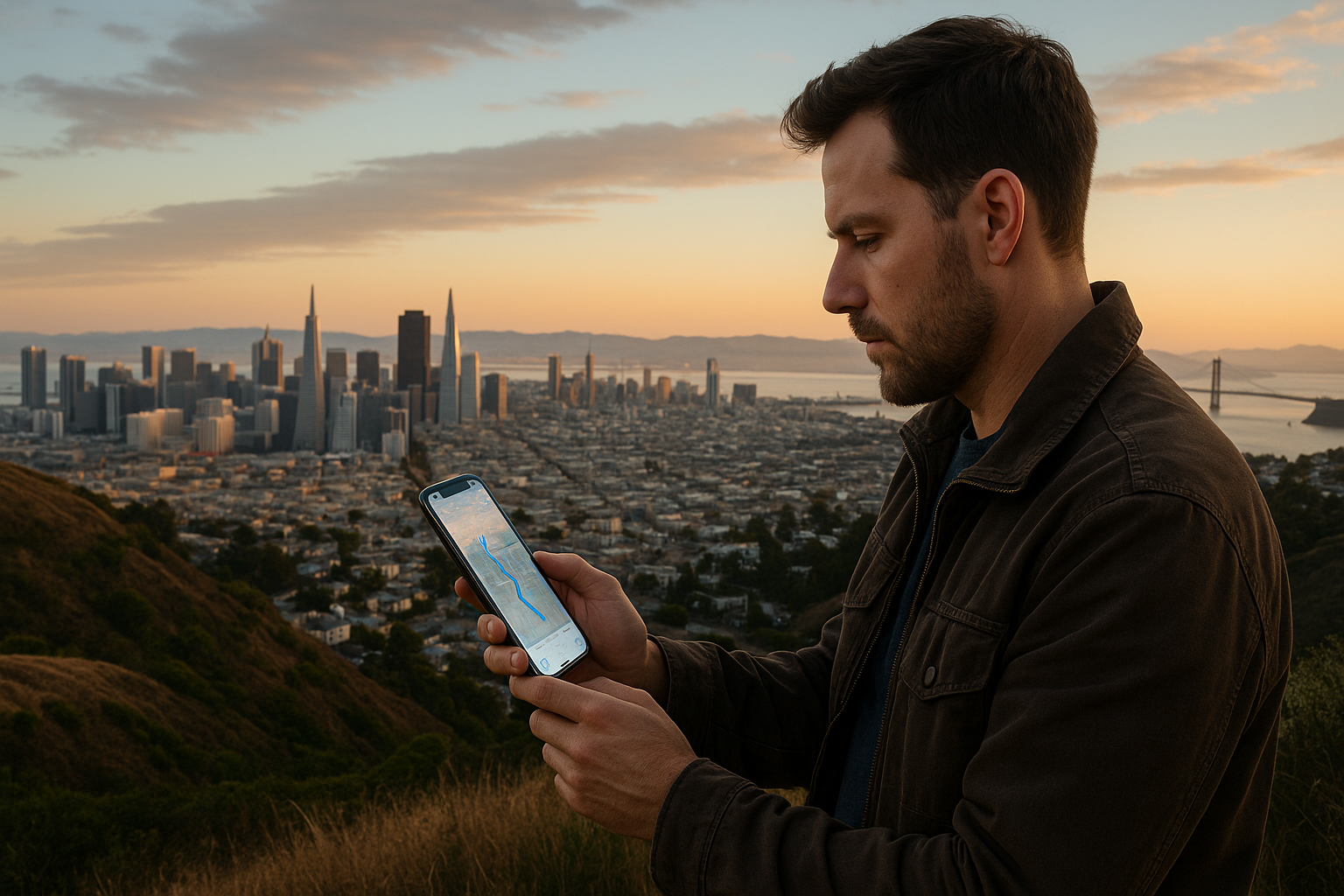
New U.S. adventures meet emerging innovations
The way we explore the world is changing. Across the United States, travelers are discovering fresh ways to experience the country’s culture, landscapes, and history. At the same time, cutting-edge technologies are transforming how we move, connect, and protect the planet.
From scenic train rides along the Gulf Coast to futuristic health breakthroughs, the intersection of travel and technology is redefining what it means to explore. This isn’t just about convenience or speed — it’s about sustainability, creativity, and deeper human connection.
In this article, we’ll explore the best new ways to experience the U.S. and the top emerging technologies reshaping how we live and travel. You’ll also find practical insights on how to make the most of these changes as an informed, responsible traveler.
Part 1: New Ways to See the U.S.
Travel in the U.S. is evolving in exciting directions. National Geographic recently spotlighted a new generation of travel experiences that highlight culture, sustainability, and community. These journeys go beyond sightseeing — they’re about rediscovering the country’s spirit.
Revived and Scenic Routes
The
Southern Gulf Coast Train
After nearly twenty years, Amtrak is bringing back passenger service between
New Orleans, Louisiana, and Mobile, Alabama. This coastal journey combines
stunning views with small-town charm, fresh seafood, and the unique rhythm of
Gulf life. More than a train ride, it’s a revival of a route that connects
culture, community, and coastline.
The Great
American Rail-Trail
Stretching from Washington State to Washington, D.C., the Great American
Rail-Trail is turning abandoned railway lines into a continuous greenway for
cyclists and hikers. It’s not yet complete, but hundreds of miles are already
open — offering a rare opportunity to cross the country on a path powered by
human energy and curiosity.
Journeys of Culture and Heritage
Indigenous-Led
Tours of the Southwest
A growing number of Indigenous guides are leading tours through Zuni Pueblo,
Monument Valley, and Canyon de Chelly. These experiences reveal the deep roots
of Native cultures that have shaped the region for centuries. It’s travel that
honors history while supporting Indigenous communities.
Black
Heritage and Civil Rights Trails
Across the country, travelers can follow the footsteps of Black history. In
Boston, visitors can trace the legacy of Malcolm X. In Atlanta, they can
explore the King Center and civil rights landmarks. Miami’s Overtown district
and similar neighborhoods are reviving their cultural heritage through art,
music, and cuisine. These experiences invite travelers to reflect, learn, and
celebrate resilience.
Culture, Music, and Flavor
The cultural landscape of the U.S. continues to evolve — and so does its flavor.
In Pittsburgh, the POP District pays tribute to Andy Warhol’s creative spirit while embracing digital art and community design. Nashville is expanding its music identity with a surge of female hip-hop artists, giving new energy to a city known for country roots. Santa Fe is blending Indigenous tradition and modern gastronomy through food trucks serving authentic recipes from local chefs.
Even the nation’s food trails are getting an upgrade. Louisiana now features routes highlighting “gas station eats,” where regional favorites shine in unexpected places. And soon, Kansas City will host the world’s first Barbecue Museum, turning America’s favorite comfort food into a celebration of culture and craftsmanship.
Adventures in Nature and Wellness
For those who crave connection with nature, new destinations are redefining outdoor travel.
Adirondack Park in New York continues to attract adventurers with its mix of forested wilderness, mountain lakes, and small-town hospitality. At over six million acres, it’s one of the most extensive protected areas in the continental U.S.
In Alaska, more travelers are choosing land-based journeys that go beyond cruise ports. Exploring glaciers, tundra, and wildlife by road allows for slower, more personal encounters with the state’s vast wilderness.
And in Utah, Outpost X — a futuristic, off-grid wellness resort — combines sci-fi design with sustainable living. Guests can disconnect from the digital world and reconnect with themselves in a setting that feels like another planet.
Part 2: The Top Emerging Technologies Shaping the Future
While travel is evolving, so is the technology that powers our lives. The World Economic Forum recently highlighted ten emerging technologies expected to have a major global impact. These innovations are transforming industries — and some are already influencing travel, energy, and health.
Structural Battery Composites
Imagine a vehicle, drone, or airplane where the body itself functions as a battery. Structural battery composites make this possible by storing energy directly in the material. This could revolutionize electric transportation, making it lighter, more efficient, and less dependent on traditional batteries.
Osmotic Power Systems
By capturing energy from the difference in salt levels between seawater and freshwater, osmotic power provides a clean, renewable source of electricity. It’s particularly promising for coastal areas and river deltas — places where travel infrastructure often meets nature.
Advanced Nuclear Technologies
New nuclear designs — such as small modular reactors — are improving energy safety and flexibility. These systems could power remote locations, small towns, or even eco-lodges without the environmental impact of fossil fuels.
Engineered Living Therapeutics
Scientists are developing microbes and cells that can deliver medicine inside the body. This approach could transform healthcare, allowing for personalized treatment and better management of chronic conditions — especially valuable for travelers and communities far from hospitals.
GLP-1 Drugs for Brain Health
Originally used to treat diabetes and obesity, GLP-1 drugs show potential in protecting against Alzheimer’s and Parkinson’s disease. This discovery represents hope for aging populations and for travelers who want to stay active and healthy later in life.
Autonomous Biochemical Sensing
New sensors can monitor air, water, and biological data automatically. For travelers, this could mean real-time alerts about air quality, hydration, or environmental conditions — helping ensure safety in wilderness or urban areas.
Green Nitrogen Fixation
This breakthrough could revolutionize farming by creating fertilizer without harmful emissions. As it scales, food production could become cleaner and more local, benefiting both travelers and communities around the world.
Nanozymes
These nanomaterials mimic natural enzymes but are more stable and adaptable. They can clean water, destroy pollutants, and support medical testing. Nanozymes could make future travel safer by improving hygiene and sanitation in developing or remote areas.
Collaborative Sensing
Smart cities are becoming reality thanks to sensors that share data on air quality, weather, and infrastructure. Collaborative sensing can also enhance navigation, safety, and environmental protection in tourist hubs and transportation networks.
Generative Watermarking
As artificial intelligence creates more digital content, authenticity is becoming harder to verify. Generative watermarking embeds invisible markers in AI-generated images or videos, allowing users to confirm what’s real. This could be essential for travel marketing, journalism, and education.
Part 3: How Travel and Technology Work Together
When travel and technology align, innovation becomes more than convenience — it becomes transformation. Here’s how the two worlds are merging and what it means for modern explorers.
Safer and Smarter Journeys
Environmental sensors can monitor weather changes, detect air pollutants, and track hydration levels. These tools make travel safer, especially in outdoor and wilderness settings. Combined with AI-driven apps, travelers can make real-time decisions that protect their health and well-being.
Sustainable Travel Choices
Emerging energy technologies like structural battery composites and osmotic power systems are setting the stage for cleaner transportation. Electric trains, buses, and planes could soon become standard for eco-friendly travel.
Hotels and lodges are also embracing sustainability — integrating renewable power, local food sourcing, and smart water systems. Choosing these options supports innovation while reducing carbon footprints.
Authentic Storytelling and Cultural Respect
Generative watermarking and AI tools can help verify images and stories, protecting cultural integrity and reducing misinformation in travel media. Meanwhile, Indigenous and community-led tours continue to bring authentic narratives to life, supported by digital tools that connect travelers directly with local guides.
Wellness and Personalized Health
Health technologies like engineered living therapeutics and wearable sensors allow travelers to monitor their health wherever they go. This empowers older adults or those with chronic conditions to travel more confidently and safely.
Smarter Cities and Destinations
Collaborative sensing networks can make cities more responsive. From managing crowd flow at landmarks to monitoring energy use, these smart systems create smoother travel experiences while helping destinations protect their resources.
Part 4: Practical Tips for Travelers
As innovation reshapes travel, a few simple strategies can help you make the most of it.
- Research Before You Go
- Look for new travel routes, heritage trails, or cultural projects that align with your interests.
- Choose experiences that respect local communities and preserve the environment.
- Pack with Purpose
- Bring lightweight gear and renewable power sources like solar chargers.
- Use smart tools that help track air quality or hydration levels on long trips.
- Support Local and Sustainable Tourism
- Stay in locally owned lodgings or eco-friendly accommodations.
- Dine at restaurants that use regional ingredients and traditional recipes.
- Embrace Health Tech
- Use wearable devices that track vital signs or fitness metrics.
- Stay updated on healthcare apps that make remote check-ins easier.
- Stay Curious and Flexible
- Some new trails, museums, or tours may still be developing. Keep an open mind and a sense of adventure — flexibility often leads to the most rewarding experiences.
Conclusion: A New Era of Exploration
Travel and technology are both evolving — and their paths are now intertwined. The U.S. is offering new ways to explore its heritage, landscapes, and creativity, while science and innovation are giving us tools to explore more responsibly and deeply.
As you plan your next journey:
- Choose experiences that inspire learning and connection.
- Support technology that protects people and the planet.
- Travel with curiosity, awareness, and respect.
Exploration isn’t just about reaching new destinations anymore. It’s about building a future where discovery and sustainability go hand in hand — and where every traveler becomes part of that change.
Popular Products
-
 Classic Oversized Teddy Bear
$23.78 -
 Gem's Ballet Natural Garnet Gemstone ...
$171.56$85.78 -
 Butt Lifting Body Shaper Shorts
$95.56$47.78 -
 Slimming Waist Trainer & Thigh Trimmer
$67.56$33.78 -
 Realistic Fake Poop Prank Toys
$99.56$49.78