A Beginner’s Guide to Pickleball: What You Need to Get Started
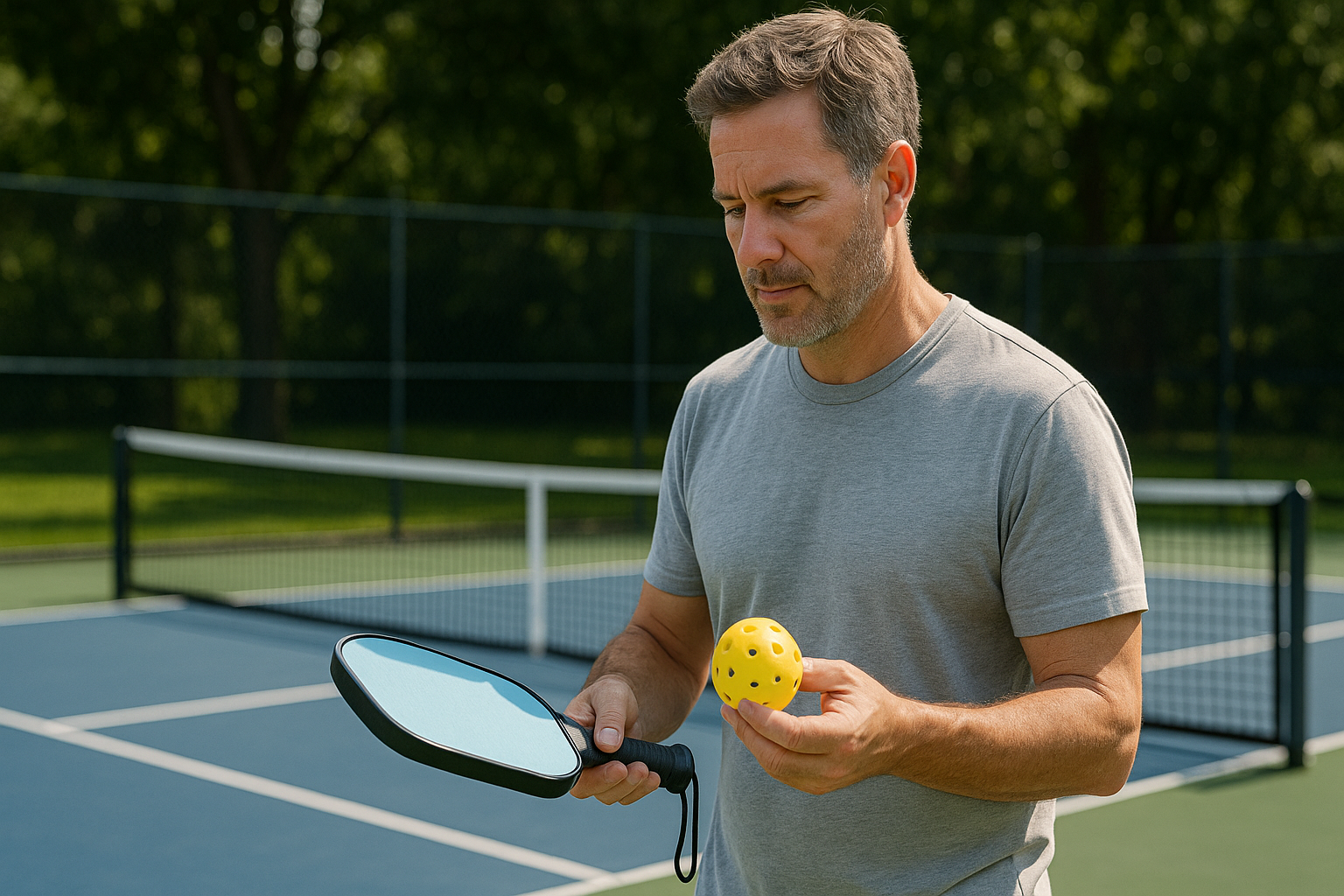
Get started with pickleball basics today
Maybe you’ve already heard about pickleball from friends, family, or your local community center. As more people pick up paddles and head to the court, you might be wondering what you need to join in and how to get started yourself. Whether you’re brand new to sports or looking for something fresh and accessible, taking those first steps can be both exciting and a little uncertain.
This beginner’s guide is here to make things simple. We’ll cover the key equipment, the basic rules, and helpful tips to put you at ease before your first pickleball game. With the right preparation, starting your pickleball journey can be smooth, enjoyable, and welcoming—no prior experience required.
Why Pickle is So Popular?
Pickleball is a dynamic sport that combines elements of tennis, badminton, and table tennis, played on a small court with a paddle and a lightweight ball. One of the main reasons pickleball has become so popular among adults is its simplicity—players can pick up the rules quickly and jump right into a game without needing extensive lessons or prior experience. Minimal equipment is required, making it an accessible and affordable hobby for most people. The game’s low-impact nature is especially appealing, as it’s gentle on the joints and suitable for a wide range of fitness levels and ages. Beyond the physical aspects, pickleball is highly social, encouraging interaction and camaraderie both on and off the court.
Essential Pickleball Gear You’ll Need
Before you step onto the court, it’s important to have the right gear to ensure a comfortable and enjoyable pickleball experience.
1. Paddle
Pickleball paddles are available in different materials, including wood, composite, and graphite. Wooden paddles are the most cost-effective and durable, making them great for beginners, while composite and graphite paddles are lighter and deliver better control and power. The size and weight of the paddle also matter; a properly sized paddle is easier to maneuver and helps prevent fatigue or discomfort during play. Choosing the right paddle ensures a comfortable grip and enhances your overall performance on the court.
2. Ball
There are two main types of pickleball balls: indoor and outdoor. Indoor balls are usually lighter, have larger holes, and are designed for less wind resistance, making them ideal for playing inside gymnasiums. Outdoor balls are heavier, made of harder plastic, and have smaller holes to withstand windy conditions. Using the correct ball for your playing environment ensures a fair and enjoyable game.
3. Footwear
Wearing the right shoes is crucial in pickleball. Court shoes, specifically designed for lateral movement, provide the stability and grip needed on the court, reducing the risk of slips and injuries. Look for footwear with non-marking soles and good ankle support to enhance your mobility and safety during fast-paced rallies.
4. Clothing and Accessories
Comfortable, athletic wear is ideal for pickleball, allowing for easy movement and flexibility. In addition to appropriate clothing, essential accessories include a water bottle to stay hydrated, a hat or visor, and sunglasses to protect against the sun, and a towel to wipe away sweat.
Understanding the Basic Rules of Pickleball
Below are the essential rules you need to know so you can play confidently and enjoy every match.
Serving: Serve the ball underhand and hit it diagonally across the court. The serve must clear the non-volley zone (the “kitchen”) and land in the opposite service court. Only one serve attempt is allowed, except in the case of a let (when the serve hits the net but lands in the right place).
Two-Bounce Rule: After the serve, the ball must bounce once on each side before players can hit it in the air (volley). This means the receiving team must let the serve bounce, and the serving team must let the return bounce before rallying.
Non-Volley Zone (Kitchen): You cannot hit the ball in the air (volley) while standing inside the non-volley zone, which is the 7-foot area on either side of the net. You can step in to hit the ball only if it has bounced first.
Scoring: Points can only be scored by the serving team. Games are usually played to 11 points, and you must win by 2 points. Only the serving side can win a point when the opposing side faults.
Tips for Beginners When Playing Pickleball
If you’re new to pickleball, learning a few key strategies and habits can make a big difference in your game. Here are five helpful tips that will set you up for success and help you enjoy your time on the court.
1. Focus on Control Over Power: Start by aiming for accuracy and consistency rather than hitting the ball as hard as you can. Well-placed shots are much more effective than powerful swings.
2. Use Proper Footwork: Stay light on your feet and be ready to move swiftly in any direction. Good footwork helps you reach the ball and maintain balance during rallies.
3. Communicate With Your Partner: If you’re playing doubles, talk with your teammate to avoid confusion over who’s going for the ball and to cover the court more effectively.
4. Master the Serve and Return: Work on making consistent, legal serves and strong returns. A good serve sets the tone, and a smart return can put your opponent on the defensive.
Start Your Pickleball Adventure Today
Pickleball is an exciting, social, and easy-to-learn sport that anyone can enjoy, no matter your experience level. With the right gear, a grasp of the basic rules, and a few beginner tips, you’re well on your way to playing and improving your skills.
If you’re looking to take the next step, try searching online for local pickleball courts at nearby parks, recreation centers, or gyms. Many communities also have clubs or social groups you can join to find playing partners, meet new friends, and learn from more experienced players.
Popular Products
-
 Classic Oversized Teddy Bear
$23.78 -
 Gem's Ballet Natural Garnet Gemstone ...
$171.56$85.78 -
 Butt Lifting Body Shaper Shorts
$95.56$47.78 -
 Slimming Waist Trainer & Thigh Trimmer
$67.56$33.78 -
 Realistic Fake Poop Prank Toys
$99.56$49.78