Rare Rides Icons: The Cadillac Eldorado, Distinctly Luxurious (part Lxxxvi)
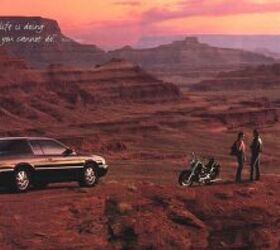
The late Nineties were a rough time at Cadillac. A new DeVille didn’t catch customers like the old one, the large traditional Cadillac Fleetwood was discontinued, and the Eldorado was on life support. The brand’s lone bright spot as far as appeal was the Seville/STS. Today we pick up in 1997 and conclude our Rare Rides Icons coverage of the Cadillac Eldorado. It's the end of a long road.
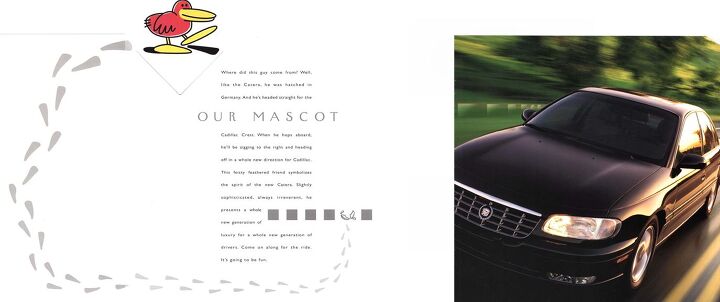
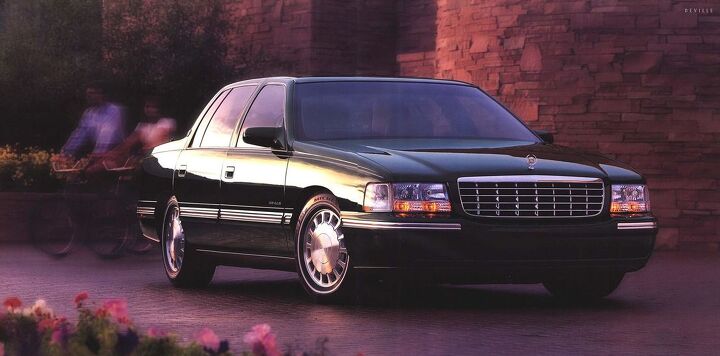
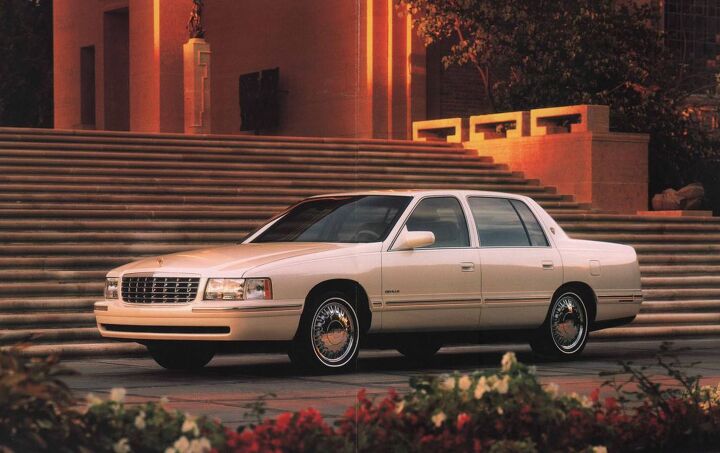
There was an exciting new model at Cadillac of 1997 as the rear-drive Catera debuted. A German-made rebadge job of the Opel Omega, the V-platform midsize sedan was related to the Daewoo Prince and a bunch of Australian Holdens. Introduced with a new duck mascot to make people go quackers, the Catera was part of GM’s continued effort to pin down what European car buyers in America wanted from a Cadillac. The DeVille was facelifted and looked much better without fender skirts, but the Seville and Eldorado were carryovers.
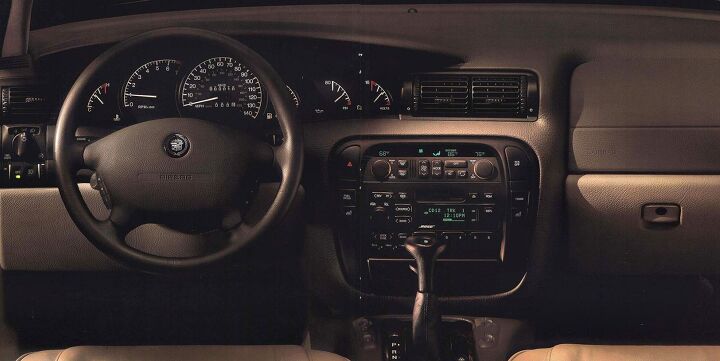
The Catera was the smallest car in Cadillac’s lineup, but didn’t carry a small price. At $32,995 ($67,204 adj.) it was fairly costly, and utilized a 3.0-liter V6 that was very foreign to Cadillac V8 buyers. The first model year Catera managed a respectable 27,087 sales. The refresh of the DeVille didn’t help sales any; figures remained flat at 99,601 cars at a base price of $36,995 ($75,351 adj.).
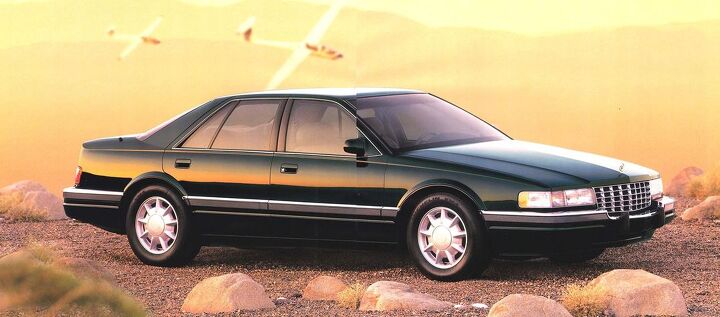
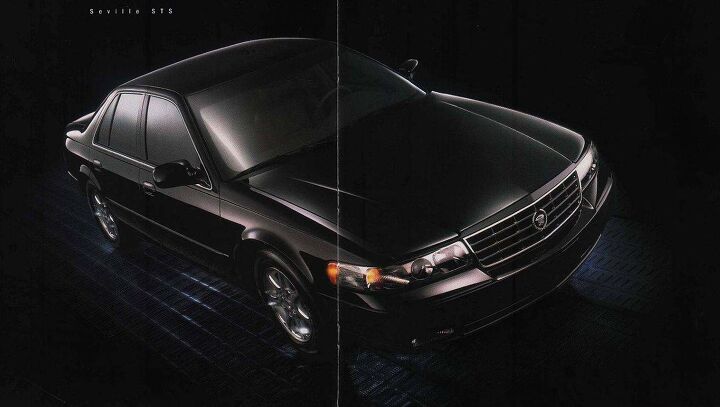
Seville and STS returned for the final time in their fourth-gen guise, and sales remained strong at 42,117 examples. Seville asked $39,995 ($81,461 adj.) that year. The Eldorado managed to keep its sales flat in 1997, and moved 20,609 cars. It was the final year the model managed 20,000-plus units via a lowered base ask of $29,995 ($61,093 adj.). Evidence of the model’s decline, the once-halo coupe was now the entry-level Cadillac based on price.
Total brand sales improved slightly to 189,414 cars in 1997 as the Catera replaced and supplemented volume lost by Fleetwood and Seville remained strong. The big product news in 1998 was an all-new fifth generation Seville and STS. It was the only time a front-drive Seville model lacked an accompanying new Eldorado.
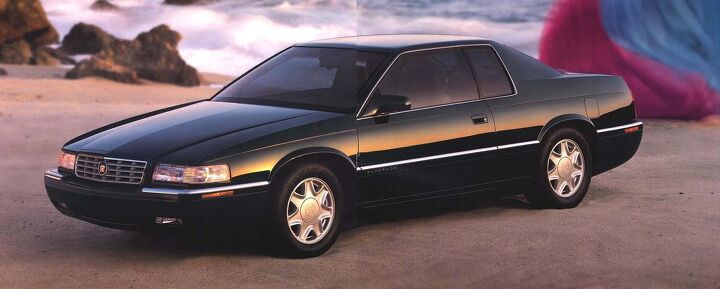
The Catera matched its debut sales in 1998, and contributed another 25,333 cars to Cadillac’s total. 1998 was a strong year for the seventh-gen DeVille, and it had its second highest sales figure that year: 111,030. Despite its new more modern and substantial looks, the Seville and STS saw a sales retraction down to 39,009. The price of a base Seville increased that year to $42,495 ($85,214 adj.).
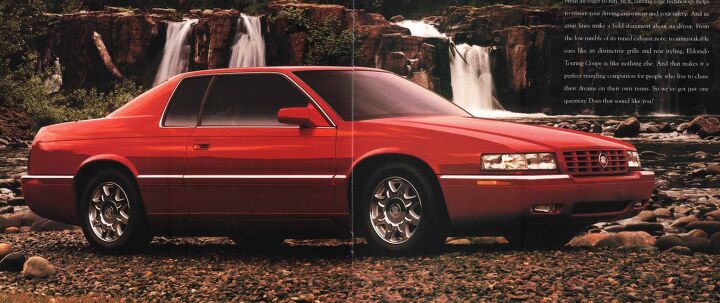
Eldorado’s fall from grace was well underway, with sharply declining sales each year until its cancellation. The initial buyer of 1992 perhaps upgraded to a refreshed version in 1995 or 1996, and then saw no reason to buy another. Sales reached only 15,765 examples in 1998. The base (cloth seats) trim was eliminated, which raised the Eldorado’s base price to $38,495 ($77,193 adj.)
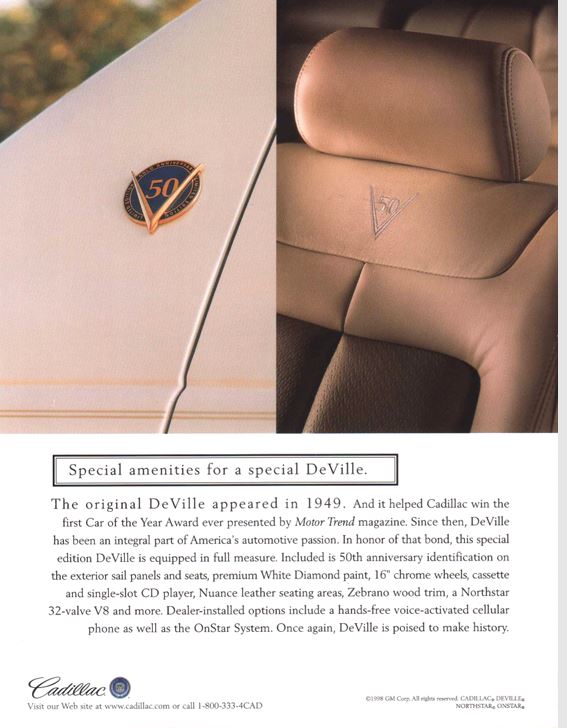
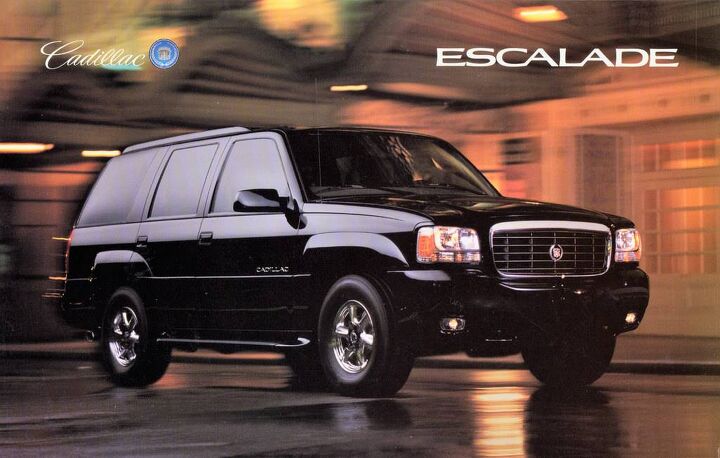
With a total of 191,137 sales in 1998, Cadillac’s fortunes were boosted by the DeVille’s temporary increase in popularity. The following year, the brand introduced a risk when it debuted a vehicle that would change Cadillac’s direction permanently and for the better. Competing with the Lincoln Navigator introduced in 1998 was GM’s belated response: The 1999 Escalade. The only other product news that year was the wind-down of the DeVille, as a new model would arrive for 2000. The company celebrated with a plush DeVille 50th Anniversary Edition, built in an unknown quantity.
Customers of the entry-level Catera had their fill by 1999, and sales decreased to just 15,068 cars. As the DeVille was about to be replaced and showed its age, sales fell to the generation’s all-time low, at 90,755 examples. Seville also suffered another hit to its sales as people turned to other sports sedans, and sold 33,532 times that year.
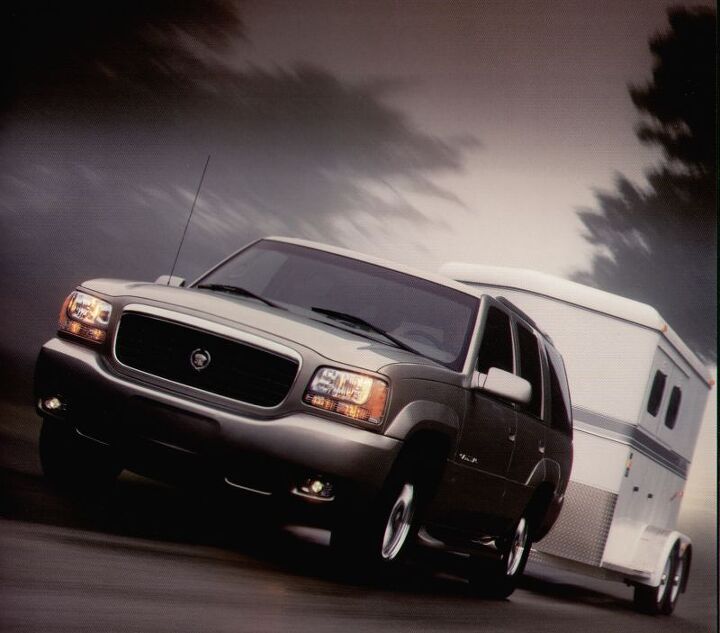
Unsurprisingly the Eldorado which now looked like a lame duck (quack) amongst the rest of the lineup only held its sales steady at 15,255 coupes. In stark contrast was the immediate success of the Escalade, as customers proved they did want a luxury truck with wood and leather. In its first model year Escalade managed 29,089 sales at an ask of $46,225 ($91,171 adj.) and became the brand’s most expensive vehicle.
Though the Escalade boosted total sales to 183,699, the figure was still down given its other models that failed to excite or were near death. In 2000 there was a new DeVille with sporty DTS and luxurious DHS variants to tempt customers, and the GMT-400 Escalade returned for its second and final year.
Catera remained relatively in stasis in 2000, and sold 17,290 examples in its last moderately successful year. Customers showed up for the new DeVille and DTS, and Cadillac sold 105,694. Seville continued to recede in its current generation and sales fell slightly to 29,535. It could be argued the similar but less expensive DTS encroached a bit on Seville and STS sales.
Eldorado entered the new millennium with content few customers wanted, as sales decreased to 13,289 cars. The Escalade maintained the same asking price as in 1999, and sold respectably at 23,346 trucks. Buoyed by the new DeVille, Cadillac’s total sales increased to 183,699 in 2000.
In 2001 the lineup was slimmed again: The Escalade went missing as GM focused its GMT-800 production capacity on volume models. The Catera had run its course by then, and sales fell to 9,764 in what would be its final year on offer. DeVille sales fell off slightly in 2001 to 95,354 sedans, and still made up the bulk of company sales.
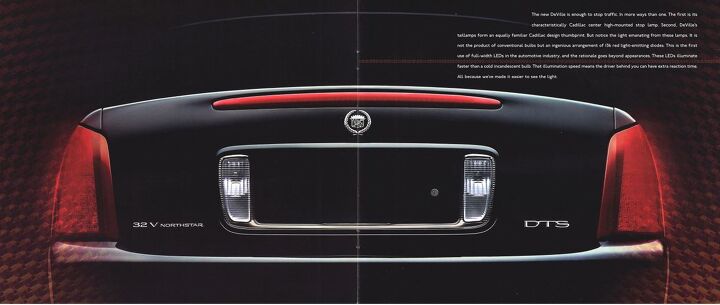
Seville faltered a bit further as the 1998 model showed its age, down to 25,290 cars. Eldorado didn’t contribute much to the bottom line with 9,859 sales. The four-model lineup of 2001 managed only 140,267 sales and Cadillac had its worst year since the early Sixties.
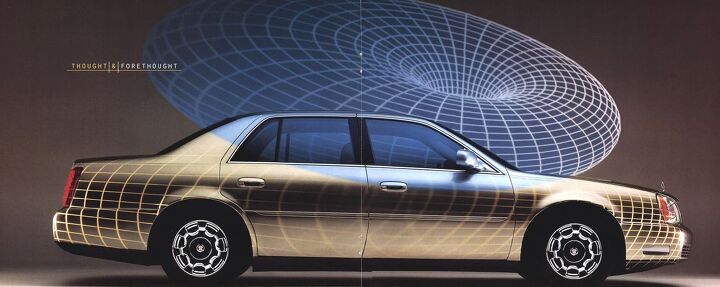
2002 heralded the exit of the Eldorado and the arrival of the vehicle which pulled its former customer base en masse, the second-gen Escalade. Big and brash, it was an immediate hit with suburban parents and rap stars alike. And there was a new vehicle the Cadillac executive of the early Nineties would never have dreamt: a pickup labeled Escalade EXT.
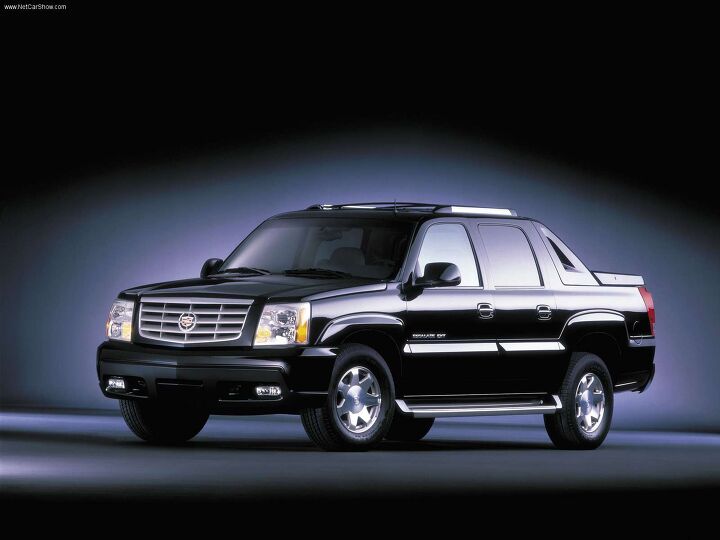
With the Catera eliminated, the entry-level Cadillac was once more the DeVille. Its sales fell considerably to 84,729 cars as customers turned away from the large domestic sedan and toward SUVs. Seville lost even more customers and managed 21,494 sales in 2002. Eldorado went out with a whimper and 5,661 sales. There were 193 that lingered on dealer lots until 2003.
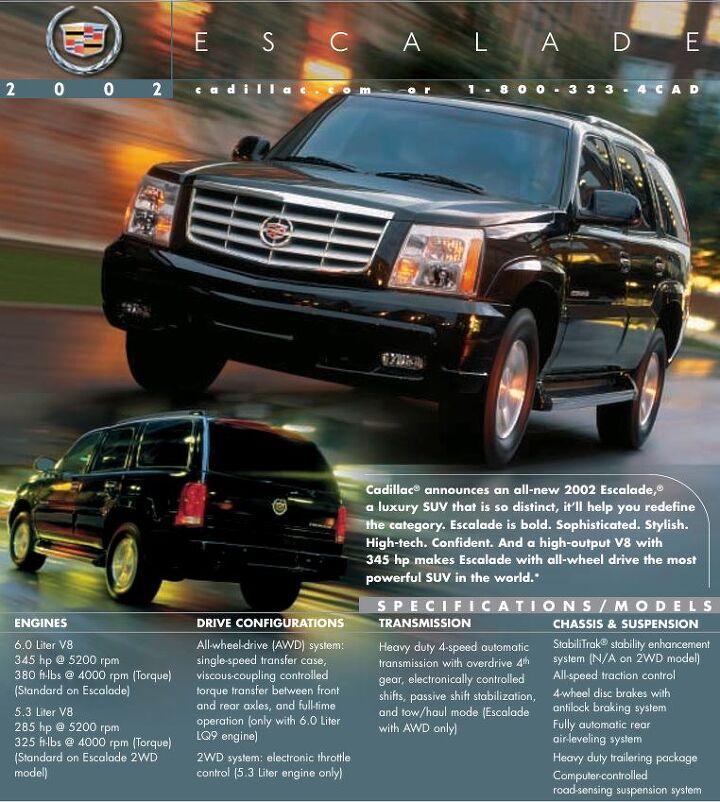
Escalade more than made up for the lackluster Seville and Eldorado, with 36,114 SUV sales in its new guise, along with 13,494 additional EXT pickups. Sales company wide were up to 161,492 as Cadillac began to find its footing again. The Art & Science rear-drive CTS would follow in 2003, then a rear-drive STS, and you know the rest.
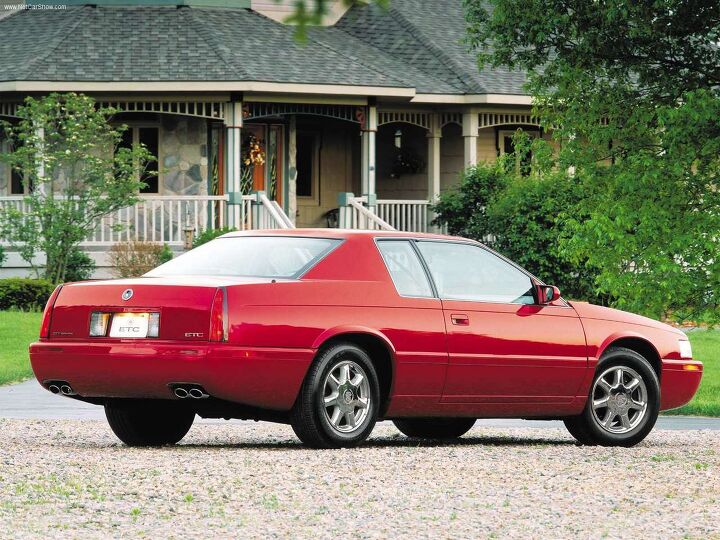
And that wraps up Eldorado coverage. It’s been an easy read at just 86 installments. Believe it or not, this tale began over two years ago. We close the book on fifty years of the Eldorado; may we always fondly remember GM’s most prestigious personal luxury coupe.
[Images: GM/Cadillac]
Become a TTAC insider. the latest news, features, TTAC takes, and everything else that gets to the truth about cars first by subscribing to our newsletter.
Popular Products
No popular products available in this category.