One Of Bmw’s Most Popular Evs Is About To Bite The Dust
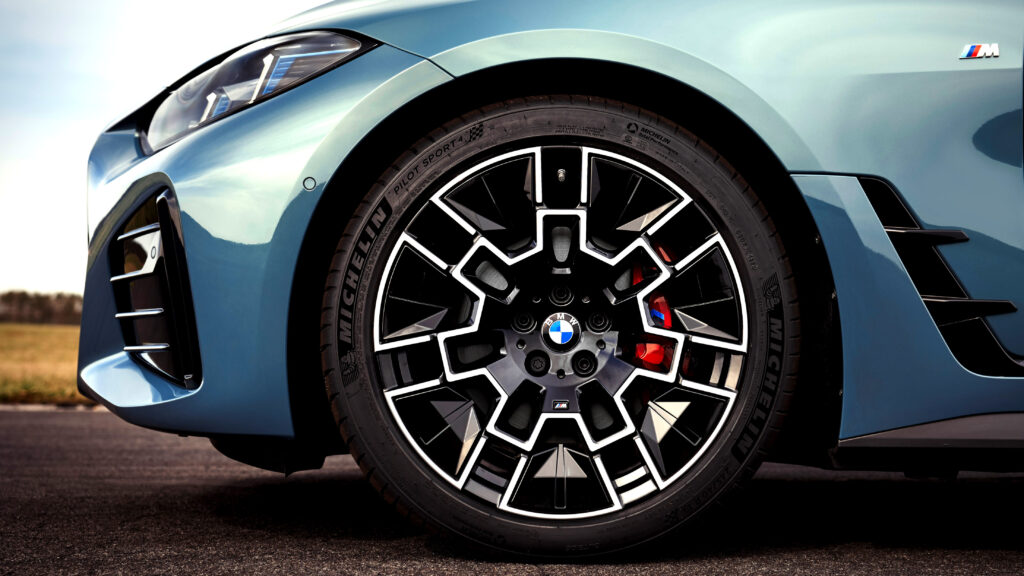
- BMW i4 will reportedly go out of production next year.
- Model will effectively be replaced by the new i3 sedan.
- An i4 coupe is possible in the future, but likely a ways off.
BMW unveiled the updated i4 lineup less than a year ago, but the company is reportedly pulling the plug on the EV. This is hardly surprising as the automaker recently introduced the all-new i3.
While the new car is far more advanced, the i4 was a solid and attractive EV that debuted in 2021. The model was relatively popular and Americans snapped up 23,403 units in 2024. However, that number fell to 20,114 last year as the federal tax credit was phased out.
More: BMW’s Most Traditional Sedan Becomes Its Most Futuristic Yet With New i3
The i4 wasn’t just popular with the green crowd as it was the best-selling BMW M model between 2022 and 2024. In the case of the latest version, the i4 M60 produces up to 593 hp (442 kW / 601 PS) and can accelerate from 0-60 mph (0-96 km/h) in a mere 3.6 seconds. The model also offers up to 278 miles (447 km) of range, although opting for larger 20-inch wheels slashes that distance to a disappointing 232 miles (373 km).
Despite having a lot going for it, Autocar reports the i4 will be going out of production next year. The publication also talked to board member Jochen Goller, who said “When you look back on the last 20 years, you always had new models coming in and old models phasing out, so I think this is part of the history of our industry.”
That said, the i4 might not be gone for long, as some reports have suggested a new 4-Series is in the works and will be offered with gas and electric powertrains.
As for the i3, it’s a big step forward as it has an 800-volt architecture and a 400 kW DC fast charging capability. The i3 50 xDrive also has 463 hp (345 kW / 469 PS) and 476 lb-ft (645 Nm) of torque as well as an expected EPA range of 440 miles (708 km).
Popular Products
No popular products available in this category.