Michelin Rolls Out New X-ice Snow+ Winter Tire
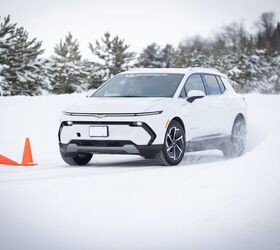
With wide swaths of the nation currently either locked in a deep freezer or perpetually digging out parking spaces after strings of incessant snowstorms, it is appropriate that Michelin is introducing a new winter tire.
It’s called the X-Ice Snow+, a hoop which builds on the success of its similarly named predecessor thanks to improvements in both rubber compound and tread pattern. Remember, it takes advancements both molecular and mechanical in order to produce a winter tire worth its salt - or at least the salt over which it is driving.
First, the compound. That’s the hyper-secret mix of materials plowed into making the rubber of which a tire is composed. Winter tires tend to work best when ambient temperatures are below 45 degrees thanks to a specialty compound designed to remain flexible when the mercury drops to a thermometer’s nether regions. And while Michelin obviously won’t spill all the beans as to what’s in its cauldron for the X-Ice Snow+, they will say it includes silica and carbon black, giving it the marketing moniker of Flex-Ice 3.0 compound. Expect to see that name when ads start later this year.
Engineers also went to work on the tread pattern, an assemblage of tread blocks which does admittedly look similar to this tire’s predecessor, the X-Ice Snow - unless you know where to look. Two types of full depth sipes are actively notched and have variable thickness, allowing the tire to open up extra biting areas when pressed into surfaces such as ice or packed snow. For climes where winter brings an incessant freeze-thaw cycle and plenty of messy roads, those wide transversal grooves between the blocks are designed to resist hydroplaning and evacuate slush.
Data presented by Michelin from third-party testing of the X-Ice Snow+ suggests those features, working with the v-shaped tread pattern, produced meaningful improvements over its predecessor in several measures. Most notably, braking in wet conditions improved by around 14 percent, a distance which could mean the difference between avoiding or hitting the vehicle in front of you. That wet test involved braking from 50 mph to 10 mph in an Audi Q5 with 19-inch tires. The twin scourges of ice and snow are marginally improved while dry braking performance is said to be about 7 percent better, using the same car for testing but this time dry hammering from 60 mph to a dead stop.
All of this points to a tire which excels in the white stuff but won’t handle like a basket of snakes as the calendar flips into April or May and you still haven’t taken yer car’s winter tires off yet. Hey, it happens to the best of us. Helping in that regard is a claimed marked improvement in overall wear, thanks in no small part to innovations in the distribution of force as the tire is hove into acceleration, braking, and cornering duties. Logically, these socks bear the three-peak mountain snowflake symbol but also have a newer ice grip designation.
Compared to the tire this X-Ice Snow+ replaces, there is no suffix to denote usage on an SUV or other heavy vehicle. Instead, Michelin tells us its new tire is appropriate across a range of vehicle types, from cars and hatchbacks to pickups to hybrids and electric vehicles. Sizing will range from 15-inch to mahoosive 23-inch diameters.
Hey, if the weather won’t cooperate, at least you can count on your tires. The Michelin X-Ice Snow+ will be available for retail stock later this year for next winter’s driving season.
[Images: Michelin]
Become a TTAC insider. Get the latest news, features, TTAC takes, and everything else that gets to the truth about cars first by subscribing to our newsletter.
Popular Products
No popular products available in this category.