Lawmaker Demands Action Against Sleepy Tesla Drivers
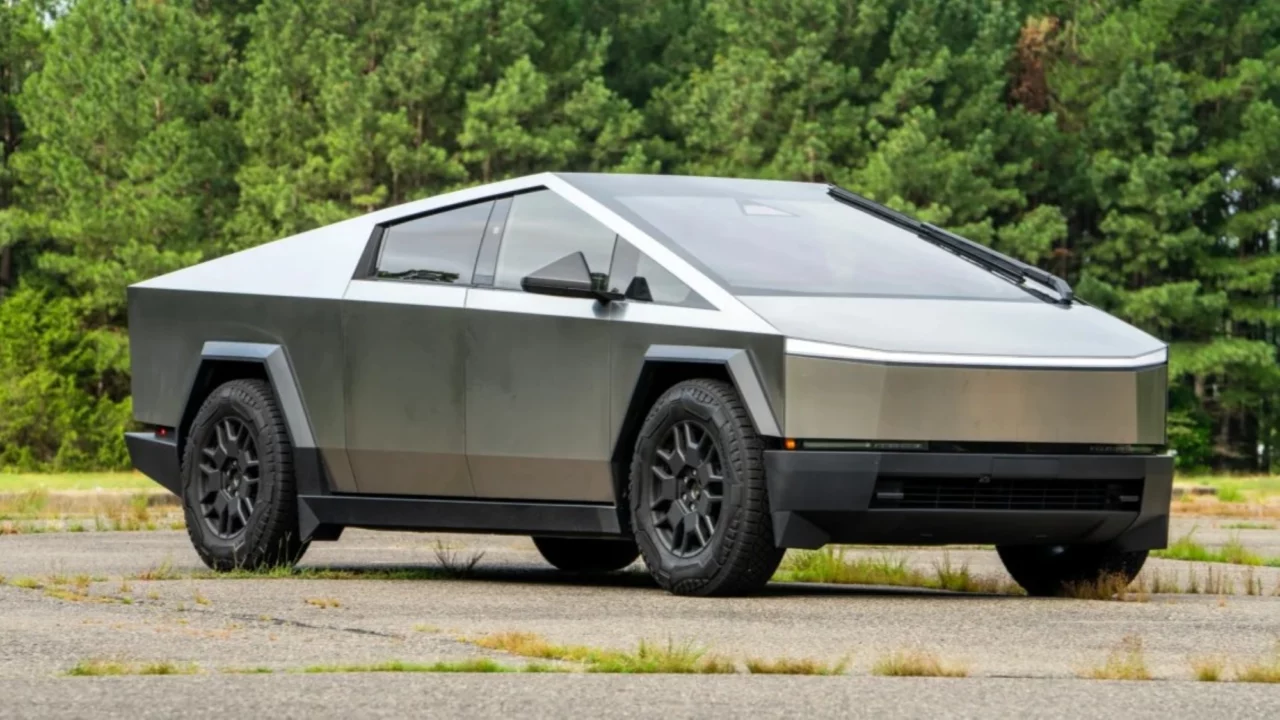
When I can’t sleep, I usually prefer a glass of warm milk, and a peanut butter and banana sandwich microwaved for about 15 seconds. When Tesla drivers can’t sleep, they choose an interstate, hop in the carpool lane, and set Autopilot — at least according to Representative Raja Krishnamoorthi in a letter written to U.S. Transportation Secretary Sean Duffy imploring the National Highway Traffic Safety Administration (NHTSA) to take immediate action on its probe of Tesla’s self-driving systems.
In that letter, the congressman cited an NBC News report that mentioned 43 videos of people asleep at the wheel of their moving Teslas, 17 of which happened so far in 2026. His argument was that NHTSA “must ensure that manufacturers have adequate safeguards to prevent foreseeable misuse and that drivers are not encouraged to place dangerous levels of reliance on systems that still require their full attention.”
He goes on to ask if NHTSA has tested Tesla safeguards in situations where the cabin camera is obstructed, visibility is impaired, or if the driver wearing a hat or sunglasses affects the system.
A support article on Tesla’s website says, “Autopilot and Full Self-Driving Capability are intended for use with a fully attentive driver, who has their hands on the wheel and is prepared to take over at any moment. While these features are designed to become more capable over time, the currently enabled features do not make the vehicle autonomous.”
As someone who makes six-hour drives to California multiple times a year, I can say I have dreamed of being able to set the destination and go to bed while the dreary desert landscape passes by, though I don’t know if I could ever fully buy in like the drivers in these videos. Why? Simply put, other drivers and weather.
I could list statistics, but I’ll just say if you’ve been driving for more than a year, you have at least one story about a bad driver on the road. Heck, here in Arizona, the state government has spent four million dollars on detection systems to help prevent people from driving on the wrong side of the interstate.
Maybe autonomous vehicles are the better way to go, though I don’t know how they account for distracted drivers, sudden vehicle malfunctions, and general stupidity. Even looking at Tesla’s article, most of the active safety features, such as Automatic Emergency Braking, Lane Departure Avoidance, and Obstacle Aware Acceleration, are warnings rather than something autonomous that steps in. Those systems physically alter the automobile’s state of motion, yet there are conditions such as bright lights, poor visibility due to weather, and extreme temperatures that can limit their effectiveness. These systems are currently the subject of a different NHTSA probe that was escalated in March.
Could we debate the positives of negatives of self-driving cars all day? Yes. Could the NHTSA discover something that requires a recall? Absolutely. However, one thing is certain: personal responsibility should rule when behind the wheel. In the cases of these sleeping drivers, it was not the car that put them to sleep — it was the driver making the choice to get or remain behind the wheel while exhausted.
I’ve heard people say, “Common sense isn’t so common anymore,” which would elicit an eye-roll from me in the past because this usually comes from someone older complaining that he or she has to get with the times. In this situation, I agree with the idiom: People shouldn’t blame the car, self-driving or not, for terrible planning on behalf of the driver. It should be common sense to ensure the driver is fully aware, awake, and sober prior to getting behind the wheel.
If you’re tired, don’t get behind the wheel, or stop somewhere to get something to wake you up. Until we get to the day when self-driving cars are the only thing on the road, it’s up to each of us to be vigilant, alert, and awake behind the wheel.
Controversial, I know.
Popular Products
No popular products available in this category.