Fewer Cars Doesn’t Always Mean Fewer Problems (part Ii)
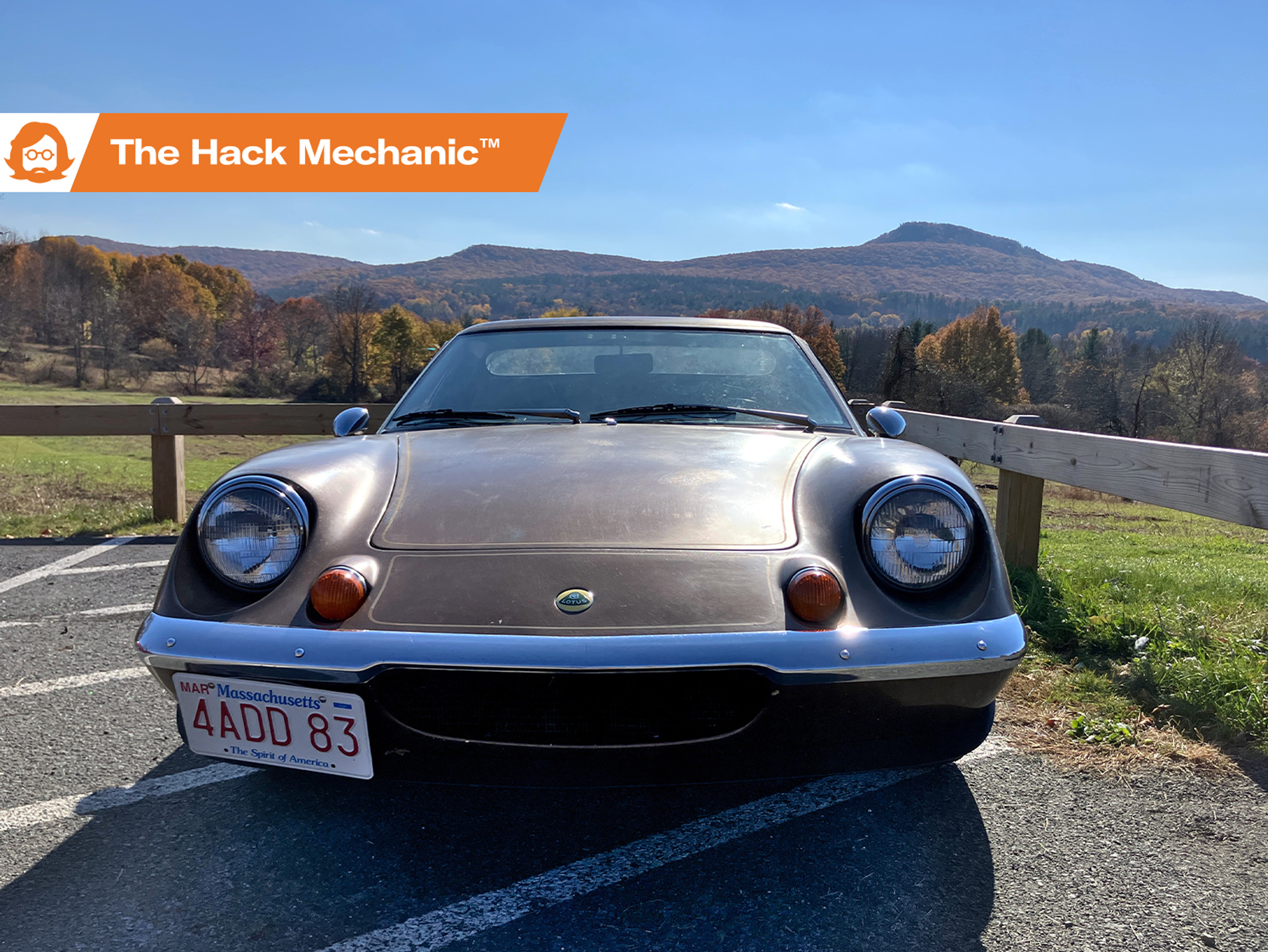
Last week, I talked about going out to the warehouse in Monson, Massachusetts, where I store three cars, finding that all of them had issues, and deciding not to bring my Lotus Europa home because it had a battery issue that would cause problems if I stalled it in traffic. I instead brought my ’72 BMW 2002tii home to troubleshoot its hard-starting problem and clunky suspension. I fixed everything quickly enough that I can put it all into this one article, which is great for you, but bad for me when, next week, I’m scratching for something to write about.
First, the 2002tii’s hard-starting issue. In this piece from several years back, I talked about how the ballast resistor on a vintage car exists to limit the current drawn by the coil during running, but is bypassed during cranking so that full battery voltage can reach the coil’s hot (“15” or “+”) side. This bypassing is managed by a relay. I’ve written countless articles about how relays use voltage applied between terminals 86 and 85 to energize an electromagnet that connects terminals 87 and 30. With the ballast-resistor-bypass circuit, 86 is fed 12V from the ignition cylinder when the key is turned, 85 is ground, 30 is battery voltage, and 87 feeds the coil’s hot side. The tii’s problem was simply a bad ground from 85. I cleaned the screw, and the hard-starting problem went away.
More Auto stories