Boom In Ev Demand Catches Car Makers Off Guard
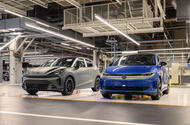
Buyers of the most popular EVs face months-long waits – so did car makers swing too hard back to ICE production?
'We misread the market and we moved too fast.' That oft-repeated mea culpa has driven EV commentary in recent months as all the Tesla-fired predictions made in the early 2020s didn't pan out, prompting expensive rollbacks of EV programmes from the likes of Porsche, Stellantis, Honda, General Motors and Ford.
That was a painful exercise that CEOs won't like to repeat. But like your most contrarian relative, markets today seemingly delight in unpredictability. Messing with the minds of car makers now is the question of whether they have gone too far the other way and under-read EV demand as it grows on the back of the prolonged Iran war.
Reports from Europe, for example, suggest customers for the Volkswagen Group's new small electric cars are facing months of waiting after orders for cars like the Volkswagen ID Polo blew past original estimates.
Underestimating demand isn't quite as expensive as overestimating it, but there is a cost: customers turn to competitors' cars.
Rather than the false momentum for EVs generated by the breathless Tesla fanbase five years ago, there are now signs of real momentum, pushed by petrol and diesel price increases that would have caused political death if driven by tax increases.
EVs' share of new car sales in the UK reached 30% in August. The combined EV and plug-in hybrid share beat that of petrol and diesel cars. The government should now be cautious about watering down its zero-emission vehicle mandate, despite the call from car makers.
Like most listed companies, car makers are inherently short-termist. They see that current profit margins are better for ICE cars than for EVs so ask to sell more of the former.
But really they need that state direction to think more long-term. The more EVs they are forced to build in Europe, the better the economies of scale and the better the long-term certainty. Just look at how much China's car industry benefited from state direction.
Yes, the industry probably needs some carve-out for niche V8s. Yes, UK factories should probably be given some additional time to prepare. And yes, electrifying vans is going to take longer. But equating the interests of shareholders with those of the car industry in the long term would be wrong.
Car makers will survive and ultimately grow stronger. With cars like the Renault 5 and ID Polo, they have proven they can build EVs that customers want.
So let's get EVs fully over the line and argue about something else, like dash screens.
Popular Products
No popular products available in this category.